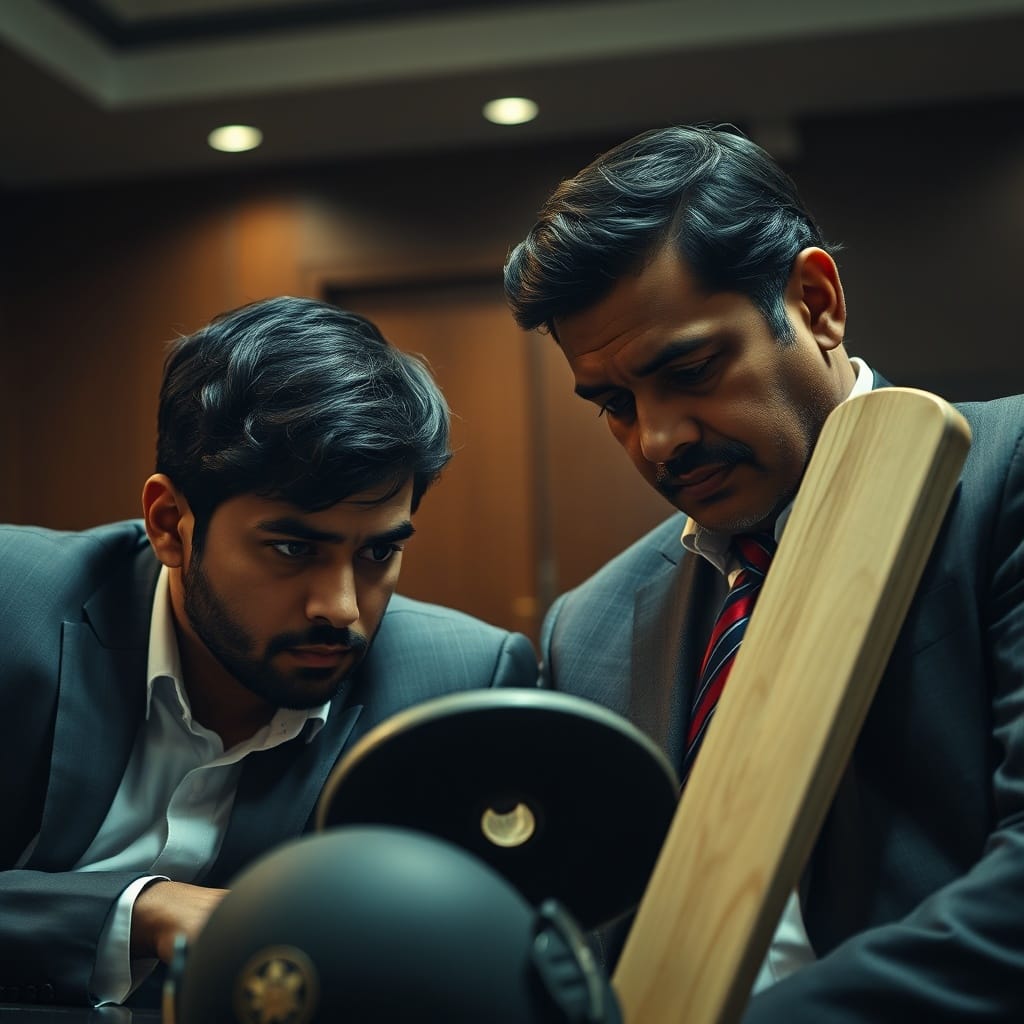
Vaibhav Suryavanshi’s International Debut Dilemma Ahead of India’s T20I Against England
Vaibhav Suryavanshi’s International Debut Dilemma Ahead of India’s T20I Against England
The debate over Vaibhav Suryavanshi’s delayed international debut has taken centre stage as India prepares for the second T20I at Old Trafford. The controversy matters because it pits a teenage phenomenon against a conservative selection philosophy at a crucial juncture of a high‑profile series.
India’s senior side entered England on the back of a World T20 triumph, yet the top‑order showed cracks against England’s disciplined bowling attack. Fans are restless, media outlets are buzzing, and the BCCI has felt compelled to defend its measured approach. This tension sets the scene for a tactical showdown that could reshape the team’s short‑term plans.
The Stats Behind the Strategy
| Player | Recent T20I Avg | Strike Rate | Venue Avg (Old Trafford) |
|---|---|---|---|
| Sanju Samson | 11.2 | 112.5 | 22.8 |
| Ishan Kishan | 8.9 | 105.3 | 20.1 |
| Vaibhav Suryavanshi (IPL) | 38.4* | 237.3* | — |
*Figures derived from the 2026 IPL season, where the 15‑year‑old accumulated 776 runs in 18 innings. The stark contrast between his numbers and those of Samson and Kishan underlines why the waiting room feels too long for a fan‑base that craves fireworks.
Match Context and Tactical Landscape
England’s first T20I at Chester‑le‑Street was washed out, leaving both sides with a single game to gauge each other’s intent. India’s opening pair of Samson and Kishan offered limited impact, each falling for single‑digit scores. The bowlers, led by the swing‑mastering Jofra Archer, exploited the seam movement that Old Trafford promises in early overs.
Gautam Gambhir, who has cultivated a calm but aggressive brand of cricket, now faces a classic dilemma: keep the settled, albeit under‑performing, lineup or inject a high‑risk, high‑reward element. The decision is further complicated by Shreyas Iyer’s role as the middle‑order anchor; he needs a platform that the current openers have failed to provide.
Player Roles, Mindset, and Venue Compatibility
Vaibhav thrives on the red, abrasive surface of the IPL’s Gujarat stadium, where his left‑handed stance and wristy flicks make short‑of‑length balls turn into scoring opportunities. Old Trafford, with its traditionally even bounce and lateral swing, poses a different challenge, yet its history of rewarding audacious starters—think of the 2022 debut of Ruturaj Gaikwad—offers a precedent.
For Samson, the transition from the UAE’s slower tracks to England’s seam‑friendly pitches has been rocky. His natural game thrives on spin and pace that sits up, conditions rare in Manchester. Kishan, meanwhile, relies on improvisation against short balls, a skill that can be lethal when the ball swings early; his recent failures suggest confidence has dipped.
In the dressing room, the teenage prodigy is likely grappling with the weight of expectations. His IPL stats show a mindset of dominating the powerplay, but the step up to international cricket demands patience. The coaching staff, led by Morne Morkel, have been quietly monitoring his technique against seam movement during net sessions, noting that his left‑handed grip gives him a natural advantage against outswingers.
Strategic Options for the Second T20I
Gambhir’s playbook includes three realistic scenarios:
- Persist with Samson and Kishan, trusting that a few overs will allow them to settle and that Iyer can rebuild the innings.
- Promote Iyer to open and slot a more experienced power‑hitter like Hardik Pandya at number three, leaning on experience to stabilize the chase.
- Introduce Vaibhav at number three or even as an opener, sacrificing a senior player for fresh aggression.
The first two options preserve seniority but risk another low‑scoring opening stand. The third grants the team a left‑handed burst that could unsettle England’s new‑ball bowlers, especially if Vaibhav can swing the ball early with his own off‑cut shots.
Tournament Impact and What Comes Next
If the young left‑hander gets his cap and the gamble pays off, India could secure a decisive win that propels them into the series lead, adding momentum before the upcoming World Cup qualifiers. A success would also validate the BCCI’s long‑term vision of grooming talent from a tender age, potentially reshaping the selection narrative for future tours.
On the flip side, a failure could intensify criticism and place the management under a microscope. The BCCI’s public defense, delivered by Rajeev Shukla, signals a willingness to protect the process but also a readiness to act if the scoreboard demands it.
Beyond the series, Vaibhav’s debut could spark a wave of teenage inclusions, echoing the early days of Sachin Tendulkar and more recently, the rapid rise of players like Shubman Gill. The ripple effect may influence franchise strategies in the domestic league, where teams could start scouting for prodigies even younger than 18.
Fan Perspective and Grounded Opinions
The Indian fan base is a mixture of reverence for legends and an appetite for fresh fireworks. Social media timelines overflow with GIFs of Vaibhav’s sixes and memes urging the selectors to “let the kid loose”. Yet seasoned supporters recall the pitfalls of premature exposure; they cite the short‑lived careers of early debutants who never adjusted to the pressure.
In the streets of Patna, where Vaibhav grew up, his neighbors discuss whether his school‑ground dominance can translate to Old Trafford’s historic ambience. The common sentiment is cautious optimism: “If the coaches think he’s ready, we’ll back them,” says one local vendor. This pragmatic view balances the desire for instant impact with respect for the coaching cadre’s judgment.
Whatever the decision, the second T20I will be more than a match; it will be a litmus test of how Indian cricket balances prodigious talent against the demands of high‑stakes international cricket. The outcome will shape not only the series scoreboard but also the narrative around nurturing the next generation of Indian batting marvels.