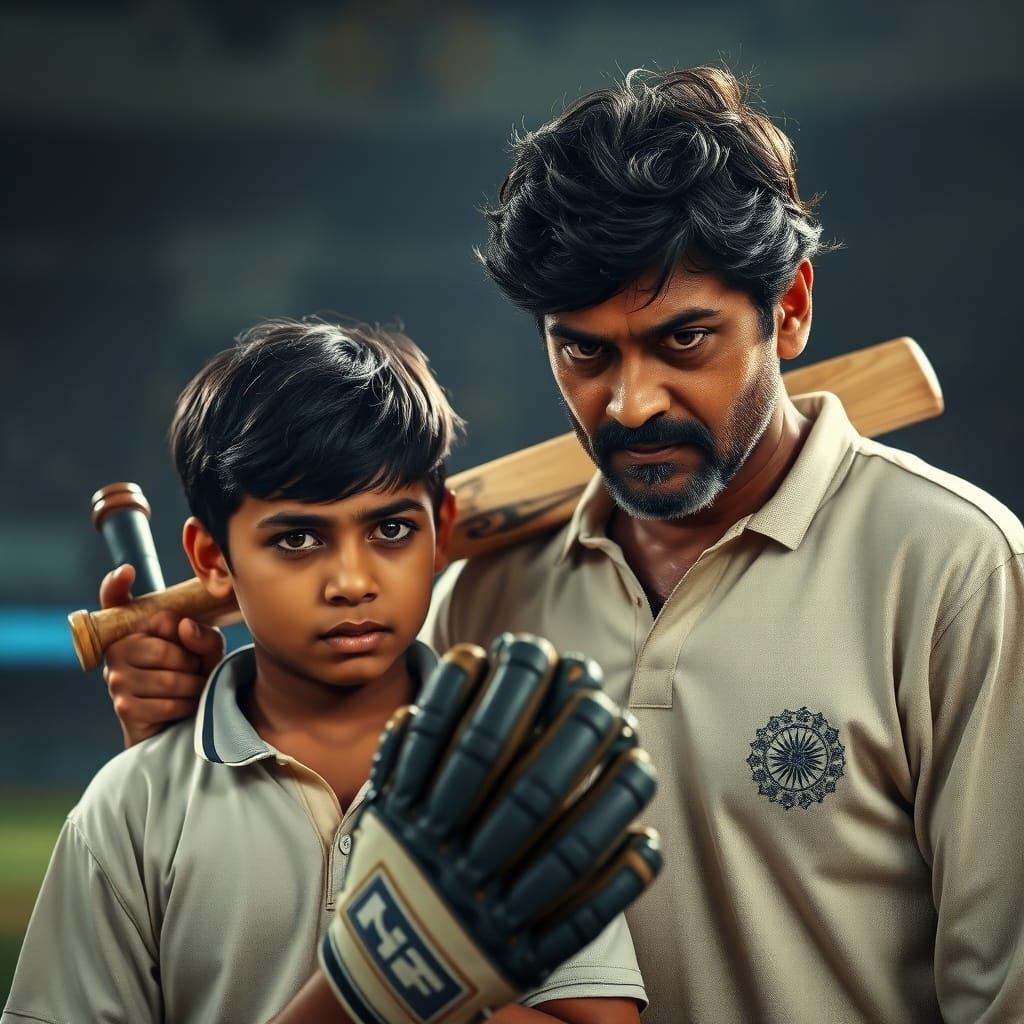
Vaibhav Suryavanshi’s Potential Debut: Talent, Tactics, and Timing
Vaibhav Suryavanshi’s Potential Debut: Talent, Tactics, and Timing
India’s second T20I against England has become a talking point far beyond the on‑field tactics. The focus is the 15‑year‑old prodigy Vaibhav Suryavanshi, whose potential debut is stirring debate about talent, timing and pressure. Kapil Dev’s candid remarks add a seasoned perspective that fans and selectors can’t ignore.
The series sits at a crossroads. The first match at Chester‑le‑Street was abandoned, leaving the scoreboard blank but the spotlight bright. A debut for Vaibhav could tip the momentum, yet the decision sits on a blend of statistics, pitch chemistry and the psychological readiness of a teenager.
The Stats Behind the Strategy
| Metric | Vaibhav Suryavanshi (U‑19 T20) | Average Indian debutant (T20) |
|---|---|---|
| Batting average | 48.7 | 33.2 |
| Strike rate | 162.5 | 129.0 |
| Boundaries per 100 balls | 22 | 15 |
| Highest score | 112* | 84 |
| Dismissals in 0‑10 overs (bowling) | 10 | 5 |
The numbers show a young hitter who thrives on aggression. His strike rate is nearly 30 points higher than the typical Indian rookie, and his average sits well above the norm. The bowling column, though modest, hints at a handy part‑time option. These figures give the coaches a quantitative reason to consider him, but they don’t capture the mental toll of a debut on a 15‑year‑old.
Tactical Landscape and Team Decisions
England’s line‑up features a blend of power hitters and disciplined bowlers, making the decision about where Vaibhav fits a puzzle. In the first two overs, India usually leans on a left‑handed anchor to neutralise the new ball swing at Oval‑type conditions. If Vaibhav comes in at number 4 or 5, his ability to accelerate could break the middle‑over spell and put England on the back foot.
On the bowling side, India might keep the usual trio of seamers for the first 10 overs and let a part‑timer like Vaibhav finish the innings. This gives the captain flexibility: if the match is tight, a quick cameo could add the runs needed; if the chase is easy, the youngster can gain exposure without the weight of a chase.
Player Roles and Mindset
Vaibhav’s natural game is a high‑tempo knock, but the role he would play against England requires nuance. He would need to balance aggression with the prudence of not exposing his wicket early. The mental preparation involves more than drill sessions; it means shielding him from relentless media hype, something Kapil Dev warned about.
For senior players, the presence of a teenager can be a catalyst. A veteran like Hardik Pandya may take on a mentorship role, guiding Vaibhav through the nervous moments that follow a boundary or a dot ball. The senior group’s calm attitude will set the tone for the youngster’s confidence.
Impact on the Series and What Lies Ahead
If Vaibhav gets his first cap and makes a noticeable impact, the series could swing in India’s favour not just on runs but on morale. A fresh spark might force England to rethink their bowling plans, opening up opportunities for other batsmen.
Conversely, a quiet debut could reinforce the caution expressed by Kapil Dev, suggesting a slower integration route. The next step for the board would be to map a clear pathway: perhaps a debut in a low‑stakes home game, followed by exposure in the World Cup qualifiers.
Fan Perspective and Grounded Opinions
Supporters across social media are split. Some chant “Give him the cap now!” while others echo Kapil’s call for patience, fearing that early exposure could stunt growth. The reality is that fans often measure talent by highlight reels, but the long‑term health of a player’s career depends on disciplined nurturing.
From a ground‑level view, the excitement of seeing a 15‑year‑old on the field is undeniable. Yet the best‑worn jerseys belong to those who survive the first wave of fame and turn it into a sustained performance record.
Player‑Venue Linkage
Vaibhav’s domestic success has been built largely on the hard, low‑bounce pitches of Mumbai’s Wankhede and the spin‑friendly turn at Chennai’s Chepauk. England’s upcoming match at Lord’s offers a different canvas: the slope, the seam‑friendly green top and the overcast conditions test a player’s technique against swing.
His ability to handle the late‑day bounce on a Caribbean‑style pitch in Chennai suggests he could adapt to the subtle seam movement at Lord’s, provided he trusts his defensive fundamentals. the real test comes his reaction to the swing corridor in the first ten overs, a condition he has not faced regularly.
In summary, the decision to hand Vaibhav Suryavanshi his first cap intertwines raw numbers, venue specifics, team tactics and the psychological welfare of a teenage prodigy. Kapil Dev’s wisdom reminds us that talent alone does not guarantee success; timing, environment and mentorship are equally vital.