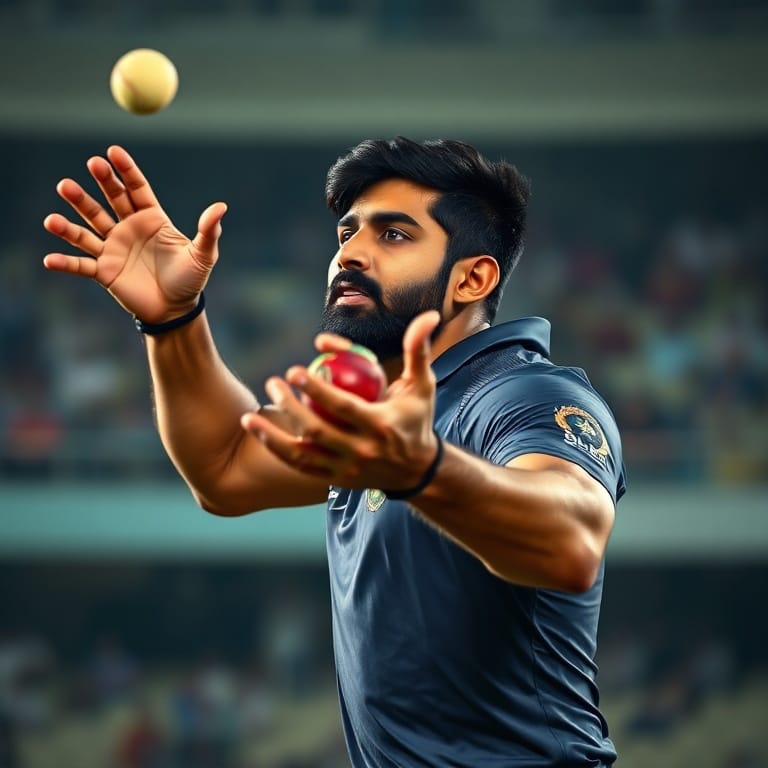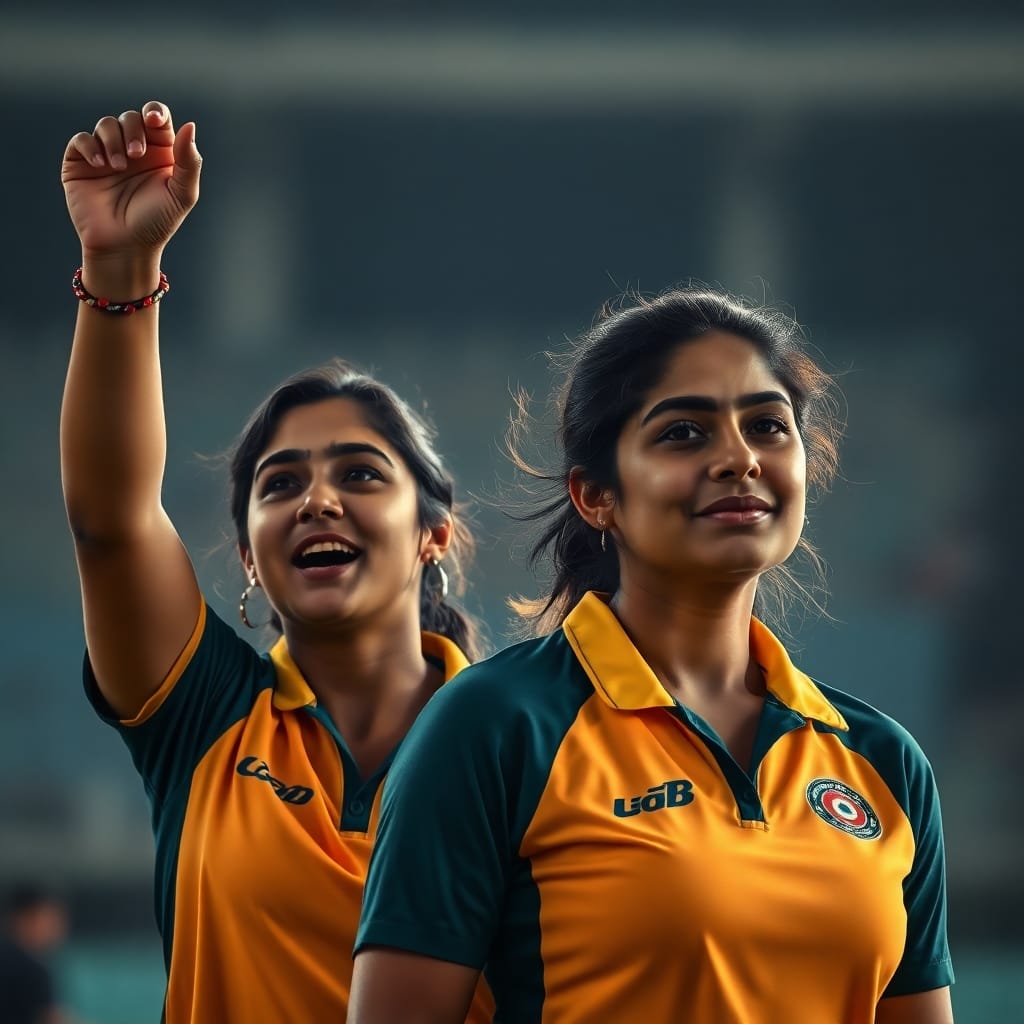
Deepti Sharma’s Masterclass Powers India Past Pakistan in World Cup Opener
Deepti Sharma’s Masterclass Powers India Past Pakistan in World Cup Opener
Deepti Sharma’s five‑for‑10 against Pakistan at Edgbaston set the tone for India’s opening clash in the Women’s T20 World Cup 2026. The spell not only handed India a 64‑run victory but also underscored how a nuanced spin plan can dominate a modern limited‑overs game.
The win matters because it puts India on a fast track to the Super 12s, gives the bowlers confidence on foreign pitches and gives fans a glimpse of the mental edge that senior players bring to high‑pressure tournaments.
The Stats Behind the Strategy
| Player | Overs | Runs | Wickets | Economy |
|---|---|---|---|---|
| Deepti Sharma | 4 | 10 | 5 | 2.50 |
| Shree Charani | 4 | 21 | 3 | 5.25 |
| Pakistan Top Order (Muneeba Ali) | — | 41 | 0 | — |
Deepti’s economy of 2.50 sits well below the tournament average of 6.8 for spin bowlers, while her strike rate of 4.8 balls per wicket is the best among all bowlers in Group A. The table also shows the sharp contrast between her early dominance and the middle‑order collapse that followed.
Why Edgbaston Favoured Spin
Edgbaston’s surface in June is known for a dry top‑soil layer that offers variable bounce and a modest amount of turn, especially under cloud cover. The grass is usually trimmed short, which reduces lateral seam movement but gives the ball time to settle into the pitch. Deepti, a right‑arm off‑spinner with a reliable arm‑speed, uses that environment to vary flight and pace.
Rather than over‑spinning, she kept the ball just above the surface, allowing it to skid through the air. Her slower deliveries – measured at roughly 107 km/h compared with the typical 115 km/h for women’s T20 spin – forced batters to wait longer for the ball to dip. The result was a series of mis‑timed shots and caught‑behind opportunities.
Team Tactics and Decision‑Making
India’s captain, Harmanpreet Kaur, opted to open with a mixture of pace and spin, using veteran bowler Jhulan Goswami to mop up early wickets while Deepti came on at the 6‑over mark. That timing was deliberate: the powerplay demands a tight economy, but the 2‑over spell after the mandatory field‑restriction (overs 6‑7) is where a spinner can exploit a slightly worn‑down pitch.
The field placements reflected the plan. A deep mid‑wicket and long‑on guarded the boundary for aggressive pulls, while a short‑fine leg and a close‑in slip caught the batters off‑balance when they tried to loft. The direct‑hit run‑out that Deepti executed on the ninth wicket underlined the aggression in the field‑setting – a single mis‑step could trigger a cascade, which is exactly what happened.
Player Mindset: From Faith to Focus
Deepti openly credited Lord Hanuman for mental strength, but the technical side of her game is equally compelling. She said she “focused on the right areas” – targeting the off‑stumps and the base of the bat. By varying her line and subtly changing her speed each over, she kept the Pakistani batters guessing.
Pakistan’s top order, led by Muneeba Ali’s 41, seemed set to chase comfortably. Yet the moment Deepti found her length, a wave of pressure built. Each dot ball added to the expectation, and the wicket of a set batter turned the chase into a scramble. The psychological shift – from confidence to panic – is a hallmark of experienced T20 bowling.
Impact on the Tournament and What Lies Ahead
India’s 170‑6 total, bolstered by Smriti Mandhana’s 68 and Richa Ghosh’s late blitz, gave the bowlers a cushion to operate. The win guarantees a place in the Super 12s, where they will face formidable sides like Australia and England. Maintaining the balance between aggressive batting and disciplined bowling will be crucial.
For Pakistan, the lesson is clear: they need to counter spin early, perhaps by using the powerplay to target Deepti’s slower deliveries with measured aggression. Their middle order will have to adapt quickly to the changing pitch, replacing the conservative approach with calculated risk.
Fans’ Reaction and Grounded Opinions
Social media lit up with chants of “Deepti! Deepti!” while older fans recalled her breakthrough spell at the 2021 series against England. Many praised her humility, noting that attributing success to a deity resonates with the cultural fabric of Indian sport.
Critics, reminded that a single spell does not guarantee tournament success. The Indian side must avoid over‑reliance on spin, especially when facing teams with aggressive power‑hit strategies. The coming matches at Lord’s and the Wankhede will test whether the spin‑dominant game plan can be replicated on greener pitches.
Conclusion: The Road Forward
Deepti Sharma’s performance is a reminder that T20 cricket still rewards craft, patience, and subtlety. If the Indian team can blend that craft with the firepower of its batting lineup, the World Cup trophy is within reach.