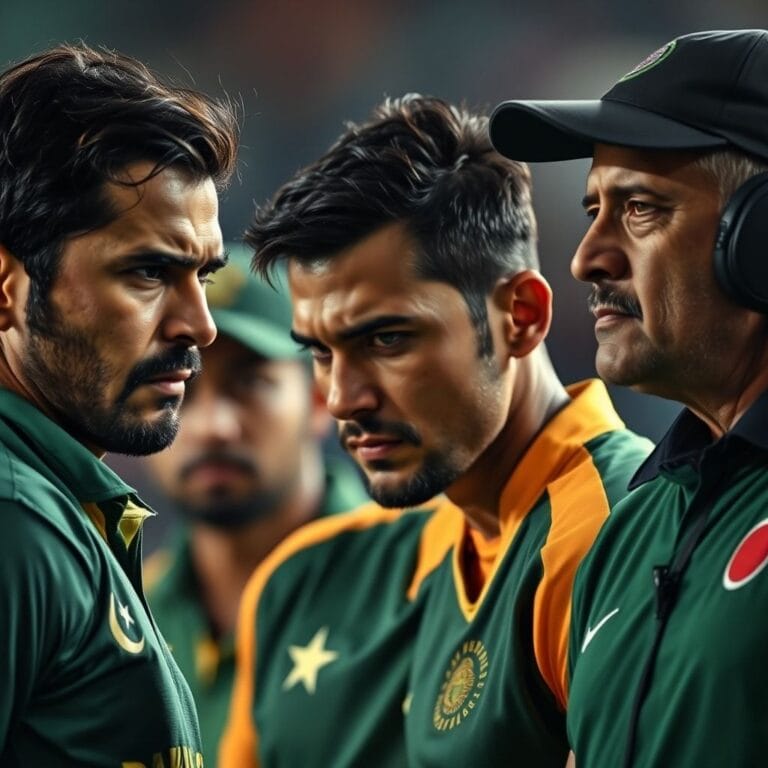
Prasidh Krishna’s Pace Mastery in Chennai: A Tactical Breakdown
Prasidh Krishna’s Pace Mastery in Chennai: A Tactical Breakdown
India’s third ODI against Afghanistan in Chennai turned into a textbook case of how raw pace can dominate a venue traditionally reserved for spin. Prasidh Krishna’s opening burst not only swung the match in India’s favour but also rewrote the play‑book for using sheer speed on a sticky surface.
The Stats Behind the Strategy
| Bowler | Opponent | Powerplay Figures | Runs Conceded | Overs Bowled |
|---|---|---|---|---|
| Mohammed Siraj | Sri Lanka | 5/7 | 7 | 5 |
| Prasidh Krishna | Afghanistan | 4/6 | 6 | 3.2 |
| Bhuvneshwar Kumar | Sri Lanka | 4/7 | 7 | 5 |
| Jasprit Bumrah | England | 4/9 | 9 | 5 |
| Mohammed Siraj | Sri Lanka | 4/17 | 17 | 5 |
Krishna’s 3.2 overs, 2 maidens, 4 wickets for 6 runs translates to an economy of 1.78 – the sharpest powerplay spell by an Indian fast bowler since 2002. The strike rate of 5.4 balls per wicket places him alongside Siraj’s 5‑wicket burst against Sri Lanka, while his average of 1.5 runs per wicket shaves a point off the historic best.
Tactical Blueprint and On‑field Decisions
Going into the match, India’s captain Rohit Sharma elected a surprise opening pair – a left‑arm swing bowler and the towering right‑arm seamer Prasidh Krishna. The plan was to exploit the early moisture on the Chennai deck, a condition that tends to grip the newer ball and produce lateral movement. Krishna’s workloads were deliberately kept short, with a three‑over spell designed to maximize speed before the ball lost its shine.
Rohit’s field placement was an old‑school nod to slip catching. He stationed three close catchers – first slip, second slip, and short leg – anticipating outswing on the off‑side. The decision paid immediate dividends: each of the first three Afghan dismissals was a clean edge to Rohit at first slip.
Player Roles, Mindset and Venue Interaction
Krishna’s strength lies in his ability to generate bounce on hard, dry wickets. Chennai’s pitch, though known for turning, contains a compact core that rewards a bowler who can extract extra pace. The fast‑bowling team used that to their advantage, delivering a ball that landed just short of a good length before swinging late. For Gurbaz, a technically sound opener accustomed to playing on slower surfaces, the surprise bounce forced a hurried drive, resulting in a thick edge.
Afghanistan’s middle order, led by Rahmat Shah, tried to counter with flicks and drives, but Krishna’s seam position kept the ball skidding low. The subtle seam‑drift paired with a reverse‑swing cue at 140 km/h left Shah with a looping edge, again snared by Rohit’s reflexes. Ibrahim Zadran, known for his aggressive cover‑driven style, faced a fuller length that “kissed” the seam and turned away just enough to produce a glancing edge.
The synergy between bowler and captain was evident. Rohit’s quick adjustment to position the slips tighter after the first wicket showed his reading of the pitch. He also stayed on the field for the entire opening spell, offering encouragement and tactical nudges that kept Krishna’s line disciplined.
Impact on the Series and What Lies Ahead
India now leads the three‑match series 2‑0, needing just one more win to clinch it. The psychological blow dealt to Afghanistan’s top order cannot be overstated; they have lost three key wickets for under ten runs each. In the upcoming fourth ODI, scheduled in Surat, the Afghan side will likely look to bat deeper, perhaps promoting a hard‑hitting middle‑order player up the order to absorb the early onslaught.
For India, the victory cements Krishna’s position as a frontline option for both ODIs and upcoming T20 World Cup matches. Rohit’s confidence in using fast bowlers on traditional spin tracks may influence team selection for the remaining series against Australia later this year, where the pitches will favor pace.
Fan Pulse and Grounded Opinions
Social media lit up with snapshots of Rohit’s slip catches, many fans dubbing the trio of dismissals a “slip‑storm”. In the chat rooms, supporters praised the captain’s decision to gamble on a fast bowler’s aggression, noting that the move broke the stereotype of Indian teams relying solely on spinners in Chennai.
critics argued that Krishna’s spell, while spectacular, was too short to be a sustainable strategy. Some fans suggested that a longer spell could risk fatigue and loss of swing, especially given the humid night conditions that usually set in after the powerplay.
the consensus leans toward seeing Krishna’s performance as a turning point for India’s pace arsenal. The blend of raw speed, disciplined line, and razor‑sharp slip fielding has provided a template that other teams may try to emulate in the sub‑continental arena.
Looking Forward
The next challenge is maintaining this intensity when the conditions shift. Whether Krishna can replicate such figures on a slower, turning track remains to be seen. For now, Indian fans have a fresh reason to celebrate a bowler who dared to rewrite the script on a spin‑friendly ground.