Handshake Controversy Overshadows Bangladesh’s Historic Test Series Win Over Pakistan
Handshake Controversy Overshadows Bangladesh’s Historic Test Series Win Over Pakistan
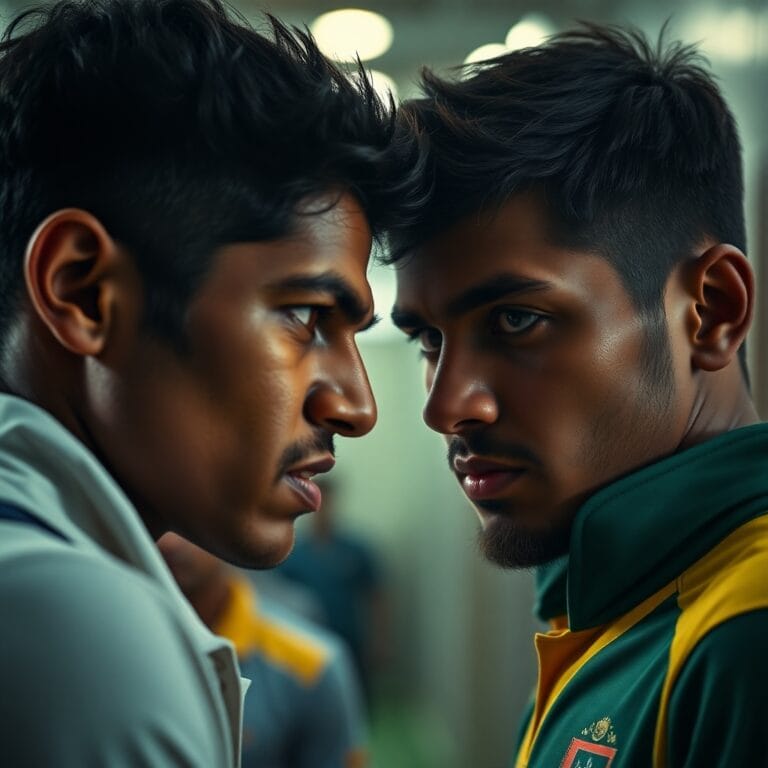
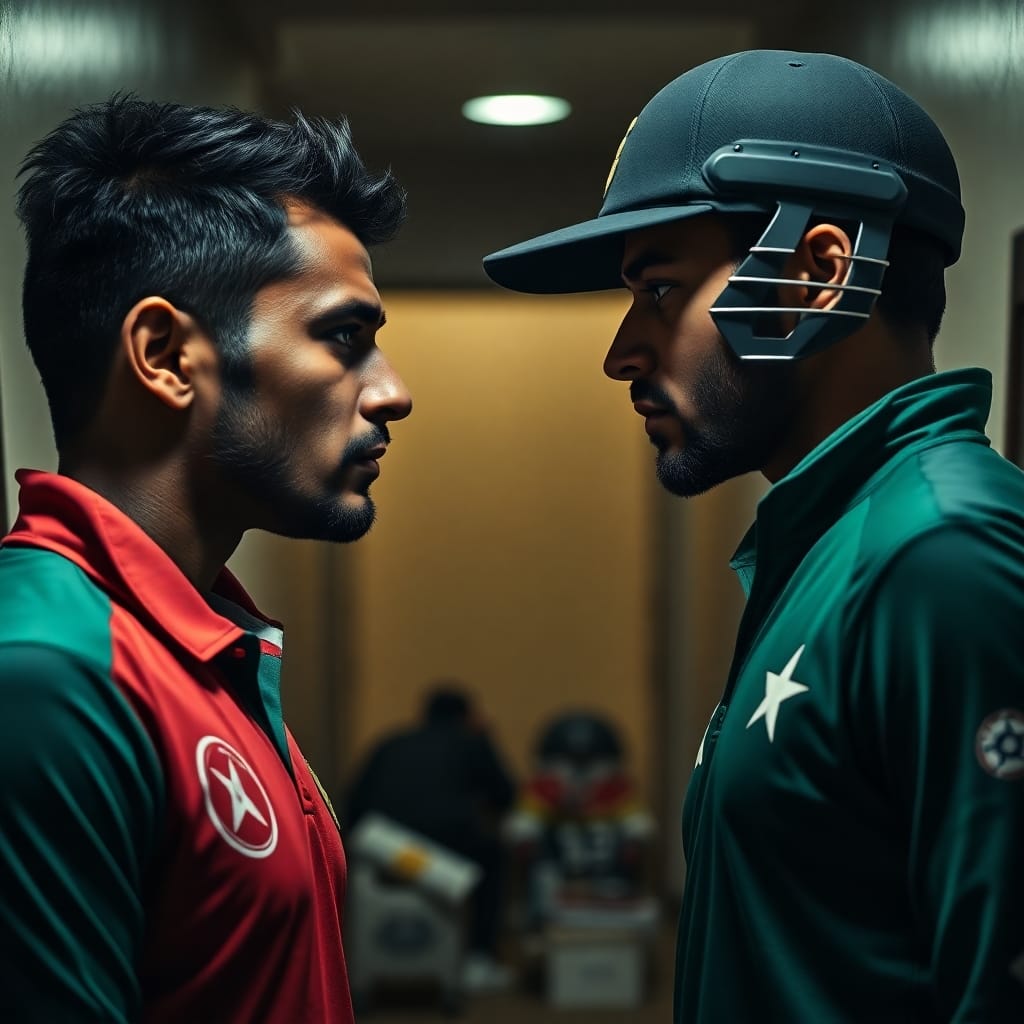
The clash between Bangladesh captain Litton Das and Pakistan’s Mohammad Rizwan has moved from the boundary line to headlines, highlighting a breach of cricket’s post‑match etiquette. The fallout matters because it threatens the goodwill between two neighboring cricketing nations at a time when Bangladesh’s on‑field triumph is reshaping Asian Test dynamics.
Bangladesh’s 2‑0 sweep of Pakistan in the recent two‑match Test series marked a watershed moment. While the series itself was a textbook display of disciplined bowling and patient batting, the off‑field drama sparked by a handshake snub adds a human layer that fans cannot ignore. Below, we unpack the tactical chessboard, the personalities involved, and what the saga could mean for the upcoming calendar.
The Stats Behind the Strategy
| Metric | Bangladesh | Pakistan |
|---|---|---|
| First‑innings runs | 465 (combined) | 312 (combined) |
| Wickets taken by spin | 14 | 6 |
| Bowling economy (runs per over) | 2.78 | 3.45 |
| Rizwan’s scoring rate | — | 38.2 (38 runs @ 86.4 SR) |
| Das’s contributions with the bat | 57 runs @ 45.0 SR | — |
The numbers tell a clear story: Bangladesh’s bowlers forced Pakistan into a low‑scoring rhythm, especially on the turn‑friendly Dhaka Ecological Gardens where the pitch offered variable bounce and a bit of grip for the spinners. Rizwan’s average of 38 in the series was a rare bright spot, but his strike rate suggested he was content to hang around the crease, a habit that Bangladesh’s captains exploited by setting aggressive fields and rotating bowlers quickly.
Tactical Decisions and Team Dynamics
Bangladesh entered the series with a clear plan – use their seamers to exploit the morning moisture at Dhaka’s Sher‑E‑Bangla National Cricket Stadium, then unleash a quartet of spinners in the afternoon sessions. The seam attack, led by Mehidy Hasan, kept the Pakistani top order under pressure, extracting seam movement that the locals are accustomed to. When the ball began to settle, Taijul Islam and Shakib Al Hasan took over, turning the pitch into a wicket‑magnet.
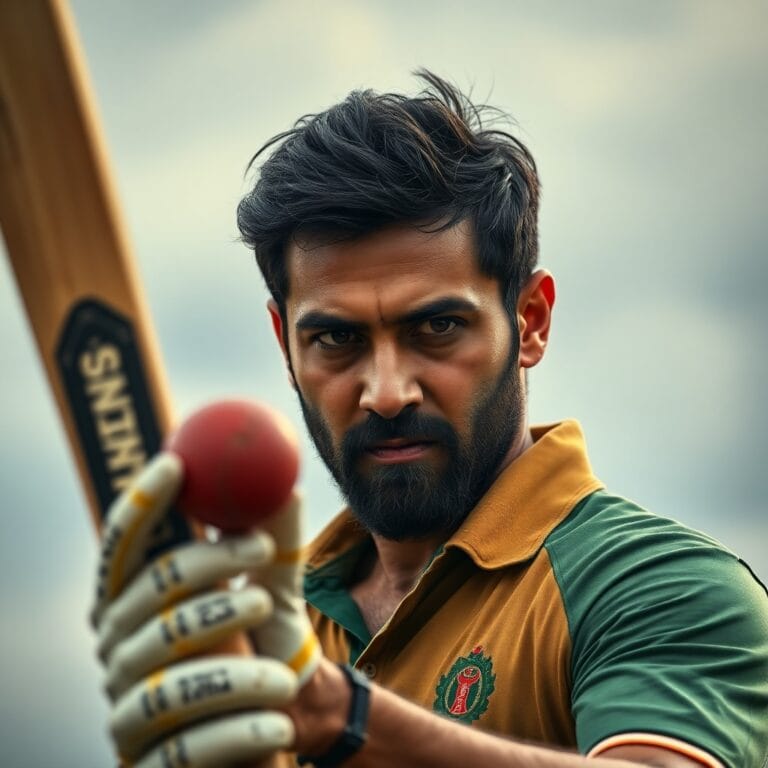
Rizwan’s role was to blunt that spin onslaught. A veteran of sub‑continental conditions, he was expected to play the anchor, allowing the middle order to rebuild. Yet, his decision to stay at the crease with a relatively low strike rate gave Bangladesh space to apply forward pressure, especially through tight catching positions and aggressive slip cordons.
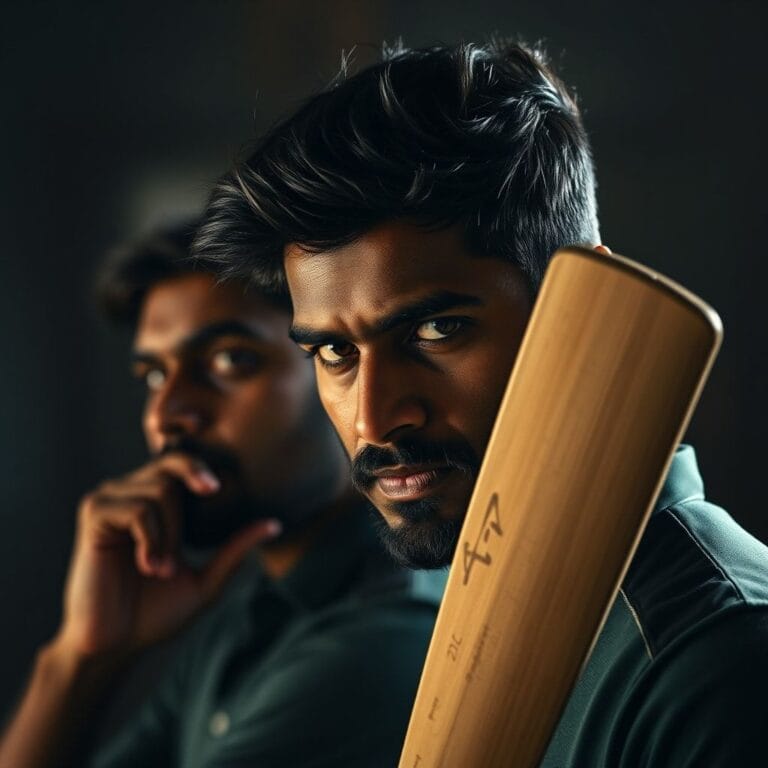
Litton Das, meanwhile, wore two hats – stand‑in captain and wicket‑keeper batter. His decision to target Rizwan with verbal tactics was not random; Rizwan’s reputation for defensive batting had been a known factor in the lead‑up to the series. By questioning Rizwan’s intent during the first Test, Das aimed to unsettle a key pillar of Pakistan’s batting, hoping to force a premature error.
Player Mindsets and the Handshake Snub
From Das’s perspective, the handshake is a symbolic seal of sportsmanship. After a hard‑won victory, he felt the need to reaffirm that Bangladesh’s success was earned on merit, not bitterness. The refusal to shake hands, in his view, crossed a line that the traditional etiquette of cricket holds dear.
Rizwan, on the other hand, may have been processing the sting of public criticism. After being called out for “stalling” and having his technique dissected, a handshake could have felt like an endorsement of that pressure. Whether it was a calculated silence or a momentary lapse, his non‑engagement sent a clear, if inadvertent, message.
Impact on the Series and What Lies Ahead
Bangladesh’s clean sweep will boost their confidence heading into the upcoming Test against New Zealand. The win also secures a higher ICC Test ranking, positioning them as a legitimate force against traditional powerhouses. For Pakistan, the defeat has already triggered an internal review, with conversations about batting order reshuffles and perhaps a more aggressive approach in the middle overs.
The handshake controversy could influence future bilateral talks. The Pakistan Cricket Board may feel compelled to address the incident formally, either through an apology or a private diplomatic channel, to preserve the spirit of the game. Bangladesh’s cricket board, meanwhile, will likely use the episode to reinforce the importance of respect in international cricket.
Fans’ Viewpoint and Grounded Opinions
Bangladeshi fans have taken to social media, celebrating the historic win while also voicing disappointment in Rizwan’s conduct. Memes of Rizwan with a “handshake‑free” badge have circulated, reflecting a blend of humor and genuine frustration. In Pakistan, many supporters defend Rizwan, arguing that on‑field sledging is part of competition and that a handshake should not become a political statement.
From a neutral standpoint, most seasoned observers see the incident as a reminder that cricket’s unwritten codes matter as much as runs and wickets. The sport thrives on mutual respect; when that is compromised, the narrative shifts from pure competition to one of personal grievances.
In the end, the series will be remembered for Bangladesh’s tactical brilliance more than the handshake drama. Yet, the episode adds a human layer that will linger in discussions, reminding players and fans alike that the spirit of the game extends beyond the boundary rope.