Mark Chapman’s Catch Defines MLC Showdown in Dallas
Mark Chapman’s Catch Defines MLC Showdown in Dallas
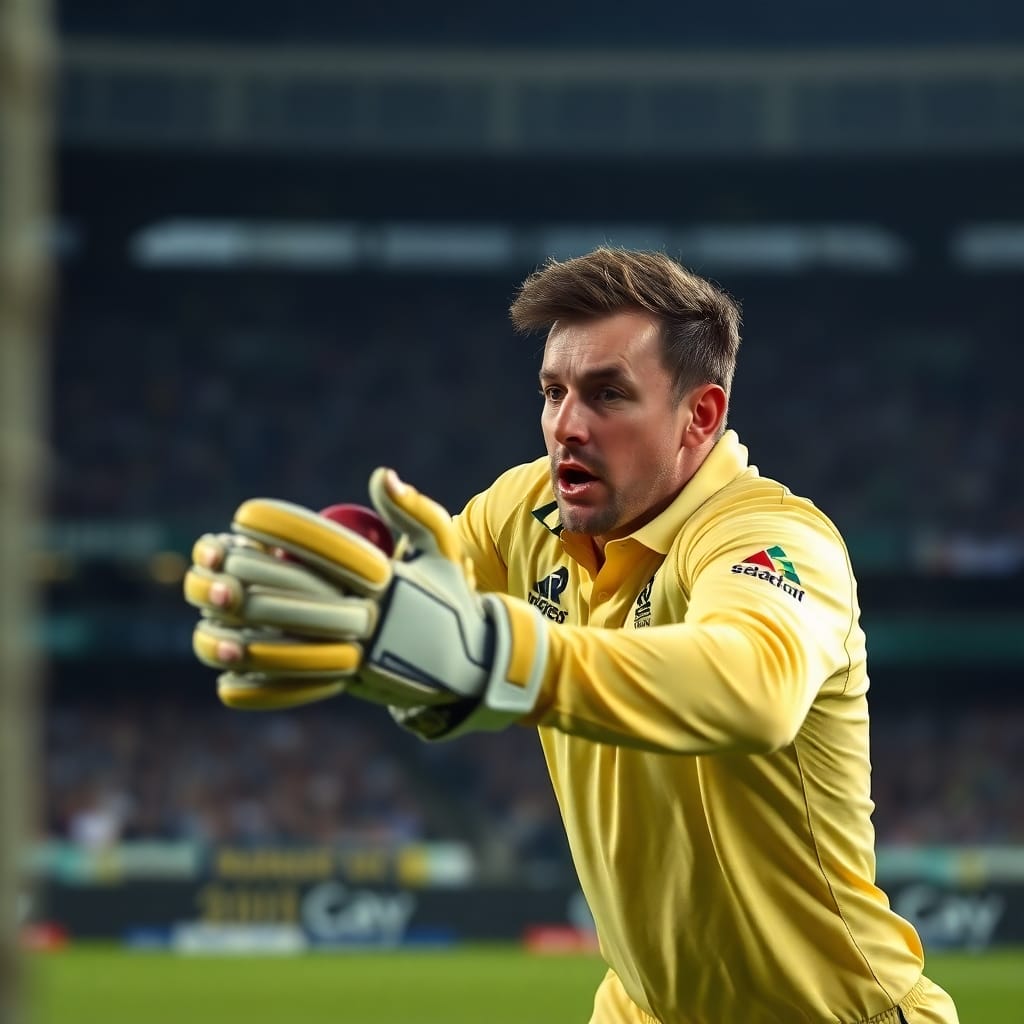
The latest Major League Cricket showdown in Dallas turned heads when Washington Freedom’s Mark Chapman leapt to snatch a high‑speed catch from Tim Seifert. The moment mattered because it not only ended a blistering innings but also highlighted how fielding can shift the momentum in a T20 chase.
Match Context
Grand Prairie Stadium hosted a classic chase scenario. Washington Freedom posted 216‑4, anchored by Mitchell Owen’s 61 off 25 balls and Chapman’s own 57 off 24. The Orcas needed a brisk 217 to win, a target that would test any middle‑order. Seifert, the New Zealand‑born finisher, answered with a 78‑run blitz, but his aggression was finally curbed by a piece of fielding brilliance.
Tactical Analysis and Team Decisions
Seattle’s early plan was simple: let the openers fire, then accelerate with a power‑play partnership. Seifert and Matthew Breetzke combined for 89 runs in just 46 balls, a strike rate of 193. The Orcas kept the required run rate below 10 throughout, never allowing the Freedom bowlers to settle.
Washington’s death‑over strategy hinged on Ottneil Baartman’s four‑for‑33 spell. By keeping the Orcas in the 150‑160 range, Baartman forced Seattle to rely on a final‑over surge. The Orcas responded by rotating the strike, with Dasun Shanaka blasting an unbeaten 36 off 12 balls to seal the win.
Player Roles and Mindset
Seifert entered the innings with a clear mandate – clear the fence. His approach was a mix of aerial power and a willingness to take calculated risks. The 78‑run effort, peppered with seven fours and six sixes, showed a mind set on dominance rather than caution.
Chapman, usually known for his batting, displayed a fielding mindset that many teams value but rarely see in action. Stationed near the deep mid‑wicket rope, he judged the trajectory instantly, took the clean catch, and, with a quick hop, flicked the ball back before his foot crossed the boundary line. The split‑second decision saved one wicket and sent a mental message to the Orcas: every run would be contested.
The Stats Behind the Strategy
| Player | Runs | Strike Rate | Boundaries (4s) | Sixes | Key Moment |
|---|---|---|---|---|---|
| Tim Seifert | 78 | 236.4 | 7 | 6 | Final over hook that was caught by Chapman |
| Matthew Breetzke | 66 | 183.3 | 5 | 4 | Anchor during first 20 overs |
| Ottneil Baartman | – | – | – | – | 4/33 in death overs |
Player + Venue Linking
Grand Prairie’s fast, low‑bouncing pitches favor hard‑hitting batsmen, much like the short‑run tracks in Chicago’s Soldier Field. Seattle’s openers exploited the quick carry by pulling and cutting, while Washington’s bowlers tried to use the little seam movement to keep the ball low. Chapman’s catch was made more challenging by the venue’s firm out‑field; the ball travelled at 120 km/h and the bounce was razor‑sharp, demanding flawless hands.
Tournament Impact and What Comes Next
Seattle’s win pushes them to the top of the points table, keeping a perfect start to the MLC season. The margin of victory also boosts net run rate, a factor that could decide playoff spots if teams finish on equal points.
Washington, on the other hand, will look to tighten their death‑over bowling. Baartman’s four‑for‑33 was a bright spot, but the inability to contain the Orcas in the final five overs will be a talking point in the next camp.
Fan Perspective and Grounded Opinions
The Twitterverse lit up when Chapman’s catch replayed. Fans praised his athleticism and called the effort “nothing short of a game‑changer.” Seattle supporters roared about the chase, but many admitted the catch added a layer of drama that will be remembered long after the season ends.
For neutral observers, the match reinforced why MLC is becoming a tested T20 platform in North America: high scores, tight finishes, and moments of fielding brilliance that mirror the big‑stage IPL or Big Bash games. If the league keeps delivering such spectacles, the fan base will only grow.