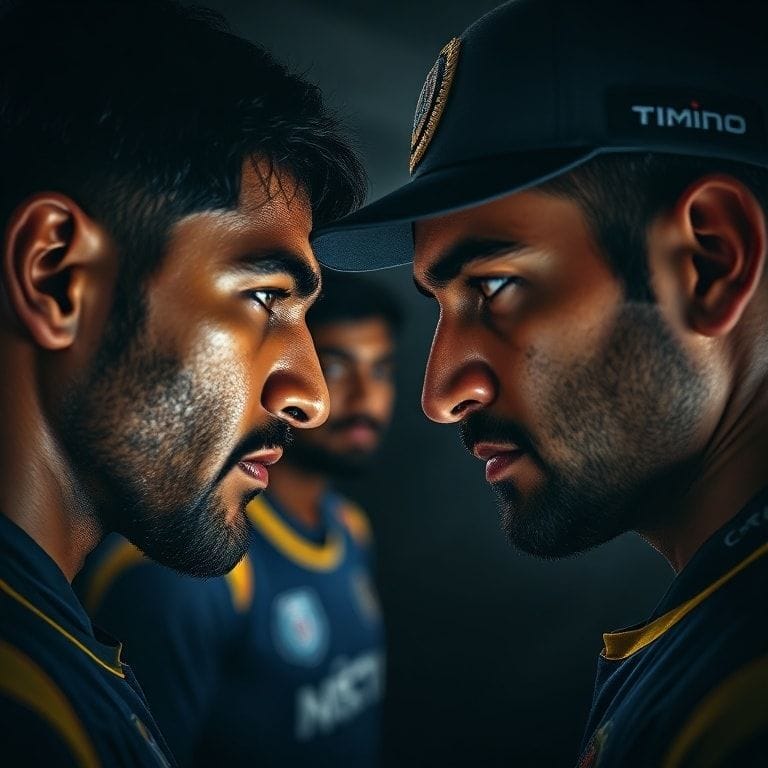
MI vs CSK IPL 2026 Tactical Breakdown at Wankhede
MI vs CSK Showdown: Tactical Insights from the Wankhede Clash
Today’s showdown at the Wankhede pits Mumbai Indians against Chennai Super Kings, a rivalry that always draws a buzz of excitement. Both sides are scrambling for points after a shaky start, making this clash a possible turning point in the 2026 IPL race.
Match Context
MI and CSK enter the encounter with two wins from six matches each, sitting in the lower half of the table. Mumbai recently rode a 99‑run surge against Gujarat Titans, powered by Tilak Varma’s quickfire hundred. Chennai, on the other hand, are coping with a rash of injuries – Ayush Mhatre is out for the season – yet still boast the calm leadership of MS Dhoni and the aggressive flair of Sanju Samson.
The Stats Behind the Strategy
| Metric | MI (last 5 games) | CSK (last 5 games) |
|---|---|---|
| Average first‑innings score | 184 | 176 |
| Powerplay runs (first 6 overs) | 55.2 | 48.6 |
| Wickets lost in death (16‑20 overs) | 3.4 | 2.8 |
| Economy of primary death bowler | Bumrah 7.2 | Gurjapneet 6.9 |
| Spin wickets on Wankhede (last season) | 2.1 per match | 1.9 per match |
The numbers reveal a clear edge for Mumbai in the top‑order fire‑power, while Chennai’s death‑overs discipline is tighter. Wankhede’s history of modest spin returns means both sides will lean on their pace weapons early on.
Tactical Moves and Player Mindset
Winning the toss usually means bowling first at the Wankhede, because the evening dew makes the ball slick for spinners. If MI elects to field, they will likely unleash Trent Boult and Jasprit Bumrah in the opening spell, aiming to shake early rhythm. The plan is to let the middle order – Suryakumar Yadav and Hardik Pandya – capitalize on a solid platform.
Chennai’s field‑setting will revolve around containment. Gurjapneet Singh’s natural swing in the early overs, paired with Noor Ahmad’s subtle variations, is designed to keep the run‑rate in check. When the ball gets sticky under the lights, CSK will turn to Dhoni’s experience, feeding the lower order with set‑piece overs that demand precision over power.
On the batting side, Tilak Varma’s aggressive stance aligns perfectly with the Wankhede bounce – the red soil offers a crisp, true carry that favors a bat that meets the ball a fraction early. For Chennai, Ruturaj Gaikwad will look to anchor the chase, using the short boundaries to rotate the strike. Sanju Samson’s improvisational game will be critical if the target climbs above 190.
What the Result Means for the Tournament
A win for Mumbai would lift them into the mid‑table, easing the pressure on their batting core and reinforcing confidence in Bumrah’s death‑overs role. It could also push Hardik Pandya into a more aggressive captaincy stance, potentially reshuffling the batting order to give Yadav a longer stay at the crease.
Should Chennai pull off a comeback, the narrative would shift to a resilience story, with Dhoni’s calmness proving decisive. A victory would not only revive their points tally but also send a strong message to the top‑four contenders that CSK still possess the firepower to upset any side, even with a thin bench.
Fans’ Take
On social platforms, MI supporters are already picturing a high‑scoring contest, chanting the need for Yadav to rediscover his explosive self‑belief. CSK fans, meanwhile, are rallying behind the idea of a “Dhoni comeback,” urging the veteran to deploy his signature finisher’s instinct in the final over.
Both camps are aware that a single win can change the postseason outlook. The buzz in the streets of Mumbai reflects the city’s love for cricket – a blend of optimism for the home side and curiosity about how the chase will unfold under the floodlights.
Cricket Desk: Want more on Chennai Super Kings? Check out our Chennai Super Kings Latest News & Stats.