IPL 2026: Jamieson’s Demerit Point Fuels Player Conduct Debate
Jamieson’s Demerit Point Sparks Debate on player conduct and Tactical Aggression in IPL 2026
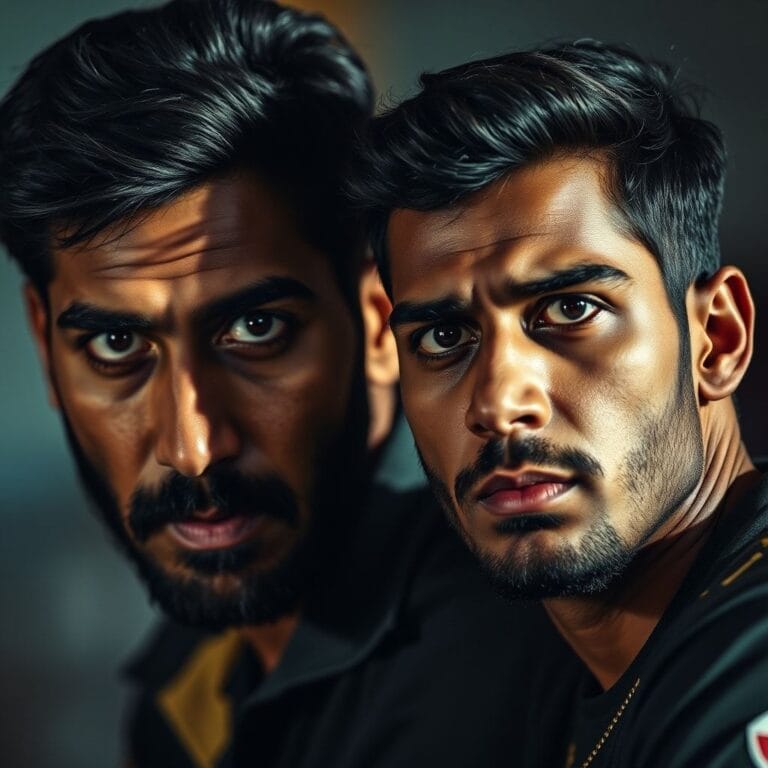
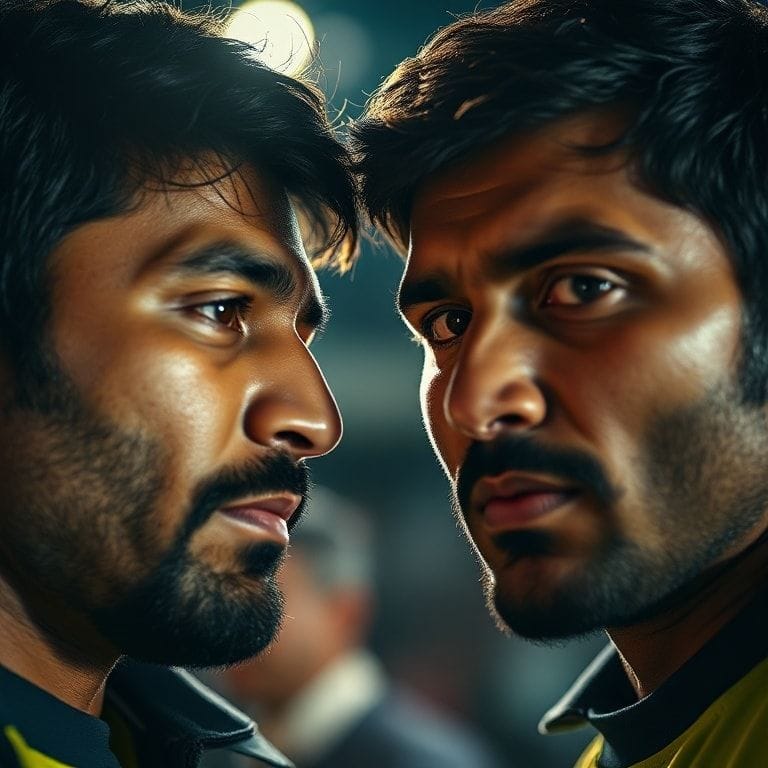
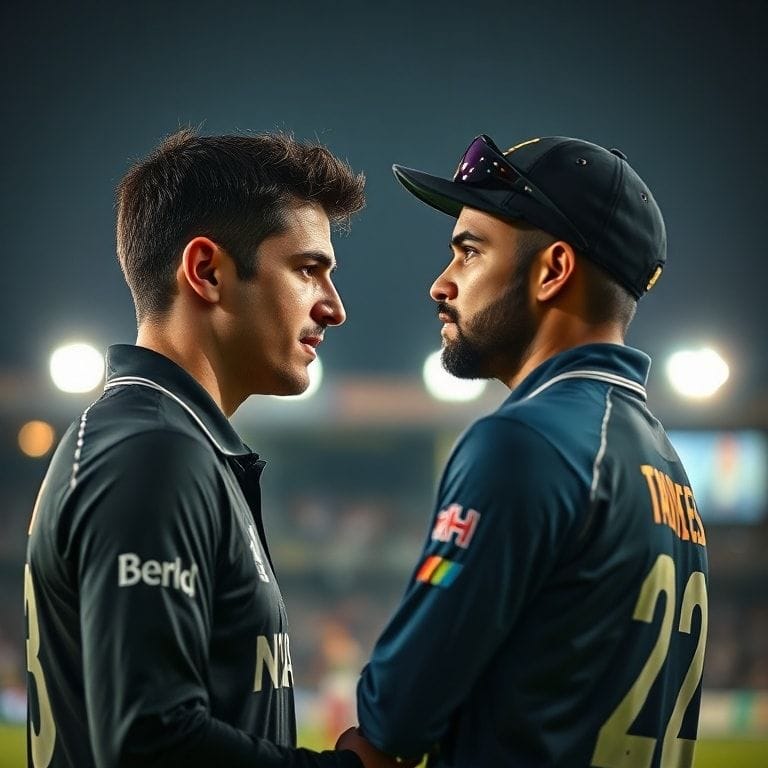
The incident that saw Kyle Jamieson handed a demerit point for an animated send-off to Rajasthan Royals rookie Vaibhav Suryavanshi has become the talk of IPL 2026. Beyond the headline, the episode throws light on how emotions, tactical pressure and venue nuances shape decision-making in T20 cricket.
Delhi Capitals entered the Jaipur clash needing a statement win, while the Royals were fresh from a rough start and looking to post a competitive total. The match unfolded into a high-octane run-fest, yet the early dismissal of Suryavanshi and the subsequent gesture have sparked debates about player conduct, the thin line between celebration and intimidation, and the impact on team morale.
The Stats Behind the Strategy
| Metric | Delhi Capitals (First 6 Overs) | Rajasthan Royals (First 6 Overs) |
|---|---|---|
| Run Rate | 9.2 | 10.5 |
| Wickets Lost | 1 | 2 |
| Boundary Percentage | 38% | 44% |
| Average Ball Speed (Jamieson) | 148 km/h | – |
| Yorker Success Rate (Jamieson) | 71% | – |
Jamieson’s yorker success in the powerplay was unusually high for a New Zealand pacer on a dry Jaipur track. The Sawai Mansingh surface offers bounce early on, but by the fourth over the ball settles, rewarding bowlers who can hit the base of the stumps. Jamieson’s figures—four wickets for 22 runs in the first ten overs—reflected a well-executed plan to curb the Royals’ aggressive opening strategy.
Tactical Choices and Team Decisions
Delhi’s captain, Mohammad Shami, opted to open with two seamers—Jamieson and Anrich Nortje—rather than the usual spin-heavy combo seen in Jaipur. The decision hinged on two observations: the early morning humidity that aids swing, and the Royals’ penchant for attacking the seamers with lofted drives. By forcing Suryavanshi into a quick-fire start, Shami hoped to dismantle the opening partnership before the powerplay ended.
Rajasthan, aware of the pitch’s low-offer bounce after the first five overs, countered by promoting wicket-keeper batter Vaibhav Suryavanshi to open. The gamble paid dividends for a single ball; Suryavanshi smashed a boundary on delivery one, signalling intent. Yet the plan faltered when Jamieson’s second-over yorker clipped the base of the off-stump, sending Suryavanshi’s bat clutching air.
The moment sparked an immediate reaction from Jamieson: a tight-lipped stare, a step forward, and an extended arm gesture toward the departing batsman. While adrenaline explained the intensity, the act crossed the IPL Code of Conduct’s Level-1 breach, prompting the demerit point. From a tactical standpoint, the gesture may have been a psychological nudge—intending to deter the Royals from taking on the pacers later in the innings.
Player Roles, Mindsets, and Venue Linkages
Jamieson’s skill set thrives on pitches that reward bounce and carry. In Jaipur, the red soil dries out quickly, creating a hard surface that assists pace with early movement and later, a predictable bounce that fast bowlers can exploit. His ability to bowl sub-60-meter yorkers makes him lethal in the powerplay, especially against aggressive openers like Suryavanshi, who favor aerial shots.
For the Royals, Suryavanshi’s aggressive mindset was a double-edged sword. His willingness to attack the first ball showed confidence, yet the lack of footwork against a precise yorker exposed a technical gap. The incident forced Rajasthan’s captain, Riyan Parag, to reshuffle the batting order, pulling in seasoned hitters—Parag himself and Donovan Ferreira—to stabilize the innings.
On the chase, KL Rahul embraced a measured aggression, rotating the strike while targeting the spinners in the middle overs. His 75 off 48 balls came from a blend of late cuts and sweeping the slower turn at the middle of the wicket—a tactic suited to Jaipur’s declining pace after the 12-over mark.
Impact on the Tournament and What Lies Ahead
Delhi’s successful chase of 226 placed them firmly in the top three of the league table, boosting their net run rate—a crucial tie-breaker for playoff spots. The win also reinforced the Capitals’ belief in a fast-bowling-first strategy on sub-continental pitches, a blueprint they may replicate against teams like Sunrisers Hyderabad and Rajasthan Royals again.
For the Royals, the defeat highlighted two learning points: the need for a more adaptable opening pair and the importance of maintaining composure after early setbacks. Parag’s 90-run anchor will be essential in the upcoming matches, but the team must guard against discipline breaches that could cost them points or player availability.
Jamieson’s demerit point, though minor, emotional control remains a governing factor in the IPL’s brand image. If he repeats the breach, a Level-2 sanction could see him miss a crucial match, potentially altering Delhi’s bowling dynamics.
Fans’ Take and Grounded Opinions
The fan reaction on social media was split. Some praised Jamieson’s competitive fire, arguing that a little intimidation is part of the game’s entertainment value. Others felt the gesture crossed a line, urging the IPL to enforce stricter conduct standards to preserve sportsmanship.
From a grounded perspective, the incident underscores how high-stakes T20 cricket can amplify emotions. Fans love the drama, but they also expect professionalism. The consensus among seasoned observers is that while the on-field fireworks—high scores, big hits, tight death overs—drive viewership, maintaining a respectful tone ensures the league’s longevity.
In the end, the Jaipur clash will be remembered more for its 225/6 total and a nail-biting chase than for a single gesture. Yet the episode adds another chapter to the ongoing conversation about player conduct, strategic aggression, and how venue characteristics shape both cricketing decisions and the emotions that accompany them.
Cricket Desk: Want more on Associate cricket strategy? Check out our Associate cricket strategy Latest News & Stats.