LSG’s Defeat to Rajasthan Royals and Rishabh Pant’s Struggle
Lucknow Super Giants’ Crushing Defeat and the Emotional Moment That Followed
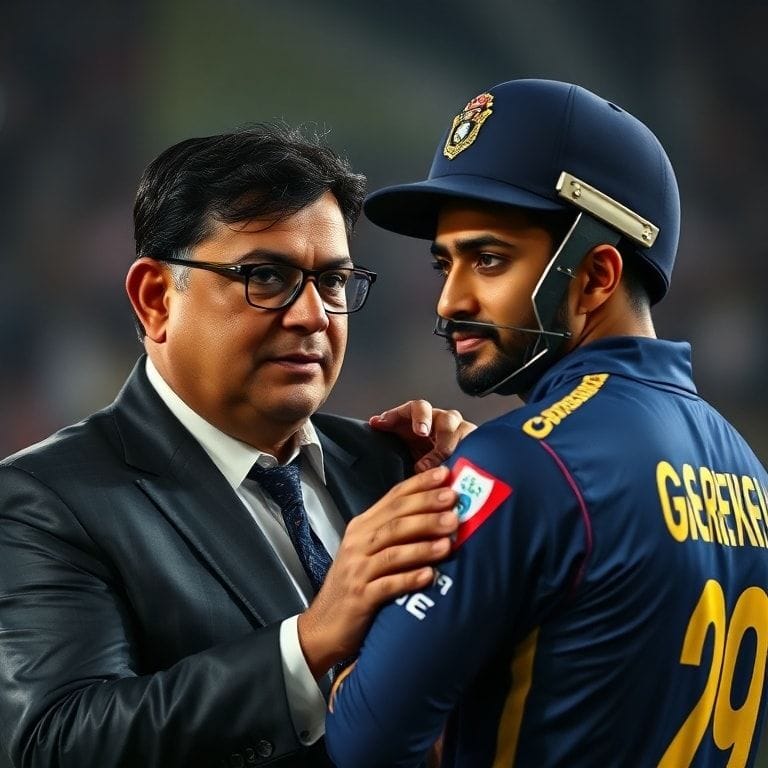
Lucknow Super Giants’ fourth straight defeat at Ekana Stadium sparked a viral moment of empathy when owner Sanjiv Goenka consoled skipper Rishabh Pant. The loss to Rajasthan Royals not only deepened LSG’s points-table woes but also highlighted tactical choices that continue to puzzle fans.
What went wrong at Ekana?
Ekana’s green-top pitch offered a little bounce and a bit of turn, a combination that suited Rajasthan’s spin-heavy attack. Lucknow won the toss and elected to chase, trusting their power-hitting middle order to chase 160. The decision ignored two facts: the inexperienced top-order had struggled against early swing in the season, and the home surface historically rewards disciplined bowling in the first fifteen overs.
Team selections and the balance of power
Rajasthan fielded a balanced XI that blended experience with a few surprise inclusions. Mohammed Shami opened the attack, while Mohsin Khan, a left-arm seamer, provided the early swing that dismantled LSG’s top three. The decision to hand the final five overs to all-rounder Ravindra Jadeja paid off, as his 43-off-29 anchored the chase and earned him the Player of the Match award.
Lucknow’s line-up, on the other hand, looked fragmented. The opening pair of Ayush Badoni and Pant were both dismissed for ducks within the first two overs, a pattern that echoed their struggles at the 2024 edition of the tournament. The middle order, anchored by Mitchell Marsh’s 55, lacked a second big hitter to rotate the strike against Archer’s pace and Bishnoi’s spin. The choice to promote Aiden Markram to No 4, hoping his aggressive style would unsettle the bowlers, backfired when he fell for a first-ball duck.
Player roles and mindset
Rashid Khan’s absence from the Royals line-up forced them to lean on their depth. Jadeja embraced the role of “anchor-plus-accelerator,” a mindset that suited his all-round skill set. His ability to weave the ball into gaps while picking occasional boundaries kept the run rate steady.
Pant entered the match with a heavy burden. Coming off a series of low scores, his reflexes seemed dulled by the pressure of being the team’s designated finisher. The early dismissal punctuated his mental fatigue, a reality that the Goenka-Pant moment later highlighted.
Impact on the tournament
With the loss, LSG slipped to ninth in the table, three wins away from the playoff line. The defeat also widened the gap between the bottom-four and the mid-table teams, making the next four matches a make-or-break stretch. Rajasthan, now sitting second, solidified its reputation as a unit that thrives on low-scoring battles, a trend that could define the knockout stage.
What’s next for the Super Giants?
The management faces a two-pronged dilemma: reshuffle the batting order to provide a more stable start, and revisit the bowl-to-bat decision at Ekana. A possible solution lies in promoting an experienced opener—perhaps Chris Gayle or an overseas top-order specialist—to blunt the new-ball swing.
On the bowling front, the duo of Nandre Burger and Jofra Archer proved lethal in the powerplay. Retaining that early aggression while adding a quality spinner for the middle overs could help LSG defend modest totals in home games.
The Stats Behind the Strategy
| Metric | Lucknow Super Giants | Rajasthan Royals |
|---|---|---|
| First-over wickets | 2 (Badoni, Pant) | 3 (Shami, Singh, Chahar) |
| Run rate (first 6 overs) | 3.2 | 5.8 |
| Middle-order (overs 9–14) runs | 44 | 62 |
| Bowling economy (top 3 bowlers) | 7.5 (Burger), 8.2 (Archer), 9.0 (Badoni) | 5.0 (Shami), 5.3 (Archer), 6.1 (Jadeja) |
| Boundary count | 15 | 22 |
The numbers underline why the Royals could chase 159 comfortably. Their first six overs generated nearly double the runs LSG managed, and their middle-order contributed a decisive 62 runs, a stark contrast to LSG’s stagnant middle spell.
Connecting players to the pitch
Ekana’s green-top track favours bowlers who can extract seam movement early and turn later. Mohammed Shami’s swing at the start exploited the moisture, while Mohsin Khan’s left-arm angle added variance. For the chase, Rajasthan’s spin duo—Ravi Bishnoi and the part-timer Jadeja—found gripping turn in the fourth and fifth overs, forcing LSG into a defensive mindset.
Rashid Khan’s spin would have thrived here, but his injury opened the door for Bishnoi, whose leg-breaks turned sharply on the fourth day of the match. The decision to keep Jadeja at 40 % of overs paid off because his experience on similar sub-continental tracks allowed him to read the pitch and accelerate at the right moments.
Fan perspective and grounded opinions
The LSG fanbase expressed a mixture of frustration and empathy on social platforms. Many questioned the decision to open with Badoni, a player still finding his footing in IPL, especially against Shami’s swing. Others praised Goenka’s visible support for Pant, calling it a needed human touch in an otherwise ruthless league.
On the Royals side, supporters celebrated the depth of their squad. The cameo by Shubham Dubey, scoring 19 off 12, reminded fans that the bench strength can be a game-changer when the top order flutters.
the match reinforced a core IPL lesson: a flexible batting order and a bowler-friendly approach on low-scoring surfaces often separate the contenders from the struggling sides. Lucknow’s next move will likely be a regrouping session that blends tactical tweaks with renewed confidence, while Rajasthan will aim to keep the momentum rolling toward the semi-finals.
Cricket Desk: Want more on Colombo Cricket Analysis? Check out our Colombo Cricket Analysis Latest News & Stats.