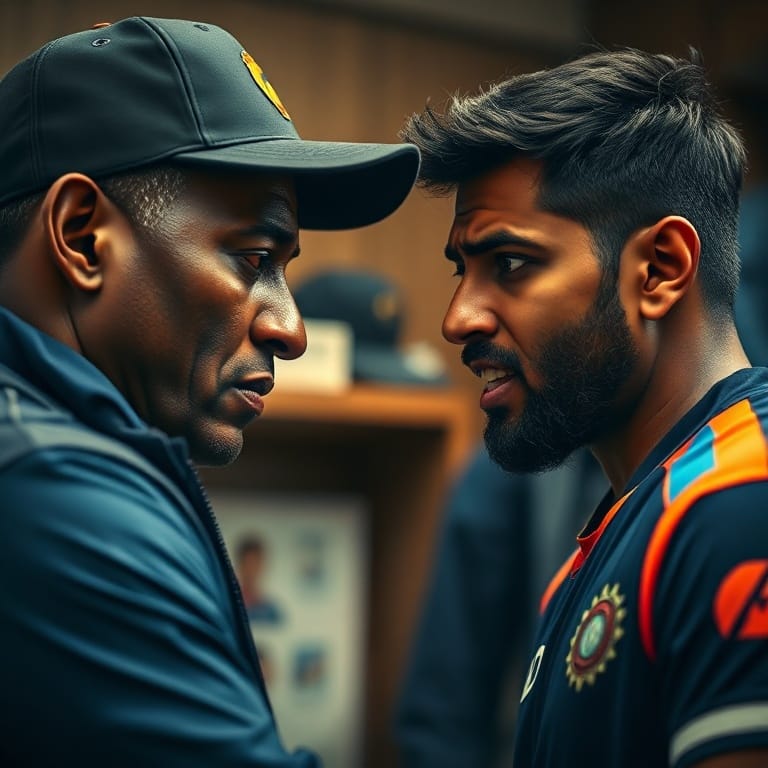
Kevin Pietersen Defends IPL Players Amid Rising Criticism
Kevin Pietersen Defends IPL Players Amid Rising Criticism
Kevin Pietersen has stepped into the ongoing debate about the Indian Premier League, backing the current crop of players against former‑cricket greats who have been quick to criticize the tournament. His defence comes on the heels of Royal Challengers Bengaluru’s back‑to‑back triumph, a result that has reignited conversations about the IPL’s sway on the global calendar.
The Stats Behind the Strategy
| Metric | RCB 2026 | Average IPL Champion (2008‑2025) |
|---|---|---|
| Winning Tosses | 7 | 5.2 |
| Run Rate in Finals (runs/over) | 9.1 | 8.4 |
| Powerplay Dismissals | 2 | 3.7 |
| Top‑order Partnerships (50+ runs) | 6 | 4 |
| Bowling Economy in Play‑offs | 7.3 | 8.0 |
The numbers show why RCB’s game plan felt both aggressive and measured. Winning the toss in seven out of eight matches gave them the luxury of dictating the field, while a sub‑9 run‑rate in the final demonstrated they could still accelerate without risking a collapse.
Why Pietersen’s Voice Matters Now
When a former England skipper who once shared a dressing‑room with IPL legends like Shane Watson and Sunil Narine raises his voice, fans sit up and listen. Pietersen’s own stint with Rajasthan Royals gave him a front‑row seat to the league’s pressures – long travel weeks, back‑to‑back matches, and the constant media glare. His argument is simple: criticism from those who never faced the same schedule often misses the nuance of modern professional cricket.
Tactical Shifts That Sparked the Debate
RCB’s triumph was built around a flexible batting order. Rajat Patidar, the young captain‑turn‑hero, pushed the traditionally hard‑hitting Faf du Plessis up the ladder in the powerplay, turning the early overs into a platform rather than a risk‑free zone. In the middle overs, the team relied on slow‑bowling maestro Yuzvendra Chahal to stifle scoring, a move that forced the opposition into a chase that required one‑run miracles.
On the bowling side, the franchise swapped a usual five‑bowler attack for a four‑bowler core, adding an extra spinner in the death overs. This decision paid off on the dusty Bengaluru pitch, where the surface offered just enough turn to make the ball bite, but not enough to let the batsmen settle.
Player Mindsets in a Crowded Calendar
For players like Jofra Archer, who juggled England duties and a franchise stint in the Caribbean, the IPL is both a showcase and a squeeze. The modern cricketer now has to manage fatigue, media expectations, and franchise loyalty, all while keeping an eye on national selection. Pietersen’s defence shines a light on this reality – the “all‑or‑nothing” mindset of older generations clashes with the pragmatic approach of today’s athletes.
Take the case of Jacob Bethell, a rising star who opted out of a county season to focus on IPL exposure. His decision sparked heated tweets from former England players who argued he was “abandoning the longer format”. Yet Bethell’s strikes in the powerplay at the Wankhede Stadium, where the pitch favours pace on early mornings, showed a clear purpose: using IPL performance to cement a place in England’s limited‑overs setup.
Venue‑Specific Links: Players and Pitches
RCB’s success at Bengaluru’s M Chinnaswamy is no accident. The fast‑outfield rewards boundary hitters, while the short square leg makes a difference for spinners who can exploit the low bounce. Patidar’s decision to bowl first at this venue capitalised on the early‑evening dew, which often makes the ball skid under the night‑lights.
Across the league, the Kolkata Knight Riders’ home ground, Eden Gardens, with its slower, turning surface, suits wrist‑spinners like Rashid Khan. His variations have consistently broken partnerships, especially when the second‑innings teams aim for a chase on a pitch that slows after the 35th over.
Fan Perspective: The Ground‑Level Pulse
Social media lit up the moment Pietersen posted his defence. Fans from Mumbai to Leeds rallied behind him, sharing anecdotes of how the IPL gave them a chance to see their hometown heroes alongside world stars. The sentiment was clear: they see the league as a bridge between grassroots cricket and the global stage.
Critics, on the other hand, pointed to the weary faces of veterans who now have to sit out of national squads because of franchise fatigue. The conversation is less about love‑hate for the IPL and more about a call for a balanced calendar that respects both formats.
What This Means for Future Tournaments
As the IPL heads into its next season, franchises will likely double down on data‑driven strategies. The table above shows that teams that win the toss and maintain a sub‑9 run‑rate in the final have a clear edge. Expect more captains to gamble on early powerplay aggression, backed by specialist bowlers who can adapt to venue‑specific conditions.
From an administrative standpoint, boards may need to rethink release windows. The ongoing dialogue sparked by Pietersen’s comments could push the ICC to craft clearer guidelines that protect players from overload while still allowing leagues to flourish.
In the end, the IPL’s influence on modern cricket is undeniable. Whether you are a purist who worries about the erosion of Test cricket or a fan who lives for the fireworks of a six‑hit over, the league will keep shaping the sport’s narrative. Pietersen’s defence is a reminder that the story belongs to the players who are living it every day, not just to the voices from the past.