RCB vs DC: A Last-Ball Thriller at Chinnaswamy
RCB vs DC: A Last-Ball Thriller at Chinnaswamy
Royal Challengers Bengaluru clashed with Delhi Capitals in a high‑octane encounter at the M. Chinnaswamy Stadium, a game that swung back and forth before a last‑ball finish. The match offered a glimpse of how raw athleticism, tactical nuances and tournament pressure can reshape a chase in a T20 setting.
The evening began with RCB posting 175/8, a total that looked solid thanks to an explosive 63 off 38 balls from Phil Salt. His blend of lofted drives and well‑timed sixes gave the home side a platform, but the middle order never quite found a rhythm against the disciplined spin duo of Axar Patel and Kuldeep Yadav. Axar’s variations on the middle and short of the wicket forced RCB into a cautious approach, while Kuldeep’s left‑arm wrist spin added an extra layer of doubt.
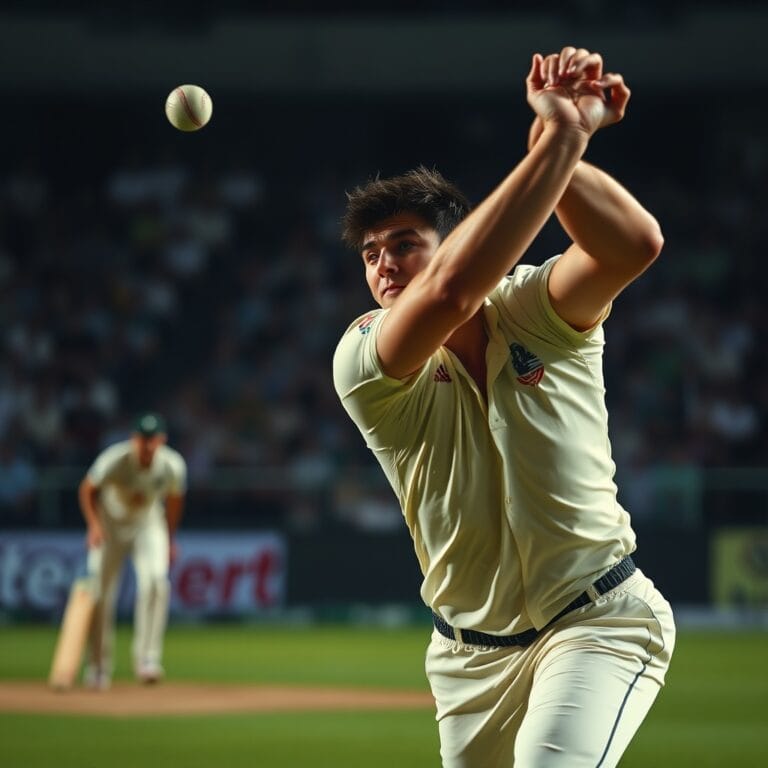
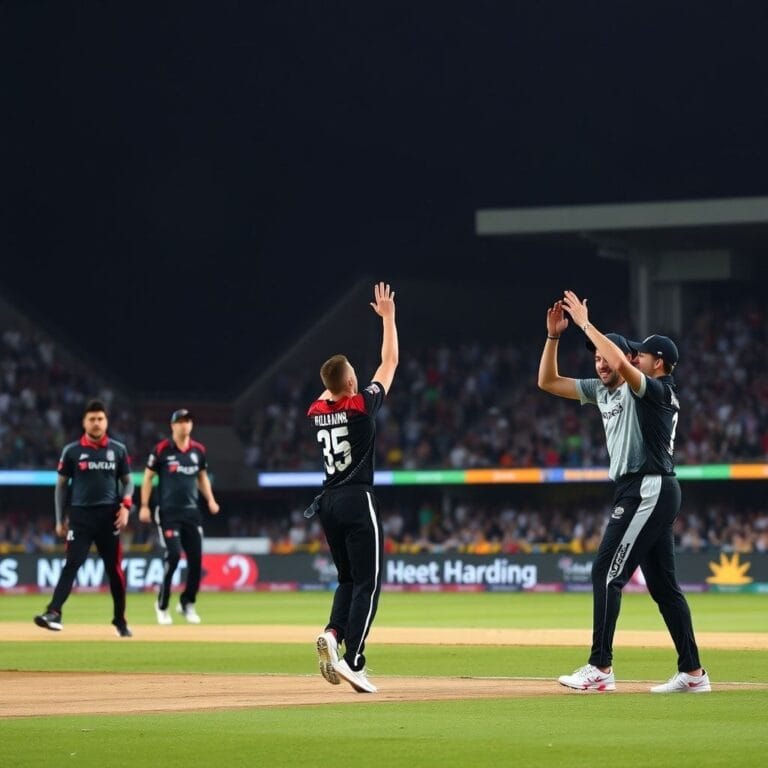
Delhi’s reply started with a bang when veteran swing bowler Bhuvneshwar Kumar ripped through the top order, claiming three wickets for just five runs. The early blow reduced the Capitals to 18/3, but a remarkable wicket‑keeping display from Jitesh Sharma lifted the atmosphere. Jitesh leapt low on his right side and snatched a glancing edge off Sameer Rizvi, a play that briefly tilted the momentum toward the hosts.
Strategically, both captains made clear choices. RCB chose to open with Bhuvneshwar, trusting his ability to swing the ball in the early morning breeze that often hugs Chinnaswamy’s boundary. The decision paid dividends, but the quick loss of three wickets forced them to rotate the strike, a task Salt handled brilliantly. On the other side, Delhi’s skipper KL Rahul promoted himself up the order after the early collapse, aiming to steady the ship with a calculated aggression. Rahul’s 57 off 34 balls reset the chase, pairing nicely with Tristan Stubbs, whose unbeaten 60 earned him the Player of the Match award.
Stubbs displayed a calm finish, rotating the strike with well‑placed singles before accelerating in the final overs. When Axar Patel retired hurt at 134/4, the Capitals lost a key bowler, and the game entered its most nerve‑racking phase. David Miller’s 22* off 10 balls added a finishing punch, but it was Stubbs who steadied the nerve, guiding the team to the target with two balls to spare.
The Stats Behind the Strategy
| Player | Runs | Balls | SR | Wickets | Econ |
|---|---|---|---|---|---|
| Phil Salt (RCB) | 63 | 38 | 165.8 | – | – |
| KL Rahul (DC) | 57 | 34 | 167.6 | – | – |
| Tristan Stubbs (DC) | 60* | 36 | 166.7 | – | – |
| Bhuvneshwar Kumar (RCB) | – | – | – | 3 | 1.6 |
| Axar Patel (DC) | 26 | 19 | 136.8 | 2 | 3.2 |
The numbers highlight the high‑impact bursts each side relied on. Salt’s strike rate above 165 set the tone, while the Capitals leaned on two sub‑30‑run partnerships to chase the total. Bhuvneshwar’s economy of 1.6 in the powerplay kept the pressure on, a classic swing‑early‑overs plan at Chinnaswamy.
Players and the Chinnaswamy Canvas
The M. Chinnaswamy Stadium is known for its short boundaries on the square leg side and a pitch that offers a little extra bounce, especially on the fourth day of a T20 match when the surface settles. Phil Salt’s lofted pull shots found the ropes with ease, a testament to his comfort on a firm surface. Jitesh Sharma’s reflexes were amplified by the low‑bouncing out‑slip area, where a mistimed edge often rolls onto the grass. The same bounce that aided Salt also helped Axar Patel extract extra turn, making his arm‑ball a potent weapon in the middle overs.
For Delhi, Sameer Rizvi’s aggressive cover drive was a gamble on a pitch that favors the ball staying low after the initial bounce. The gamble backfired, feeding Bhuvneshwar’s swing and prompting the spectacular catch by Sharma. KL Rahul’s measured approach, playing late on the back foot, suited the slower, heavy nature of the surface as the innings progressed, allowing him to use his wrist to guide the ball into gaps.
The win nudged Delhi a few places up the IPL points table, keeping their playoff hopes alive while RCB slipped into a must‑win zone for their next fixture. The narrow margin also ignited a debate about RCB’s middle‑order depth. If they can’t capitalize on a strong start, they may need to rethink their batting order or look towards a more aggressive finish strategy.
Fans left the stadium buzzing about the “Jitesh moment”—a reminder that a single flash of brilliance can change a game’s narrative. The broader cricket community is already dissecting the implications for the tournament: Delhi’s resilience could inspire other teams to adopt a “bounce‑back” mindset after early setbacks, while RCB’s reliance on a lone fire‑brand may force them to build a more collective batting approach.
Looking ahead, RCB faces a crucial clash against a top‑four side, where a balanced attack will be essential. Delhi, meanwhile, will look to capitalize on the momentum, perhaps tweaking their spin rotation to keep opposition batsmen guessing. The next few weeks promise more edge‑of‑the‑seat finishes, and the Chinnaswamy crowd will remember this one for the way a keeper turned a potential collapse into a moment of awe.