India’s T20 Captaincy Crossroads: Suryakumar’s Slump and Iyer’s Rise
India’s T20 Captaincy Crossroads: Suryakumar’s Slump and Iyer’s Rise
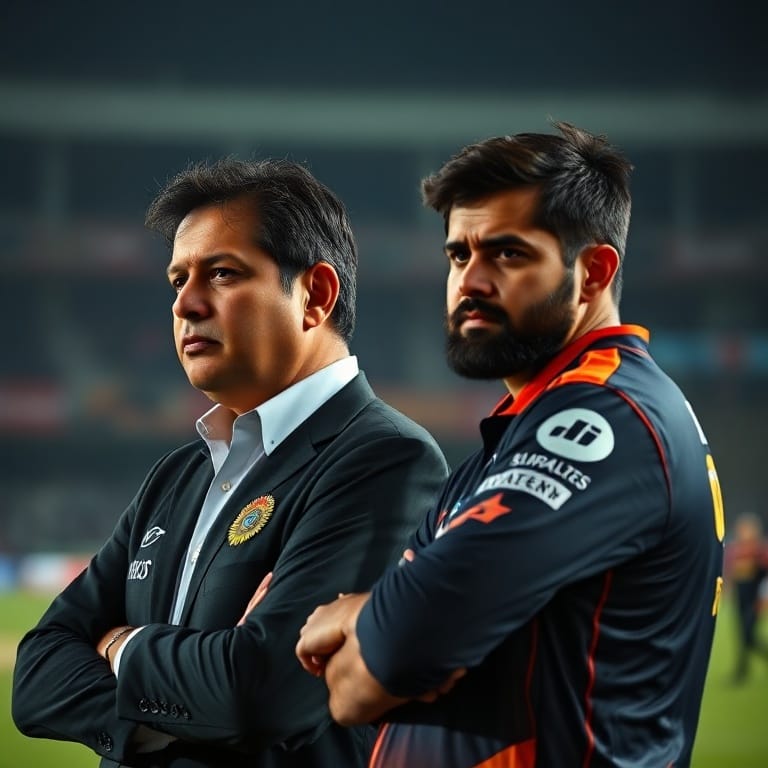
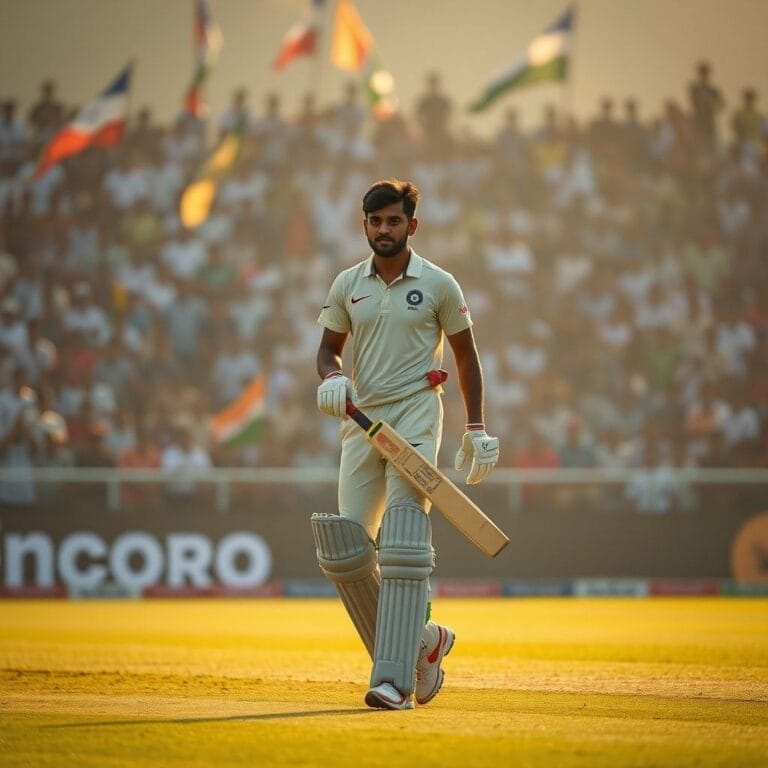
India’s T20 leadership is at a crossroads after a glittering World Cup defence that left fans cheering but the captain’s form in tatters. The debate has taken on a new shape with former Aussie great Ricky Ponting backing Shreyas Iyer as the next skipper, a move that could reshape the side ahead of the Ireland and England white‑ball tours.
The Stats Behind the Strategy
| Player | Matches (T20I) | Runs | Average | Strike Rate | Last 12 innings |
|---|---|---|---|---|---|
| Suryakumar Yadav | 85 | 2,350 | 41.2 | 146.5 | 120 (SR 121) |
| Shreyas Iyer | 58 | 1,540 | 34.6 | 158.3 | 365 (SR 165) |
The numbers tell a story that goes beyond mere runs. Yadav’s strike rate has slipped from a career‑high 146 to just over 120 in his most recent dozen innings, while his average has drifted down as well. Iyer, meanwhile, has surged past the 150‑run mark in his last three IPL seasons, pushing his T20I strike rate into the high‑150s. Those figures become crucial when a side looks to dominate powerplays on varied conditions.
Why the Captaincy Question Looms
The BCCI selection panel, chaired by Ajit Agarkar, has felt the heat since Yadav’s IPL 2026 numbers fell short of expectations – 195 runs at 19.5 average across ten games. In the short format, a captain is expected not only to lead tactically but also to provide a reliable top‑order anchor. Yadav’s recent slump has revealed a vulnerability that opponents can target, especially on swinging English tracks where a solid start is golden.
Shreyas Iyer offers a contrast. His IPL stint with Punjab Kings saw him adapt to both crusty sub‑continental pitches in Delhi and the lighter, greener surfaces of Birmingham. He has played numerous knockouts on slow, dusty tracks in Chennai, where his ability to rotate strike and accelerate in the death overs proved decisive. That adaptability is a trait selectors love when planning tours that swing from Dublin’s seam‑friendly grounds to Manchester’s pace‑friendly outs.
Tactical Shifts on the Horizon
If Iyer takes the reins, the balance of the batting order could shift. Expect him to sit at No 4, allowing a more aggressive opener pair – perhaps Rohit Sharma and Hardik Pandya – to set the tempo. Iyer’s calm mid‑innings presence could free up the lower order, letting youngsters like Rahul Tripathi play with fewer constraints.
Bowling strategies would also feel the ripple. Iyer’s stint as Punjab King’s captain gave him a front‑row seat to field placements that squeeze runs on flat pitches. He prefers a high‑pressing field during Powerplay, nudging bowlers to bowl full‑length deliveries that encourage edges. Against England, that could translate into two quick wickets on a swinging wicket, handing India a psychological edge early.
Player Mindset and Role Evolution
Suryakumar, now in a captaincy limbo, faces a tough personal crossroads. The Mumbai‑born bat has always thrived on freedom; constrained by the captaincy, he may have lost a ounce of his natural aggression. A return to a pure batting role, even as a senior figure, could reignite his spark. The coaching staff will need to manage his ego gently, perhaps appointing him as a senior vice‑captain to keep his experience in the decision‑making loop.
For Iyer, the transition means more than a new armband. He must blend his newfound aggression – a strike rate jump from 135 to 178 – with the poise required of a leader. His IPL record shows he can rally a side during pressure crunches, guiding three different franchises to finals. That mental elasticity will be vital when the team faces hostile Australian crowds or the damp, low‑bounce conditions of Dublin’s Castle Avenue.
Impact on Upcoming Tours
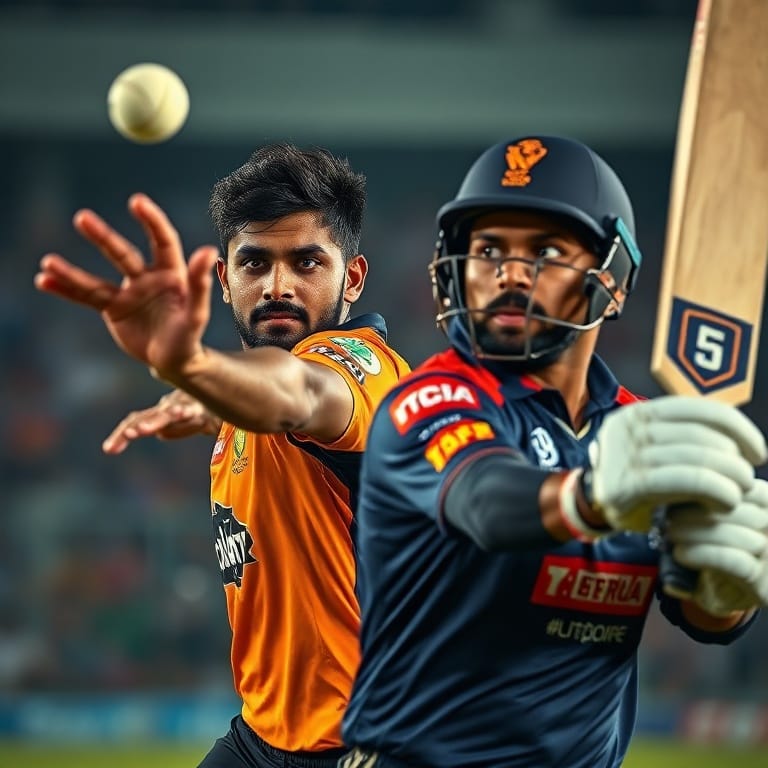
India’s white‑ball itineraries next month include a three‑match T20I series in Ireland followed by a four‑match set in England. Both series will test different facets of the side. Irish pitches favor seam and swing, demanding a disciplined top order; English grounds reward big hitting in short bursts, especially in the death overs. A captain who can read those shifts on the fly – as Iyer promises – could tip the scales.
From a selection perspective, the committees might also look to bolster the pace attack with an extra seamer for the Irish leg, while packing the England squad with hard‑hitting finishers who can clear the boundary cleanly on the slower ODI‑style fields. The captain will be the conduit for those tactical tweaks, making the decision on who wears the whites even more crucial.
Fan Perspective and Grounded Opinions
On social platforms, the conversation is a blend of nostalgia and pragmatism. Long‑time fans reminisce about Yadav’s 2021 heroics – a 98‑run onslaught against England – yet many voice concern over his inability to convert big starts into match‑winning chases lately. Younger fans, who grew up watching Iyer’s transformation from anchor to aggressive finisher, champion his leadership potential, pointing to his calm demeanor during Punjab’s 2024 comeback win.
Stadium chants may soon echo a different name. While “Surya” will still ring out among Mumbai crowds, the next series could see “Shrey” reverberating from the stands, especially if the team begins to string together high‑scoring chases under his guidance. The shift, if it happens, will be a testament to how quickly sentiment can change when performance aligns with expectation.
One thing remains clear: India cannot afford a prolonged captaincy vacuum. The pressure to stay atop the T20 rankings is real, and the next few months will decide whether the side consolidates its dominance or slides into a period of transition. Whether Yadav returns as a seasoned batsman or Iyer lifts the armband, the cricketing world will watch closely, because every decision now writes the next chapter of India’s T20 legacy.