IPL 2026 Qualifier 2: Tactical Brilliance, Controversy, and a Teen Prodigy’s Rise
IPL 2026 Qualifier 2: Tactical Brilliance, Controversy, and a Teen Prodigy’s Rise
The IPL 2026 Qualifier 2 in New Chandigarh turned into a chess match as Gujarat Titans tried to unsettle teenage prodigy Vaibhav Suryavanshi with a short‑ball barrage. Irfan Pathan’s public rebuke added a human‑interest angle, but the real story lies in how the two sides adjusted their tactics on a used track.
Match Context
Rajasthan Royals entered the knockout with a shaky top order—Yashasvi Jaiswal and Dhruv Jurel fell in the first two overs, leaving the 15‑year‑old to shoulder the rebuild. The Royals posted 214/6, driven largely by Suryavanshi’s 96 off 47 balls. Gujarat Titans, boasting a line‑up that includes Kagiso Rabada, Mohammed Siraj and Prasidh Krishna, chased it down comfortably, thanks to Shubman Gill’s blazing 104 and Sai Sudharsan’s steady 58.
Tactical Analysis and Team Decisions
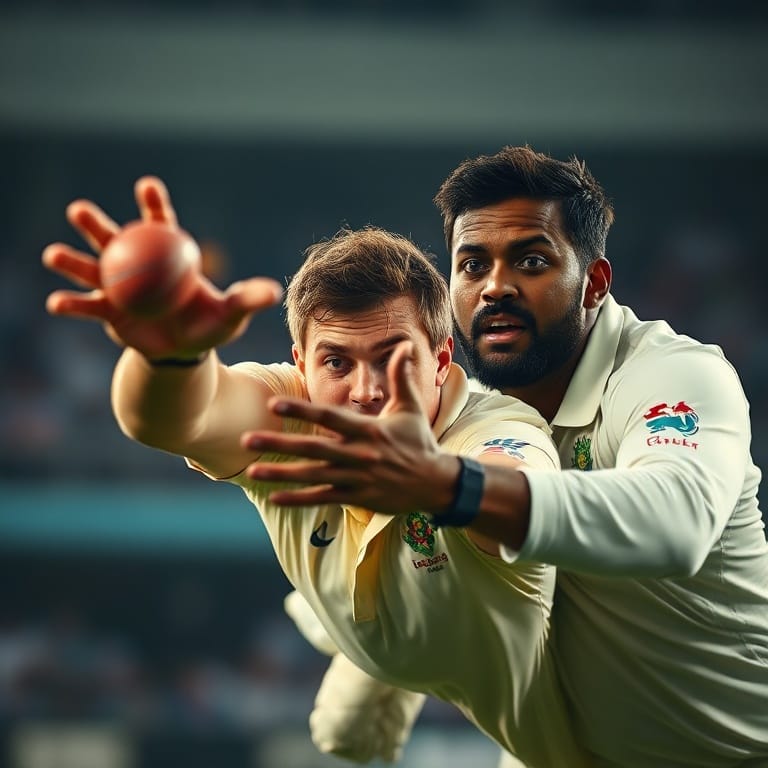
New Chandigarh’s pitch historically offers a blend of bounce and a bit of turn after 30 overs. The surface was already showing wear after the first innings, prompting Gujarat to shift from a conventional seam plan to a more aggressive short‑ball approach. Rabada opened the attack with a sharp back‑of‑a‑length delivery that clipped Suryavanshi’s helmet, forcing a concussion protocol. Siraj followed with a body‑targeted over‑the‑wicket line, hoping to intimidate the youngster and force a defensive shot.
Rajasthan’s response was two‑fold. Vaibhav, rather than retreating, began to look for the mid‑wicket and long‑on corridors, using pull and hook shots to turn the hostility into runs. Jadeja and Ferreira shifted the strike rotation, ensuring the 96‑run cameo didn’t collapse under pressure. On the other side, Gujarat’s captain Shubman Gill elected to keep the field tight, allowing only a few slip catchers and preventing direct hits, while still granting his pacers room to bowl the short ball without fear of giving away boundaries.
Player Roles and Mindset
Vaibhav Suryavanshi entered the crease with a calm that belied his age. Rather than seeing the short ball as a threat, he treated it as a runway to the lofted shots he had practiced in the nets. His mindset mirrored a seasoned batsman who knows that the best defense against intimidation is aggression.
Rabada’s role shifted from early wicket‑taking to psychological warfare. By aiming at the helmet and body, he tried to unsettle the bat’s confidence. Siraj, known for his yorkers, chose a different weapon—short balls—demonstrating adaptability.
Irfan Pathan’s reaction on social media highlighted a parental instinct, but also reminded fans that the game’s spirit can be stretched when youth is involved. His comment sparked a debate about the balance between competitive edge and player welfare.
The Stats Behind the Strategy
| Bowler | Overs | Runs | Wickets | Short‑Ball % |
|---|---|---|---|---|
| Kagiso Rabada | 4 | 28 | 1 | 75% |
| Mohammed Siraj | 4 | 32 | 0 | 68% |
| Prasidh Krishna | 4 | 30 | 2 | 55% |
Vaibhav’s strike rate of 204 and sixes off short deliveries (including a 153 km/h Rabada ball) underline how the short‑ball plan backfired. Gujarat’s overall short‑ball proportion sat at 63%, far above the tournament average of 38% for powerplays.
Impact on the Tournament and What Comes Next
Gujarat Titans booked a final spot, reinforcing their reputation as a side that can adapt mid‑game. Their short‑ball gamble, though controversial, paid off by creating early pressure and keeping the Royals on the back foot.
For Rajasthan, the loss sparked a re‑evaluation of their batting depth. The reliance on a teenage prodigy exposed a gap that needs filling before the next season. Their coaching staff will likely look at strengthening the opening pair to avoid over‑reliance on a single point of failure.
Fan Perspective and Grounded Opinions
Fans were split. Some praised the Titans for daring tactics, calling it “smart aggression.” Others felt uneasy watching a 15‑year‑old endure body‑line bowling, echoing Irfan’s sentiment. Social media threads lit up with calls for clearer guidelines on short‑ball usage against teenagers, while others argued that cricket is a game of risk and reward.
What remains clear is that Vaibhav’s performance has turned him into a household name overnight. Whether he can sustain this level or becomes a one‑off sensation will be the storyline to watch in the next IPL season.