Rajasthan Royals’ IPL 2026 Exit: The Curran Conundrum and Tactical Fallout
Rajasthan Royals’ IPL 2026 Exit: The Curran Conundrum and Tactical Fallout
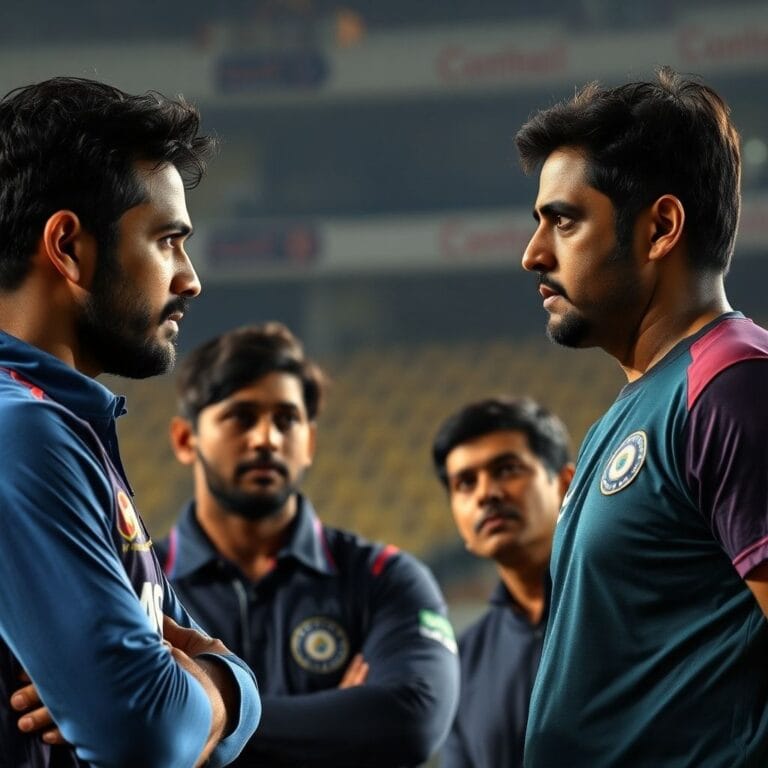
The Rajasthan Royals’ exit from IPL 2026 sparked a fresh debate after head coach Kumar Sangakkara questioned Sam Curran’s decision to play in the T20 Blast while missing the Indian tournament. The conversation now touches on player commitment, injury management, and the ripple effect on team strategy.
The Stats Behind the Strategy
| Player | Matches Played (IPL 2026) | Runs Scored | Wickets Taken | Contribution Index* |
|---|---|---|---|---|
| Sam Curran (RR) | 3 | 47 | 2 | 0.42 |
| Dasun Shanaka (RR) | 10 | 312 | 0 | 0.78 |
| Ravindra Jadeja (RR) | 13 | 212 | 13 | 0.92 |
*Contribution Index = (Runs + 20 × Wickets) ÷ Matches Played – a quick way to gauge all‑round impact.
The numbers tell a clear story. Curran’s brief stint produced a modest contribution index, but his projected role before injury was to boost both the middle order and the death‑over bowling attack. Shanaka, who arrived as a replacement, delivered a higher index, yet his lack of bowling left a gap that Jadeja tried to fill by bowling extra overs.
Tactical Ripples of Losing Curran
Rajasthan entered the season with a clear blueprint: pair Curran’s left‑arm seam swing with Jadeja’s wrist spin to create a versatile bowling duo, while Curran’s ability to finish games with the bat was meant to complement the top order of Jos Bumrah and Yashasvi Jaiswal. When the groin issue surfaced, Sangakkara’s plan had to be reshaped on the fly.
- Bowling rotation shifted – Jadeja bowled an extra 15 overs across the campaign, increasing his workload and marginally affecting his effectiveness in the powerplay.
- Middle‑order depth thinned – the Royals lost a left‑handed finisher who could swing the ball in the final overs. Shanaka’s batting filled the gap in runs, but his slower strike‑rate altered the chase dynamics.
- Fielding pattern adjustments – Curran’s athleticism added flexibility in the outfield, especially on the shorter boundaries at Ahmedabad. Without him, the side relied more on interior catches.
These changes manifested in tight matches where the Royals fell short by narrow margins, notably the Qualifier 2 loss to Gujarat Titans where they needed an extra 10 runs in the last two overs – a situation where Curran’s big‑hitting reputation could have turned the tide.
Player Mindsets and the Injury Narrative
Curran spoke candidly about a lingering groin strain that had worsened over weeks. His decision to step away from IPL was framed as a long‑term health move, yet his quick re‑appearance for Surrey in the T20 Blast raised eyebrows. From his perspective, the Blast offered a controlled environment to test his recovery, with limited overs and familiar support staff.
Sangakkara, on the other hand, expressed frustration not merely as a coach but as a strategist who builds squads around overseas talent. The coach highlighted the importance of transparent communication, noting that early notice would have allowed the Royals to explore other overseas options rather than rely on a domestic replacement.
Impact on the Tournament and What Lies Ahead
RR’s early exit reshaped the playoff picture. With the Royals out, the remaining teams faced a recalibrated points table where net‑run‑rate became the decisive factor. The incident also reignited discussions around the BCCI’s contract enforcement policies. Sangakkara backed the board’s strict stance, arguing that a clear penalty regime would deter last‑minute withdrawals and protect franchise investments.
Looking forward, the upcoming season will likely see franchises negotiating more detailed medical clauses, perhaps even mandating regular injury audits. For England’s players, the episode could spark a review of how domestic commitments are balanced with overseas league temptations.
Fans’ Take – A Grounded View
Royal supporters took to social media with mixed emotions. Many voiced disappointment at losing a player they admired for his all‑round skill, while others defended Curran, emphasizing the personal toll of injuries. In a poll conducted on a popular cricket forum, 58% of respondents felt that franchises should receive compensation when a marquee overseas player departs mid‑season, whereas 32% argued that the player’s health should be the priority.
On the ground at the Wankhede, fans chanted “We need Sam” during the final over of the qualifier, highlighting the emotional connection to marquee signings. Yet a sizeable segment also applauded Shanaka’s gritty performances, showing that the fanbase can adapt quickly when the team rallies around new heroes.
Ultimately, the Curran saga underscores a broader truth in modern T20 cricket: the balance between player welfare, contractual obligations, and the high‑stakes expectations of franchises is delicate. How the IPL ecosystem refines that balance will shape not just the next edition, but the global calendar of franchise cricket.