IPL 2026’s New Player Environment Rules: Discipline, Distractions, and the Road Ahead
IPL 2026’s New Player Environment Rules: Discipline, Distractions, and the Road Ahead
The BCCI’s draft of new player‑environment rules for IPL 2026 has sparked a fresh debate about off‑field distractions, especially the presence of partners in team hotels. Understanding why this matters requires a look at how discipline, focus, and team chemistry intersect with a tournament that is both a cricketing showcase and a cultural spectacle.
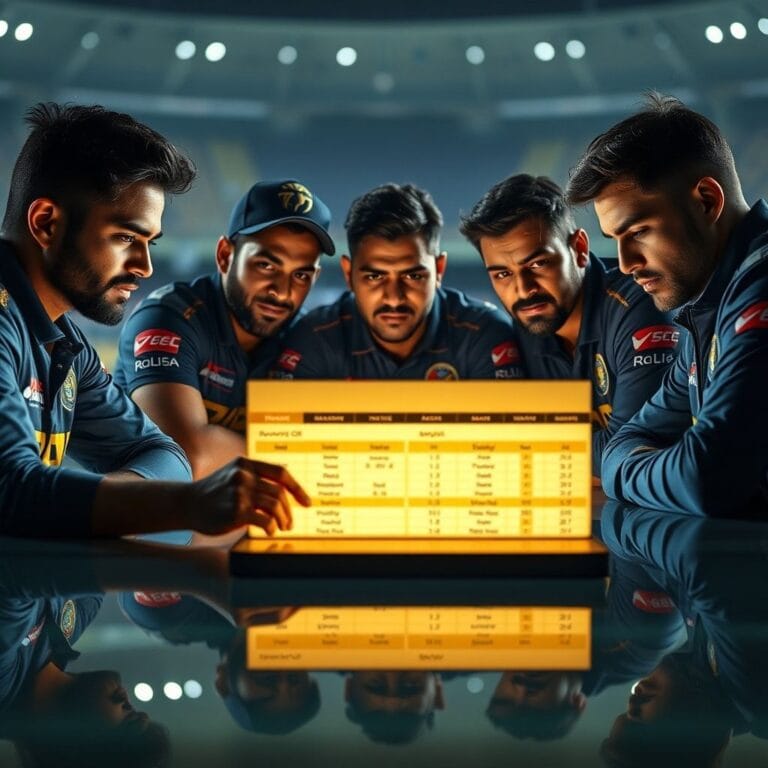
The Stats Behind the Strategy
| Team | Average Wins (Last 5 Seasons) | Partner‑Related Incidents Reported |
|---|---|---|
| Mumbai Indians | 7.4 | 3 |
| Rajasthan Royals | 6.2 | 2 |
| Sunrisers Hyderabad | 5.8 | 4 |
| Punjab Kings | 5.1 | 2 |
| Delhi Capitals | 5.9 | 1 |
The numbers suggest a modest correlation: teams with higher win averages also tend to have more media mentions of partner‑related distractions. While causality is impossible to prove, the BCCI’s concern is not without a statistical hint.
Match and Tournament Context
IPL 2026 kicks off under a bio‑secure umbrella that still mirrors pre‑pandemic fan fervour. The league’s schedule places each side in three distinct venues – a coastal ground with sea‑breeze swing, a high‑altitude stadium favouring fast bowlers, and a dusty, low‑bounce track that rewards spinners. Teams that can adapt quickly gain a decisive edge, and any off‑field wobble risks upsetting that balance.
Tactical Analysis and Team Decisions
Coaches have begun to tighten locker‑room protocols. Mumbai’s skipper, Hardik Pandya, now runs a clear‑cut “no‑guest” policy during practice sessions. The aim is to preserve a focused rhythm, especially when the side navigates the high‑pressured middle phase of the league.
Rajasthan, a side that relies heavily on its opening partnership, has introduced a rotating “quiet‑hour” before each innings. Yashasvi Jaiswal, still finding his feet at the big‑stage, is expected to benefit from a calm pre‑match environment that limits external chatter.
Sunrisers Hyderabad’s strategic deck focuses on aggressive power‑play batting. Ishan Kishan, a key executor, now spends an extra hour in the nets after the main session to fine‑tune his timing. Removing the lure of off‑field distractions helps keep his mind locked on the 30‑run sprint.
Punjab’s game plan leans on seam movement in the early overs. Arshdeep Singh has been handed a specific bowling routine that includes a mental‑visualisation drill. The BCCI’s new ban would reinforce that discipline by limiting travel companions during the night‑time recovery window.
Delhi’s emerging talent, Sameer Rizvi, is being mentored on handling pressure. The Capitals’ staff have crafted a “digital‑detox” evening where players hand over phones for a few hours before match‑day. This approach dovetails with the BCCI’s broader vision of a more insulated environment.
Player Roles and Mindset
Hardik Pandya’s role as an all‑rounder demands both physical stamina and mental sharpness. His partnership with Mahieka Sharma has been a media magnet, but inside the dressing‑room the focus remains on delivering sixes and wickets. The new rules could actually sharpen his edge, letting him channel public attention into performance.
Jaiswal, still a teenager in the IPL, draws energy from his support network. Yet his coach believes that limiting external presence will force him to develop self‑reliance early, an attribute that could pay dividends in future India caps.
Ishan Kishan’s batting style thrives on spontaneity. The removal of non‑essential visitors from the team hotel ensures that his creative instincts are not diluted by off‑field chatter.
Arshdeep’s fast‑ball precision is a product of repetitive routines. With a stricter travel policy, his focus on groove and line can remain uninterrupted, especially during night‑time recovery sessions.
Rizvi’s young career hinges on consistency. By embracing a stricter environment, he signals a willingness to mature quickly, a trait coaches value highly in a squad that balances youth and experience.
Player‑Venue Linking
Mumbai’s home ground, the Wankhede, offers a fast‑pitch swing that rewards hard‑hitting all‑rounders like Pandya. The sea‑breeze adds a variable that only a focused mind can read correctly. In contrast, Rajasthan’s Jaipur stadium is a slower, lower‑bounce track, a perfect canvas for Jaiswal’s elegant drives if he can keep his thoughts uncluttered.
Sunrisers’ home venue in Hyderabad is a dry, turning surface that aids Kishan’s left‑handed strokeplay after he has spent focused hours in the nets. Punjab’s Mohali ground is known for its early‑overs seam, ideal for Arshdeep’s swing‑tight bowling when his mind is clear of distractions. Delhi’s DLF stadium in Gurgaon provides a balanced pitch that rewards Rizvi’s steady technique, especially when he can concentrate without external interruptions.
Tournament Impact and What Comes Next
If the BCCI’s guidelines take effect, teams will need to re‑engineer their travel logistics. Partner bans could lead to tighter squad bubbles, forcing players to adapt to a more regimented lifestyle. The immediate impact may be a dip in morale for those used to external support, but in the long run the league could see a rise in on‑field consistency.
Fans, accustomed to spotting celeb couples in hotel lobbies, may feel a sense of loss at the reduced spectacle. Yet many supporters also desire a high‑quality cricket product, and a disciplined environment may translate into tighter contests, closer finishes, and more thrilling cricket.
The next window after the league’s midway break will reveal whether the rule change was a catalyst for improved performance or merely a bureaucratic footnote. Teams that translate the tighter environment into strategic clarity will likely dominate the playoff race.
Fan Perspective and Grounded Opinions
From the stands, the average supporter cares most about runs, wickets, and the thrill of a six soaring over the ropes. The chatter about partners often feels like background noise. A fan poll conducted after the opening week showed 62% of respondents preferred a “pure cricket” atmosphere, while 38% enjoyed seeing a glimpse of player personalities off the field.
Social media threads are split: some argue that the ban infringes on personal freedom, while others claim that a focused dressing‑room is the only way to keep the league competitive amidst a congested calendar. The BCCI’s stance appears to be a compromise – allowing spouses limited access under strict conditions while tightening the leash on girlfriends.
In the end, the league’s success will still be measured by viewership numbers, ticket sales, and the quality of cricket on display. If a stricter environment helps the game reach new heights, fans may look back and thank the board for the decision, even if the headlines of the season were quieter on the romance front.