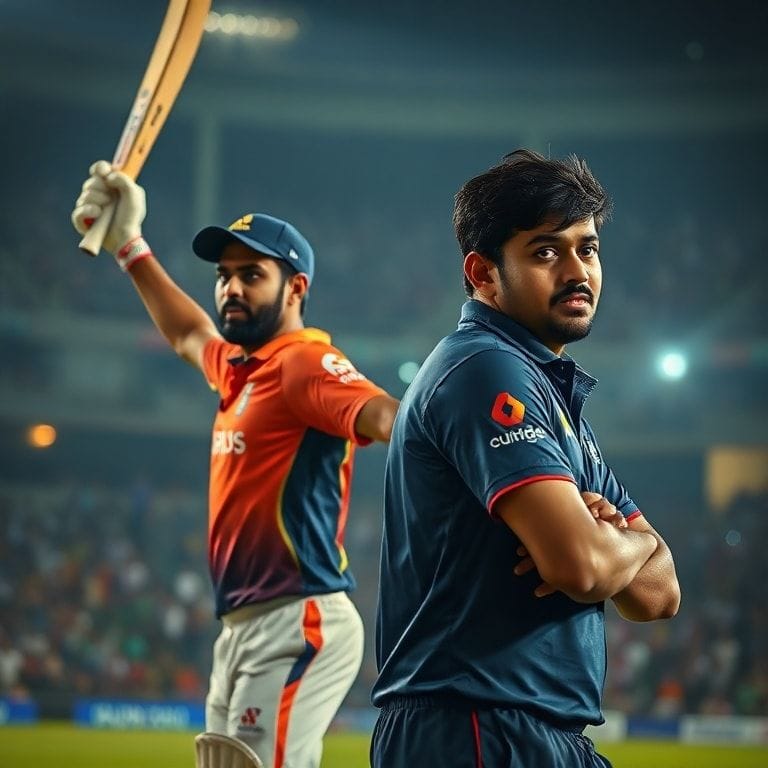
IPL 2026 Captain Rankings: Strategy, Stats, and Venue Mastery
IPL 2026 Captain Rankings: Strategy, Stats, and Venue Mastery
Ambati Rayudu’s latest ranking of IPL 2026 captains has stirred debate across the league’s fanbases. By highlighting Shubman Gill’s tactical acumen and tearing into under‑performing leaders, the former India batsman forces us to look beyond win‑loss tallies and ask what true captaincy means in today’s high‑pressure IPL.
The Stats Behind the Strategy
| Captain | Matches | Win % | Avg. Bowling Change (overs) | Key Venue Avg. Score |
|---|---|---|---|---|
| Shubman Gill (GT) | 14 | 71% | 1.9 | Ahmedabad: 174/7 |
| Rajat Patidar (RCB) | 14 | 64% | 2.3 | Bangalore: 168/8 |
| Pat Cummins (SRH) | 12 | 58% | 2.0 | Hyderabad: 176/6 |
| Ruturaj Gaikwad (CSK) | 13 | 55% | 2.4 | Chennai: 170/9 |
| Shreyas Iyer (PBKS) | 14 | 50% | 2.6 | Mohali: 165/7 |
The numbers tell a clear story: Gill’s teams win more often while he rotates bowlers almost every two overs, a rhythm that keeps the opposition guessing. Patidar’s slightly slower change rate still yields a solid win ratio, thanks to a deep batting lineup that can absorb early wobble. Cummins, despite joining late, matches Gill’s rotation tempo, showing his experience translates quickly to IPL conditions.
Tactical Analysis and Team Decisions
Gill’s hallmark is a proactive use of the new‑ball bowlers. At the Saurashtra Cricket Association Stadium, the pitch tends to offer seam movement in the first six overs before easing. Gill often unleashes Rashid Khan for just three overs, then pivots to Rashid’s slower brother, Jaydev Unadkat, exploiting the turn that emerges after ten overs. The result is a two‑phase attack that has forced opponents into a chase‑chasing mindset.
Patidar, on the other hand, relies heavily on his middle‑order tempo. In Bangalore’s high‑altitude stadium, the ball travels a touch faster, rewarding boundary‑hitting. Patidar lets his top order settle, then accelerates with a spinner‑heavy fourth‑overs spell, using Rahul Chahar’s flight to set up the final power‑play. The approach aligns with RCB’s bench strength, where batting depth outweighs a pure fast‑bowling arsenal.
Pat Cummins brings an aggressive field‑setting philosophy. At the Rajiv Gandhi International Stadium, where the outfield is consistently quick, he places fielders deep early, inviting big shots but preventing boundary clusters. His decision to bowl four‑over spells, especially with the likes of Bhuvneshwar Kumar, keeps his seamers fresh for death overs, a tactic that has saved SRH on more than one occasion.
Player Roles, Mindset and Venue Linkage
Gill’s partnership with the swing‑friendly conditions of Ahmedabad is evident. The red‑soil pitch offers lateral movement, and Gill backs his pacers to exploit it, while keeping the spinners for the middle overs when the surface flattens. His calm demeanor—rarely gesturing—mirrors the consistency of Gujarat’s field placements.
Patidar’s success in Pune’s slower, turning tracks shows his trust in local spin options. The Royal Challengers Bengaluru’s decision to hand Rahul Chahar the power‑play overs is a gamble that often pays off when the ball grips, turning modest totals into defendable scores.
Gaikwad’s revitalised captaincy after a shaky start hinges on Chennai’s coastal conditions. The sea‑breeze at Chepauk adds swing early, and Gaikwad’s bold move to open with a seam‑bowling trio surprised early‑season rivals. His measured voice in the dressing room hints at a confidence that helped CSK recover from a 0‑3 deficit.
Tournament Impact and What Comes Next
With the league edging toward its playoff phase, Gill’s GT sits comfortably in the top two, meaning a direct qualifier is within reach. Should they maintain a sub‑two‑over bowling rotation, they can neutralise any chase‑heavy team that relies on a flat chase score.
Patidar’s RCB hovers around the fourth spot, but a single loss could push them into an eliminator battle. Their strategy will likely hinge on exploiting home‑ground conditions in Bangalore, where a high‑scoring game can tilt the odds.
Cummins faces a pivotal series against Delhi Capitals. His ability to adapt his field placements for Delhi’s power‑play heavy approach could decide SRH’s destiny. A win would place SRH in the bottom half of the qualifiers, forcing a do‑or‑die match.
Gaikwad’s CSK, now back in contention, must navigate a tough schedule against MI and RR, both boasting potent death bowling units. Maintaining his calm, rotating bowlers wisely, and allowing his batting core to play at their natural pace will be key.
Fan Perspective and Grounded Opinions
From a fan’s view, Rayudu’s ranking resonates because it captures the intangible qualities that statistics alone miss. While Gill’s win‑percentage shines, supporters also point to his “quiet confidence” that permeates the dressing room. Patidar’s aggressive field‑talks split opinions; some love the fire, others feel it distracts from the game plan.
On social platforms, a recurring theme is the desire for captains to back local talent. Fans of SRH applaud Cummins for giving young Indian bowlers a clear role, while DC loyalists criticize Axar Patel’s frequent toss‑driven changes as “reactive rather than proactive.”
Looking ahead, the real test comes how these leaders handle the pressure cooker of knockout cricket. The teams that combine tactical nuance with clear communication are the ones likely to lift the trophy, regardless of the pre‑season hype.
In the end, Rayudu’s list does more than rank names—it sparks a conversation about leadership, adaptability, and the nuanced dance between player strengths and venue quirks that defines IPL cricket.