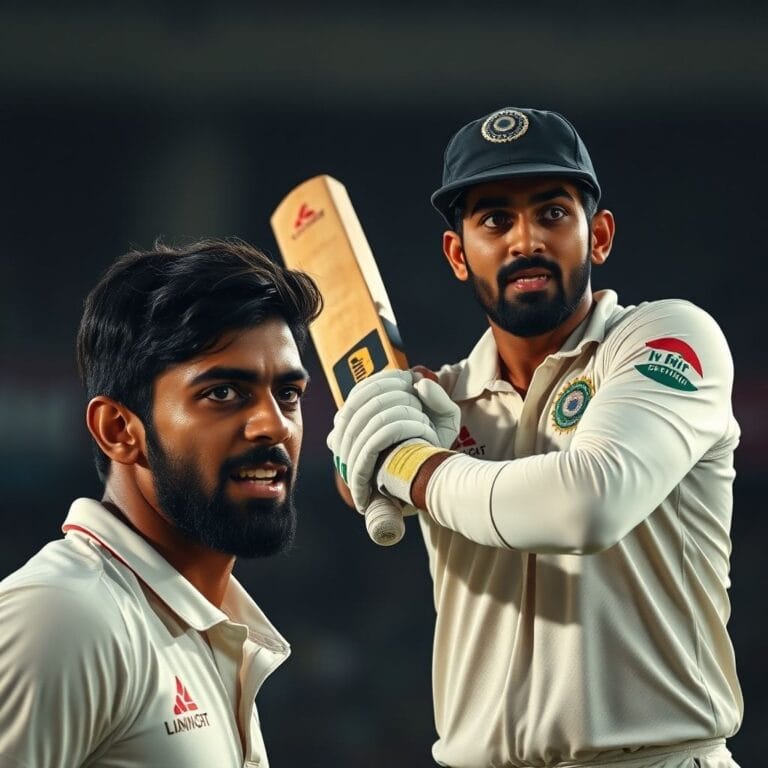
RCB vs DC Showdown at Chinnaswamy: Tactical Breakdown and Match Preview
RCB vs DC Showdown at Chinnaswamy: Tactical Breakdown and Match Preview
The showdown between Royal Challengers Bengaluru and Delhi Capitals at the Chinnaswamy Stadium is more than just another IPL fixture – it is a litmus test for two very different season narratives. RCB are defending champions looking to cement their home dominance, while a faltering Delhi side hopes to snap a two‑match losing streak and keep their playoff hopes alive.
The Stats Behind the Strategy
| Metric | RCB at Chinnaswamy (2026) | DC at Chinnaswamy (2026) |
|---|---|---|
| Average 1st‑innings score | 197 | 188 |
| Powerplay run rate (runs per over) | 9.2 | 8.7 |
| Wickets lost in first 6 overs | 1.3 | 1.7 |
| Economy of pacers in death (16‑20 overs) | 8.8 | 9.4 |
What the numbers reveal is a clear bias towards big totals when the home side wins the toss and puts the visitors in. RCB’s bowlers have been able to keep the powerplay tight enough to give the chase a manageable target, while their death‑overs have improved dramatically compared with the early season.
Delhi, on the other hand, has struggled to build momentum after the powerplay. Their average wickets lost early suggests a vulnerability that RCB will aim to exploit with Hazlewood’s seam movement and the swing of Bhuvneshwar Kumar.
Match context and why the toss matters
Chinnaswamy’s altitude means the ball travels faster; the short boundaries turn any lofted shot into a boundary. Historically, teams winning the toss elect to bowl first, hoping to set a target that the dew‑laden second innings will make easier to chase. The recent pattern this season mirrors that trend – the side fielding first has a 70% win rate here.
RCB’s captain Rajat Patidar, a shrewd decision‑maker, will likely send his bowlers in first, trusting his pace attack to make early inroads. Delhi’s captain Axar Patel, a left‑arm spinner, may be tempted to reverse the norm, believing that his spin can capitalize on the night‑time dew to stifle RCB’s chase. The decision will hinge on how much confidence each side places in their bowlers’ ability to contain runs on a flat deck.
Tactical analysis – bowling plans
RCB’s first‑innings strategy will centre on short‑run, high‑line bowling in the powerplay. Hazlewood’s ability to generate a few extra metres off the pitch, combined with Kumar’s elbow‑high swing, can keep the opening pair – Pathum Nissanka and KL Rahul – from settling. A well‑executed yorker bucket in the final two overs should curb the run‑rate, preventing Delhi from crossing the 200‑run mark.
If Delhi gets to bowl first, they will lean heavily on their pace duo – Lungi Ngidi and Mitchell Starc – to exploit any early seam movement. The low bounce at Chinnaswamy means a good length ball is deadly, especially if backed up with a subtle slower‑ball mix. Kuldeep Yadav will be their secret weapon in the middle overs; his wrist spin on a dry surface can force a mistake from the aggressive RCB top order.
Player roles and mindset
Virat Kohli, now in a mentoring phase, will anchor the innings with calculated aggression. His experience at this venue – where he has a personal best of 138* – gives him a clear idea of when to accelerate and when to rotate strike. The younger guns like Devdutt Padikkal will be encouraged to play their natural game, using the short boundaries to clear the rope in the 14‑16 over window.
For Delhi, KL Rahul’s dual role as keeper‑batsman and occasional bowler adds flexibility. He will likely open the chase if the toss goes his way, aiming to set a platform before the dew makes his gloves slippery. The explosive Pathum Nissanka, accustomed to grass‑like wickets in Sri Lanka, will need to adapt his timing to the quicker, bouncier surface; a failure to do so could see an early wicket.
Both teams possess all‑rounders who can shift the balance – Krunal Pandya for RCB with his big‑hitting and handy medium pace, and Axar Patel for Delhi, whose left‑arm orthodox spin can be deadly on a damp outfield.
Tournament impact
A win for RCB will push them to 9 points, keeping them within two wins of a guaranteed playoffs spot. A loss, would open the door for Chennai Super Kings to leapfrog them, tightening the race for the top‑four.
Delhi’s season hinges on this match. A victory lifts them to 6 points, reviving a realistic chance of a final‑day qualification push. A defeat leaves them at 4 points, making the remaining fixtures a must‑win marathon against the likes of Mumbai Indians and Rajasthan Royals.
Fan perspective and grounded opinion
From the stands and social feeds, the sentiment is split. RCB supporters are buzzing about the home advantage, citing the “batters’ paradise” and the confidence the side has shown in the first five games. Delhi fans, bruised by the recent back‑to‑back losses, are urging patience – they remind everyone that the Capitals have a deep bench and that a single match should not define the season.
My gut feeling, based on the numbers and the conditions, leans toward a bowl‑first victory for the side that wins the toss. The dew factor tilts the scales heavily in favor of the chasing team, and both sides have the firepower to chase 190‑plus. If RCB clinch the toss, they’ll likely defend a modest target by restricting Delhi’s powerplay; if Delhi get the toss, a disciplined RCB chase could see them overrun the total in the final overs.
Regardless of the outcome, this match will be a benchmark for how teams adapt to Chinnaswamy’s dual nature – flat but unforgiving. The winning side will be the one that reads the pitch early, rolls out the right bowlers at the right time, and executes a clear game plan under pressure.