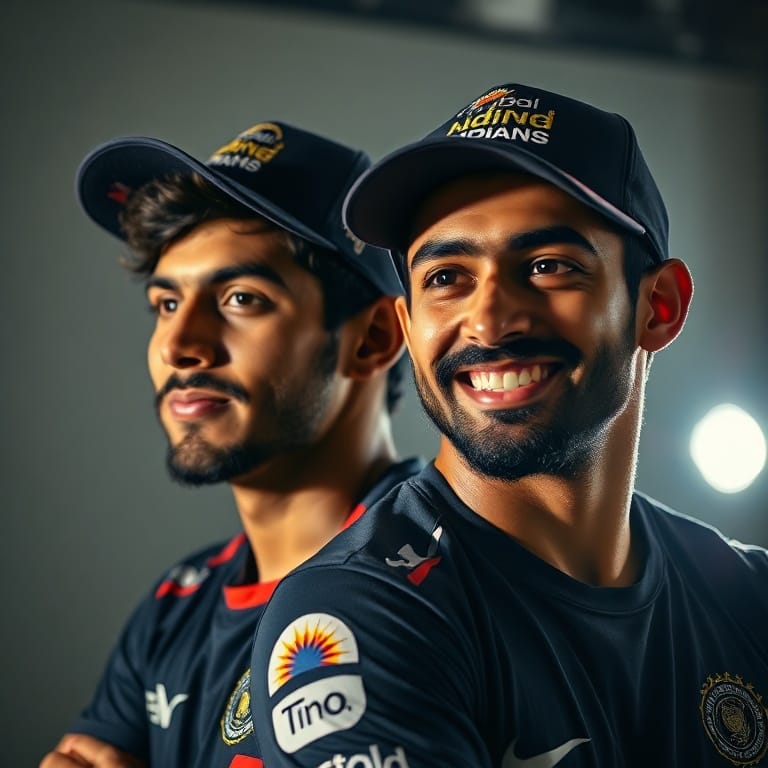
Bumrah’s Captaincy Debut Sparks Revival for Mumbai Indians in Thrilling Win
Bumrah’s Captaincy Debut Sparks Revival for Mumbai Indians in Thrilling Win
Mumbai Indians snapped a three‑match losing streak with a nail‑biting six‑wicket win over Punjab Kings in Dharamsala, while fast‑bowling ace Jasprit Bumrah stepped up as stand‑in skipper for the first time in his IPL career. The win mattered because it revived MI’s playoff hopes and gave Bumrah a platform to discuss his own captaincy ambitions.
The match unfolded under the shadow of the Himalayan foothills, where the Dharamsala pitch traditionally offers a mix of seam movement early on and a slower, lower‑bounce finish. MI’s decision to hand the reins to Bumrah came after Hardik Pandya’s back spasm and Suryakumar Yadav’s personal absence forced the side to reshuffle both batting order and on‑field leadership.
Match Overview and Tactical Shifts
Punjab Kings posted 200/8, largely built on Prabhsimran Singh’s steady 45 and a late surge from the lower middle order. The Dharamsala surface had taken the sting out of the new ball, prompting PBKS to rely on spin in the death overs. For MI, the early overs were about containment. Shardul Thakur, who earned the new‑ball duties, exploited the subtle seam, ending with figures of 4/39.
When Bumrah walked into the captain’s circle, his first move was to keep the front‑footers in place. He stuck with the opening pair of Rohit Sharma and Naman Dhir, trusting their ability to negotiate the early swing. The real gamble was at No. 4 – promoting Tilak Varma ahead of established hitters. That call paid off handsomely: Varma detonated 75* off 33 balls, anchoring the chase and keeping the required run‑rate in check.
On the bowling front, Bumrah’s own spell was short but potent. He bowled five overs, picking up two wickets for 27 runs, and most importantly, he held the line in the final overs, preventing PBKS from building a late surge. The decision to use seasoned all‑rounder Hardik Pandya as a finishing bowler, even with a back issue, showed Bumrah’s willingness to back experience over caution.
Player Roles and Mindset
Tilak Varma’s innings was a masterclass in modern limited‑overs batting. He chose to target the short fine‑leg boundary and the mid‑wicket region – zones that the Dharamsala pitch rewards when the ball stays low. His strike rate of 227 reflected a clear game plan: dominate the spinners, rotate the strike, and accelerate in the last ten balls.
William Jacks, the England import, handled the pressure of the final over with aplomb. Scoring an unbeaten 25 off just ten deliveries, Jacks displayed a blend of power hitting and smart placement, a useful skill set for any side playing under thin air and a slightly slower outfield.
Shardul Thakur’s spell was a textbook example of using the new ball on a seam‑friendly surface. He kept a tight line outside off‑stump, forcing PBKS’s openers into defensive strokes and inducing edges. His discipline set the tone for the innings and gave MI a psychological edge.
The Stats Behind the Strategy
| Player | Runs | Balls | Strike Rate | Bowling | Econ |
|---|---|---|---|---|---|
| Tilak Varma | 75* | 33 | 227.27 | – | – |
| William Jacks | 25* | 10 | 250.00 | – | – |
| Shardul Thakur | – | – | – | 4/39 (4 overs) | 9.75 |
| Jasprit Bumrah | 7 | 6 | 116.66 | 2/27 (5 overs) | 5.40 |
| Prabhsimran Singh (PBKS) | 45 | 32 | 140.62 | – | – |
The numbers illustrate why Bumrah’s risk‑on approach worked. Tilak’s explosive run‑rate set the chase on fire, while Thakur’s low economy kept the target manageable. Bumrah’s own economy of 5.40, well below the innings’ average, gave MI the breathing space needed for the final overs.
Impact on the Tournament and What Lies Ahead
With the win, MI moved back into the top four, turning the momentum in their favour as the league edges toward the knockout stage. Bumrah’s impromptu captaincy also sparked conversations about his potential role in the national side. His candid remarks – “I’ve captained Tests and T20s, ODI remains the last frontier” – hint at a desire to steer India’s limited‑overs ship, even if the current hierarchy may not immediately accommodate him.
For PBKS, the loss exposes a reliance on the lower order to finish games. Their bowlers struggled to adapt to the slower second‑innings surface, and the fielding unit missed a few crucial run‑out opportunities. The team will need to reassess their death‑over strategies if they hope to stay alive in the points table.
Fans’ Take and Grounded Opinions
On social platforms, MI supporters praised the decision to hand the captaincy to Bumrah, citing his calm demeanor and cricketing IQ. Many fans pointed out that his approach of “lead by example” resonated with the team’s recent revival. Critics, warned against over‑hyping his ODI captaincy ambitions, reminding followers that the national selectors look for a different skill set in limited‑overs leadership.
From the stands in Dharamsala, the crowd’s reaction to Varma’s six‑hit off Yuzvendra Chahal was a highlight. The roar that followed echoed across the valley, encapsulating the emotional lift the city feels when a match turns into a showcase of power hitting.
the match provided a microcosm of the league’s evolving narrative: young talent stepping up, veterans adapting roles, and the constant tug‑of‑war between strategy and spontaneity. As the IPL marches toward its climax, expect more surprise captaincy calls and a few more stories like Bumrah’s that blur the lines between player and leader.