RCB’s Early Swing and Yorkers Crush Delhi Capitals in IPL 2026
RCB’s Yorkers and Early Swing Stun Delhi Capitals
The showdown at Arun Jaitley Stadium saw Royal Challengers Bengaluru dismantle Delhi Capitals in a power‑play blitz that left fans gasping. Bhuvneshwar Kumar’s textbook yorker on debutant Sahil Parakh sparked a cascade of wickets, turning a routine T20 contest into a case study of disciplined bowling under pressure.
The Stats Behind the Strategy
| Metric | RCB | DC |
|---|---|---|
| Powerplay wickets (0‑6 overs) | 5 | 0 |
| Economy rate (first 10 overs) | 4.2 | 9.8 |
| Yorker success rate (deliveries < 30% of length) | 22% | 4% |
| Early swing (first 15 balls) | 8 wickets | 1 wicket |
Those numbers tell a simple story: RCB squeezed every ounce of movement out of the morning damp, while Delhi’s top order never found a rhythm. The five wickets in the powerplay lowered the required run‑rate to a manageable 7.5, but the real damage was done by the mental shock of a dead‑eye yorker at the very start.
Tactical Blueprint
RCB’s captain, Rajat Patidar, entered the field with a clear game‑plan: attack the stumps, use the early swing and make the opposition chase a low total. The decision to open with Bhuvneshwar, a bowler famed for his ability to swing the ball late, was intentional. The dusty morning air at Arun Jaitley tends to hold moisture longer than other IPL venues, giving seamers extra grip.
After the opening burst, Patidar rotated Hazlewood and the domestic seamer Yashasvi Jaiswal in alternating spells. Hazlewood’s role was simple – maintain a disciplined line just outside off, forcing the batsmen to play across the line. The field was set with a short‑leg and a slip outside off, reflecting the aggression to trap edges. The fourth bowler, a left‑arm wrist‑spinning all‑rounder, was held in reserve for the middle overs, but the early onslaught meant he never got a chance.
Player Mindset and Roles
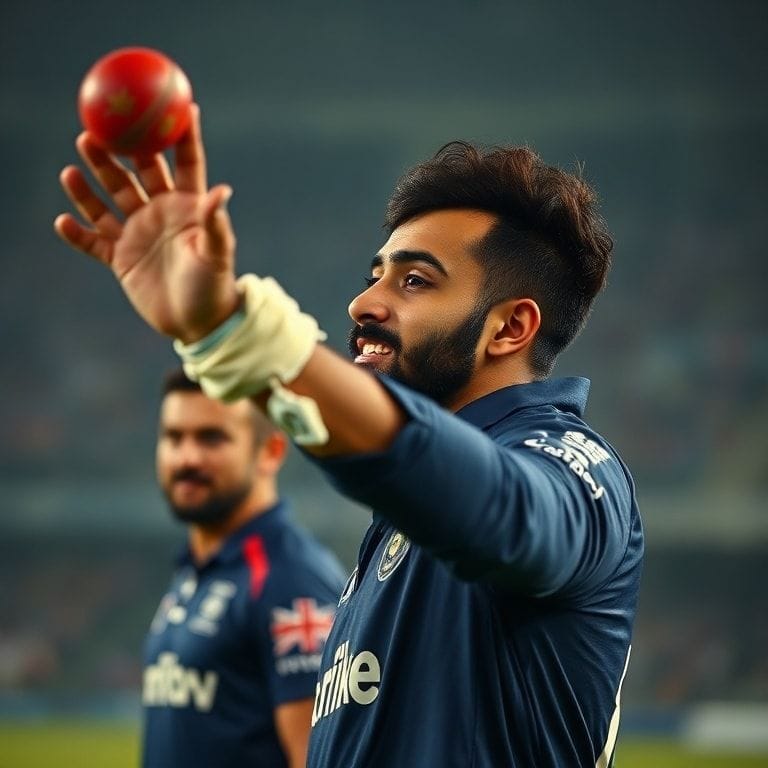
Bhuvneshwar began the innings with the confidence of a veteran who knows the value of a first‑ball wicket. The target was clear: put a debutant under the lights and watch the ripple effect. His inswinging yorker to Parakh was a blend of precision and instinct – the ball arrived at the base of the stumps with just enough seam to dip. For Parakh, the pressure of a debut on a high‑stakes IPL night coupled with a bowling attack that had already taken three wickets was a cocktail too strong to swallow.
Hazlewood’s mindset was about consistency. He delivered 18 consecutive dot balls in the second spell, building a wall of pressure that forced Delhi’s middle order into risky lofted shots. The Australian’s hard‑run delivery pool – a mix of back‑of‑a‑length and short‑ball – kept the batsmen guessing and prevented them from settling into any partnership.
On the batting side, DC’s openers tried to play the swing but were out‑foxed by the early movement. When they attempted a classic drive, the ball swung back in, edging to the waiting slip. The mental weight of a 45/7 score by the 10th over meant every subsequent batsman came in with the knowledge that a single mistake could end the innings.
Impact on the Tournament
RCB’s dominant display not only boosted their net run rate but also sent a clear message to the rest of the league: their pace unit can dismantle any top order when the conditions cooperate. The win propels them into the top three, a must‑have for a direct route to the playoffs.
For Delhi Capitals, the loss is a wake‑up call. Their coach will need to reassess the opening partnership, perhaps considering a more experienced hand at the top. The collapse also underscores the need for a plan B when early swing threatens to bite. The Capitals still have talent, but they must adapt quickly if they are to stay in contention.
Fan Perspective
The social‑media chatter after the match was a mix of awe and disbelief. Fans praised Bhuvneshwar’s “toe‑crushing” delivery, calling it one of the tournament’s finest moments. RCB supporters were quick to point out that the victory was a statement of intent, especially after a narrow loss in the previous encounter.
Delhi fans, on the other hand, expressed frustration. Many felt the early conditions should have been a factor in the toss decision, questioning why the Capitals chose to bat first. The disappointment was palpable, with several calling for a change in the batting order before the next match.
What Comes Next?
RCB’s next challenge is a clash against the Chennai Super Kings, a team known for their strong death‑over batting. Patidar’s side will need to keep the pressure on early, then rely on their death bowlers to curb a formidable chase. For Delhi, the immediate focus shifts to the next fixture against the Punjab Kings, where a fresh opening partnership could rebuild confidence.
In the grand scheme of IPL 2026, this match illustrates how a single delivery can tilt the balance of an entire tournament. Bhuvneshwar’s yorker will be replayed across highlights reels, but the deeper story is about preparation, conditions, and the willingness of RCB’s bowlers to execute a bold game‑plan from the very first ball.
Cricket Desk: Want more on Bhuvneshwar Kumar? Check out our Bhuvneshwar Kumar Latest News & Stats.