Angkrish Raghuvanshi obstruction out fine and IPL impact
Angkrish Raghuvanshi’s Obstruction Outburst: Discipline, Drama, and IPL Impact
Angkrish Raghuvanshi’s angry outburst after a controversial obstructing-the-field dismissal has drawn a fine and a demerit point from the IPL board. The incident sparked heated debate about the law, team discipline and how the decision may shape the rest of the season.
What went down at the Eden Gardens showdown
The clash between Lucknow Super Giants and Kolkata Knight Riders was already a roller-coaster when the fifth over saw Raghuvanshi, batting on nine off seven balls, try to steal a quick single. A mis-communication with his partner forced him to turn back, only to be hit on the pads by a sharp throw from Mohammed Shami. Lucknow appealed, the TV umpire reviewed the footage and ruled Raghuvanshi out for obstructing the field, citing a change in his running line that interfered with the throw.
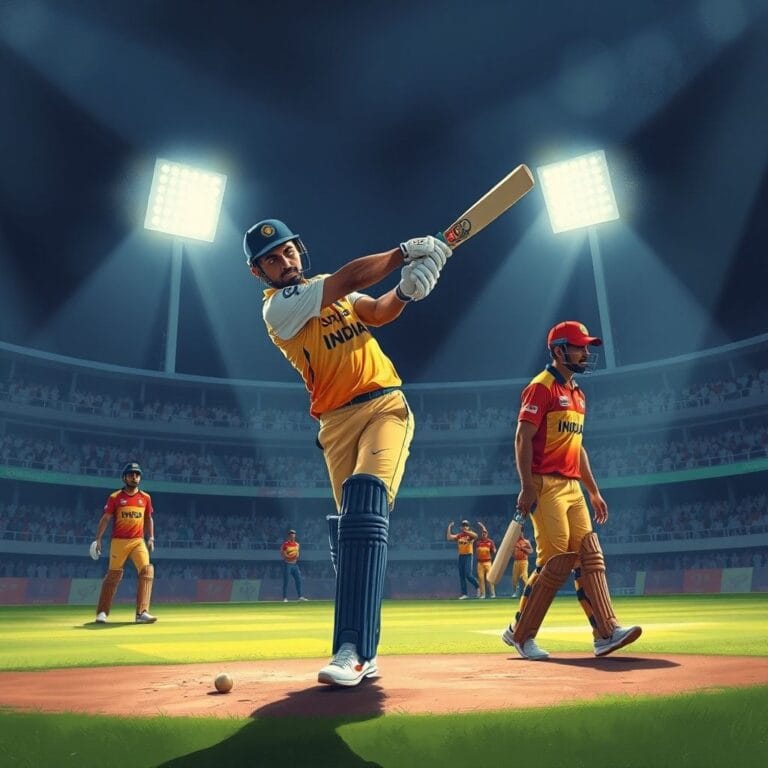
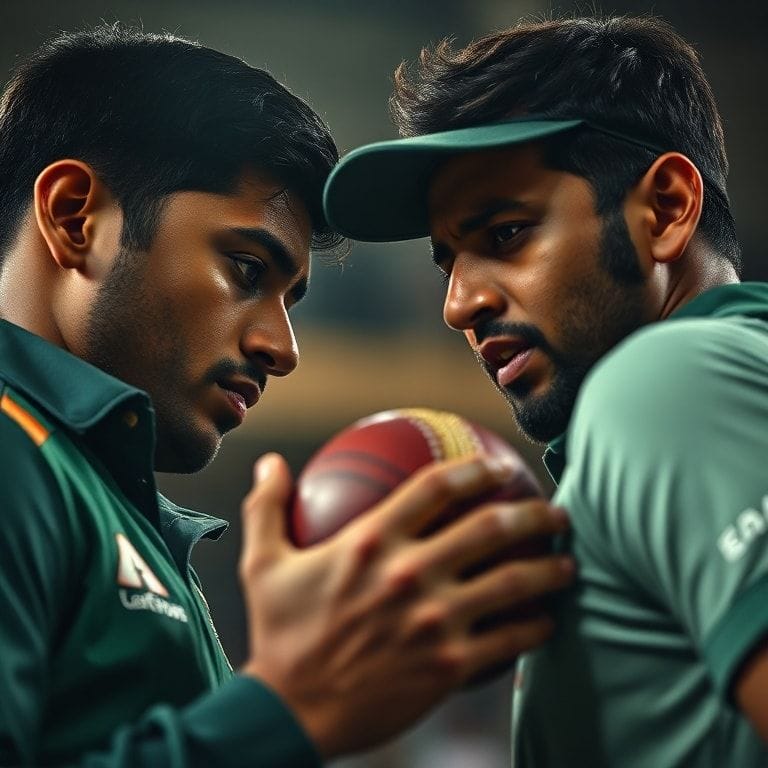
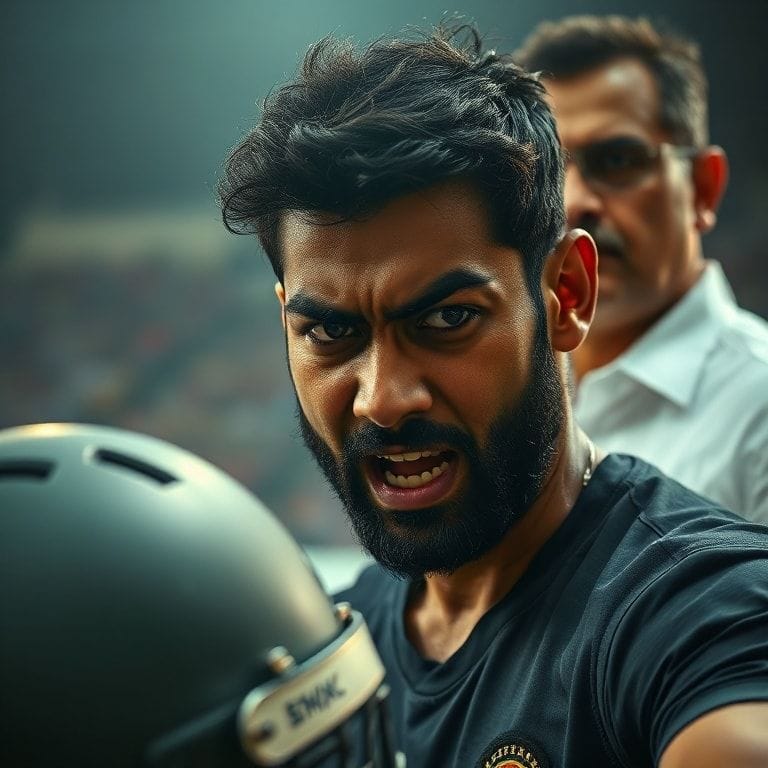
Raghuvanshi’s reaction was immediate – a bat swung at the boundary cushion, a helmet tossed toward the dugout, and a heated exchange with the on-field umpires. KKR’s coaching staff, including Shane Watson and head coach Abhishek Nayar, were also seen voicing displeasure. The league’s disciplinary panel later fined him 20% of his match fee and added a demerit point under a Level 1 code-of-conduct breach.
The Stats Behind the Strategy
| Metric | Lucknow (LSG) | Kolkata (KKR) |
|---|---|---|
| Runs scored before dismissal | 32/0 | 9/1 |
| Boundary cushion hits (team) | 1 | 2 (including Raghuvanshi) |
| Throw accuracy to pads (Shami) | 93% | — |
| Obstructing-the-field calls in IPL 2026 (till date) | 4 | 1 (Raghuvanshi) |
Lucknow’s early aggression gave them a modest total, but the incident halted KKR’s momentum. The two boundary-cushion strikes by Raghuvanshi turned into a discipline story, while Shami’s 93% accuracy on that crucial throw reminded everyone that fielding intensity can rewrite innings.
Tactical angles & team choices
KKR had opted for an aggressive top-order plan, sending Raghuvanshi up the ladder after a steady start from the openers. The decision to push for a single in the fifth over reflected a desire to keep the run rate high before the powerplay ended. Yet the lack of clear communication between the batting partners introduced risk. A more conservative approach – waiting for the sixth over when the field spreads – might have avoided the run-out scenario.
On Lucknow’s side, the decision to field Shami as the fifth-over bowler paid off. His ability to generate pace and accuracy from the new ball made the throw to the non-striker’s end a game-changing moment. The team’s field placement, with a deep fine-leg and a crisp back-up, forced Raghuvanshi into a scramble.
Player mind-set and the law
For a 22-year-old like Raghuvanshi, the frustration of feeling robbed of a potential 30-run partnership can be overwhelming. The instinct to vent – swinging the bat, flinging the helmet – is understandable, yet the IPL’s code makes clear that equipment abuse is a punishable offence. By accepting the sanction, Raghuvanshi signalled a willingness to learn, but the episode highlights the mental pressure young players face in high-stakes T20 environments.
Lucknow’s Shami, meanwhile, demonstrated composure under pressure. His decision to aim at the pads rather than a direct run-out attempt showed a nuanced understanding of the obstructing law – a ball that hits the striker’s leg is less likely to be called a run-out, but if the striker alters his path deliberately, the umpire can still deem obstruction.
Impact on the IPL 2026 race
Kolkata sits near the bottom of the table, needing wins to stay afloat. Losing Raghuvanshi for a match after the fine could force the team to reshuffle their middle order, perhaps promoting a more experienced hand. The demerit point, while not an immediate ban, adds to a cumulative tally that could affect player availability later in the season.
Lucknow, on the other hand, gains a morale boost. The win, paired with a high-profile dismissal, underscores their fielding standards and may influence other teams to tighten their communication on the field.
What the fans are saying
Social media erupted with split opinions. Some fans defended Raghuvanshi, calling the decision “harsh” and arguing that the obstruction was accidental. Others applauded the league’s strict stance, noting that “players need to keep cool, helmet tossing is not acceptable.” The debate has reignited interest in the obstructing-the-field rule, a rarely highlighted part of cricket law.
Inside the stadium, the crowd’s reaction was mixed – a roar when the wicket fell, followed by a murmur as Raghuvanshi’s frustration unfolded. The incident will be replayed on highlight shows for weeks, giving both teams a new talking point beyond runs and wickets.
Looking ahead
KKR must decide whether to keep Raghuvanshi in the side after the sanction or bench him to protect the squad’s chemistry. The coaching staff may work on communication drills during practice, ensuring batsmen have clear call signals. For Lucknow, the win reinforces the value of disciplined fielding; they’ll likely maintain the same bowling strategy in the upcoming fixtures.
The IPL board’s quick action sends a message that equipment abuse will not be tolerated, even in the heat of the moment. As the season unfolds, we can expect more scrutiny on player conduct, especially as the playoff battle tightens.
Cricket Desk: Want more on Angkrish Raghuvanshi? Check out our Angkrish Raghuvanshi Latest News & Stats.