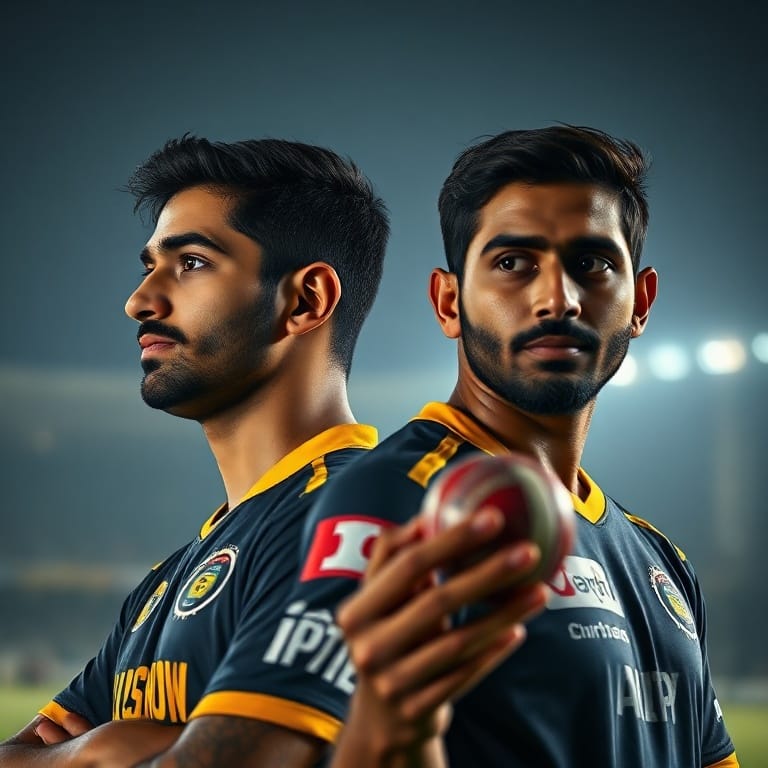
Lucknow’s Tactical Shift: Why Mayank Yadav Sat Out Against Chennai
Lucknow’s Tactical Shift: Why Mayank Yadav Sat Out Against Chennai
The 53rd match of IPL 2026 saw Lucknow Super Giants leave out their strike bowler Mayank Yadav against Chennai Super Kings at Chepauk. The decision sparked debate because it touched on injury management, pitch reading and the chase for a top‑four finish.
The Stats Behind the Strategy
| Player | Overs bowled in last 5 matches | Average economy on dry pitches | Wickets per match |
|---|---|---|---|
| Mayank Yadav | 22 | 7.8 | 1.2 |
| Avesh Khan | 20 | 7.2 | 1.5 |
| Mohammed Shami | 18 | 7.6 | 1.3 |
Mayank’s economy climbs when the surface offers bounce, a trait of the Lucknow and Bengaluru grounds. Chepauk, on the other hand, rewards slower outswing and pinpoint yorkers – a skill set Avesh has demonstrated with a 7.2 run rate on similar wickets.
Tactical Lens: Why the Rotation Made Sense
Lucknow’s coaching bloc entered the toss aware that Chennai would likely field a power‑play lineup heavy on spin. Rishabh Pant, the captain, said the goal was to keep the bowling attack balanced across all four phases. By slotting Avesh into the first over, LSG could open with a controlled line, saving Mayank for the death overs when the ball is older and the pitch fizzles.
In addition, Mayank’s recent spell against Royal Challengers Bangalore featured four high‑intensity overs that left him with a lingering niggle in his lower back. The team’s medical staff flagged a small stress‑fracture risk, prompting a precautionary rest. The rotation also allowed Josh Inglis to return, giving the top order a steady hand after his injury hiatus.
Player Roles and Mindset
Rishabh Pant, who often toggles between wicket‑keeping and aggressive batting, has taken on a more vocal leadership role. His public reassurance about giving “200%” reflects a mindset of collective ownership – a message to the squad that every player, starter or bench, has a part in the chase.
Avesh Khan entered the game with a clear brief: bowl the first ten overs with a mix of yorkers and slower deliveries, then shift to a more attacking plan in the middle overs. His past performances on Chennai’s dry strip have shown an ability to lock down the run rate while still picking up crucial wickets.
On the opposite side, Chennai’s captain Ruturaj Gaikwad chose to bowl first, a decision that aligns with the team’s strength of restricting opponents before their power hitters settle. The strategy hinges on getting early breakthroughs from the likes of Jamie Overton and Dewald Brevis, who can swing the ball and then unleash pace on a tiring pitch.
Impact on the Tournament Landscape
With both sides hovering around the fourth and fifth spots, every point matters. A win for Lucknow could push them into a semi‑final berth, while Chennai aims to cement its place in the top four before the final league round.
The rotation gamble paid off for Lucknow as Avesh’s tight spell kept Chennai under 150, setting up a chase that their middle order managed with composure. The decision to rest Mayank also preserved his fitness for the crucial knockout stage, where the team may need his raw pace on a faster, dew‑laden surface.
Fan Perspective and Grounded Opinions
Supporters in Lucknow’s hometown social feeds expressed mixed feelings. Some lamented the loss of a fireworks bowler, while others praised the cautious approach, pointing out Mayank’s recent injury headlines.
Chennai fans, on the other hand, celebrated the early wickets that validated their captain’s decision to field first. The atmosphere in the city’s cricket cafés was electric when Avesh claimed a key wicket in the powerplay, proving that experience can outweigh raw speed on certain pitches.
the match underscored a deeper truth in modern T20 cricket: squad depth and smart rotation are as vital as star power. The ability to adapt the playing XI to venue nuances without compromising team morale will likely separate the finalists from the rest.