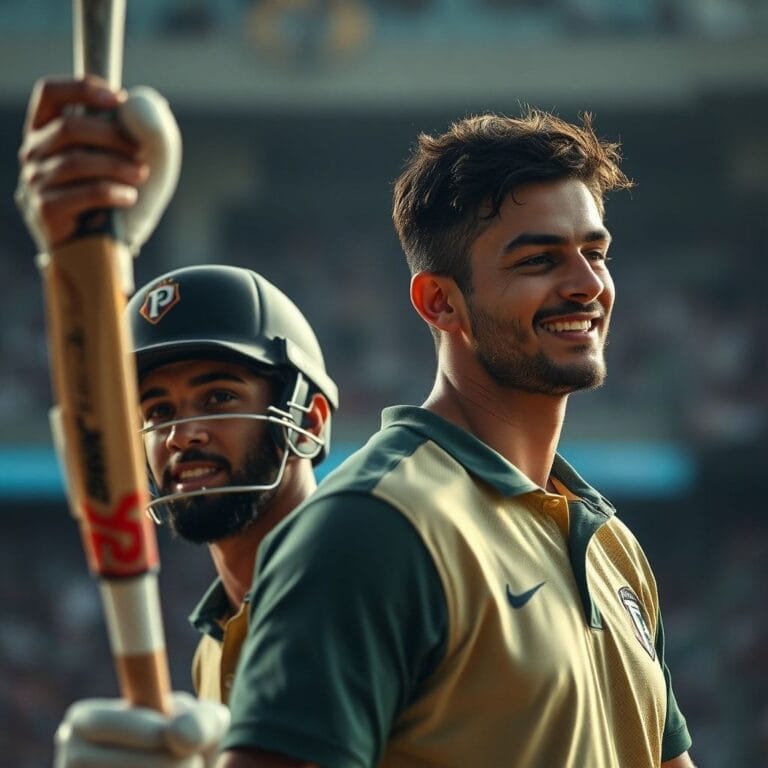
Mumbai Indians Adjust Spin Strategy After Santner Injury
Mumbai Indians Deal with Santner Injury: Tactical Shifts and Spin Rotation
Mumbai Indians have lost left‑arm spinner Mitchell Santner to a shoulder injury, a blow that deepens their early‑season woes in IPL 2026. The move forces the franchise to shuffle its spin department while the points table looms large for the five‑time champions.
What the loss means for Mumbai’s game plan
Santner was the quiet anchor in the middle overs, the bowler who could bowl a tight line and keep the run rate under control. His absence removes a player who could bowl with the new ball, swing the ball a little, and then settle into a defensive spell. The team now leans on young Indian spinners and the newly‑signed replacement, Kehsav Maharaj, to fill that gap.
The coaching staff have a clear choice: use Maharaj as a strike spinner on the slower pitches of Wankhede and bring the Indian pacers forward to fill the overs that Santner would have bowled. That decision hinges on the pitch‑behaviour that Mumbai knows well – the drop‑in speed after the 15th over and the tendency for the ball to bite a little on the turn‑friendly sections of the outfield.
The Stats Behind the Strategy
| Player | Matches (2026) | Wickets | Economy | Avg. Overs Bowled |
|---|---|---|---|---|
| Mitchell Santner | 4 | 5 | 7.20 | 4.0 |
| Kehsav Maharaj | 0* | 0 | — | — |
| Jasprit Bumrah | 6 | 9 | 6.85 | 3.8 |
| Trent Boult | 6 | 8 | 7.10 | 4.1 |
While Santner’s economy sat at 7.20, his ability to bowl four tight overs gave the captain a safety net in the death. Bumrah and Boult have been the primary wicket‑taking engines, but their economy rates creep above 7 in the middle phase, a space where a spinner could have steadied the ship.
Player and venue linking
The Wankhede Stadium, with its red soil and a surface that tends to slow after the 12th over, traditionally rewards bowlers who can extract turn and bounce. Santner’s left‑arm orthodox spin was a perfect fit; his subtle flight over a surface that grips would often tempt batsmen into a false sense of security.
Maharaj, on the other hand, has thrived on the hard, pace‑friendly pitches of Cape Town and Johannesburg, where his flatter trajectory and quicker arm‑speed generate bounce on hard tracks. In India, his success will depend on adapting to slower, grippier surfaces like those at the MA Chidambaram Stadium, where his ability to vary pace could become an asset.
How the change reshapes Mumbai’s tactics
The coaching staff have outlined a three‑phase plan. In the powerplay, they will keep the new‑ball swing specialist, Trinomoy Ghosh, and rely on the seam movement to generate early wickets. In the middle overs (11‑30), Maharaj will be given the responsibility to bowl five overs, a slight increase from the usual four, to compensate for the missing Santner.
- Use Maharaj to bowl the crucial 12th‑16th over when the ball is still relatively new.
- Deploy the Indian left‑arm spinner, Yashasvi Jaiswal, in the 20th‑25th over to keep the run rate down.
- Save a pacer for the final five overs, creating a blend of speed and spin in the death.
This approach forces the captain to think about field placements differently. The traditional ring‑field for Santner, with a slip and short cover, will be replaced by a deeper field for Maharaj, encouraging batsmen to take risks that could lead to wickets.
Tournament impact and what comes next
At the time of Santner’s injury, Mumbai sat just above the cutoff line, with five points from seven matches. The next two fixtures – against Kolkata Knight Riders and Sunrisers Hyderabad – are on neutral venues where the pitch is expected to be a bit faster. If Maharaj can adapt quickly, Mumbai could claw back into the top four.
The biggest question is whether the team can maintain composure under pressure. The loss of an experienced overseas player can affect morale, especially when younger Indian bowlers are asked to shoulder more responsibility. A strong performance from Maharaj could restore confidence; a poor spell could see the side slipping further down the ladder.
Fans’ take and grounded opinion
On social media, the fanbase expressed disappointment mixed with a realistic outlook. Long‑time supporter Ramesh Singh wrote, “Santner was the quiet glue that held the middle overs together. Losing him hurts, but we have talented spinners waiting for a chance.” Younger fans, eager for a comeback story, rallied behind Maharaj, reminding everyone of his SA20 heroics.
From a pragmatic standpoint, the team cannot rely on nostalgia alone. The next few matches will test the depth of Mumbai’s bowling bench and the captain’s ability to rotate resources. If the side can keep the run rate below 7 in the middle overs, the chase will stay within reach, and the points table could turn in their favour.
Ultimately, cricket is a game of adjustments. Mumbai’s challenge now is to turn a setback into an opportunity for other players to step up, prove their mettle, and keep the franchise’s championship ambitions alive.
Cricket Desk: Want more on IPL 2026? Check out our IPL 2026 Latest News & Stats.