Vaibhav Suryavanshi’s Debut: Talent, Tactics, and Safeguarding
Vaibhav Suryavanshi’s Debut: Talent, Tactics, and Safeguarding
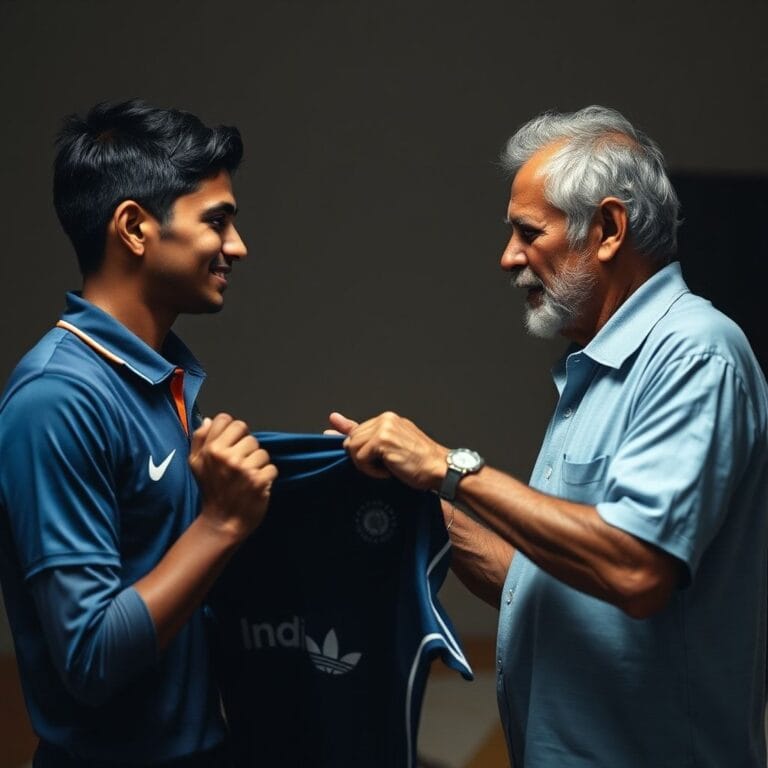
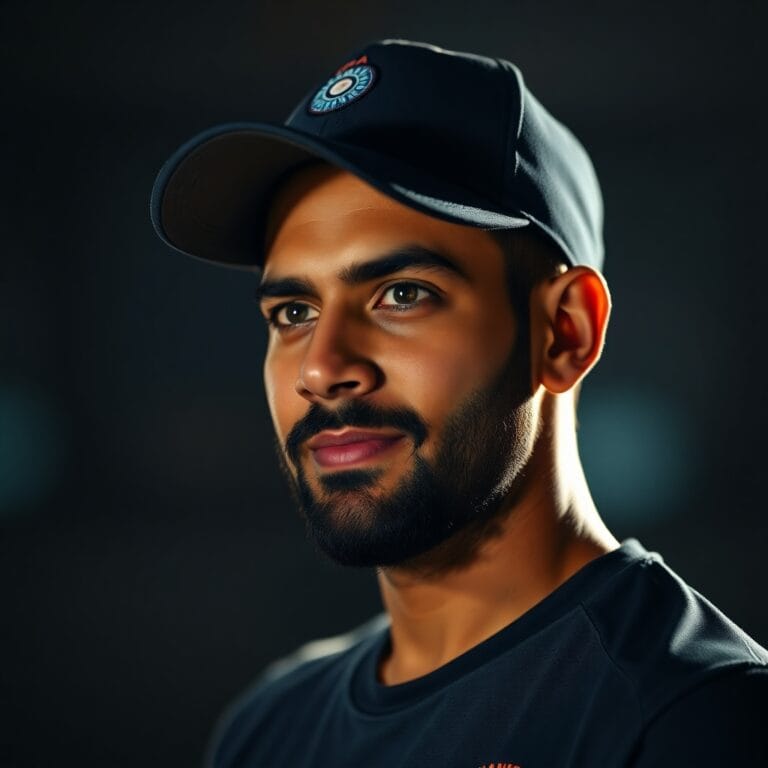
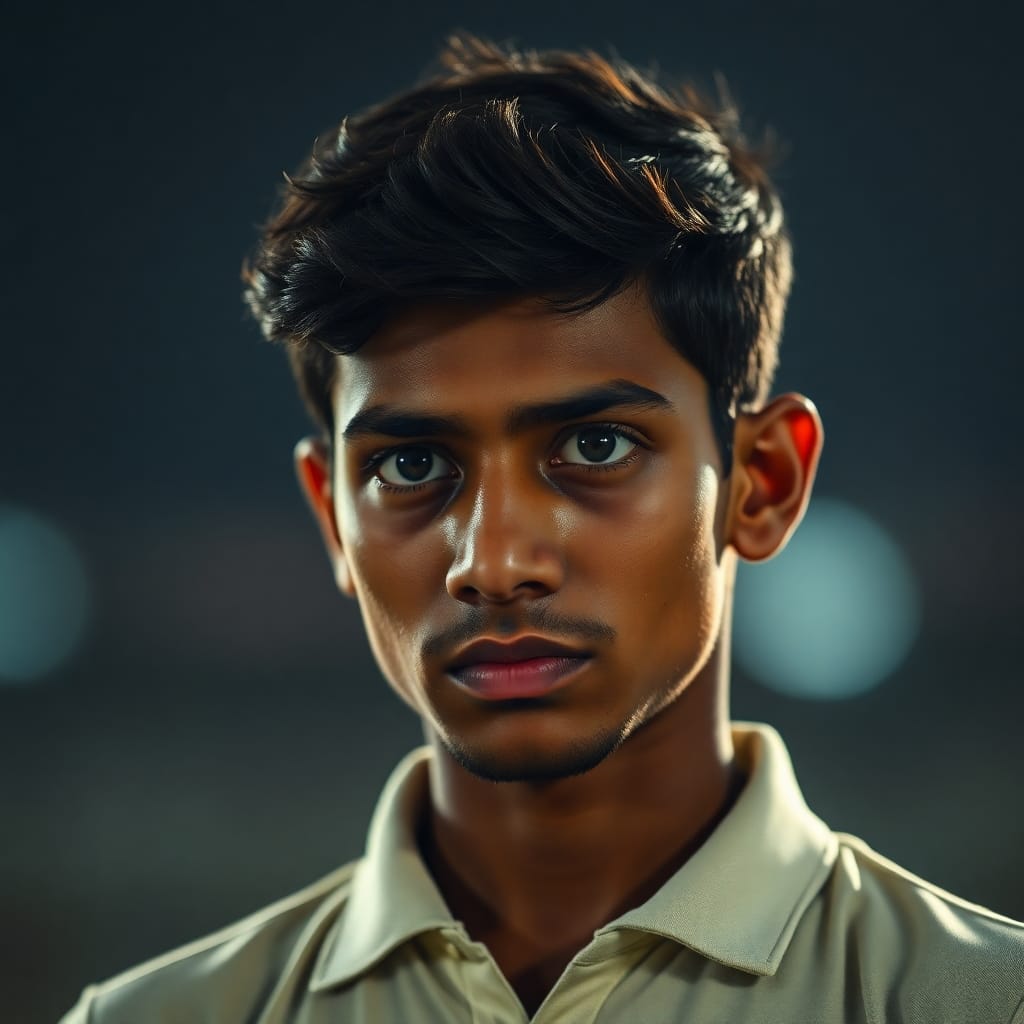
India’s white‑ball tour of Ireland and England now carries a story that goes beyond runs and wickets. Fifteen‑year‑old Vaibhav Suryavanshi will be using a separate changing room in England, a move dictated by child‑protection rules that adds a fresh layer to the excitement of his potential debut.
Tactical Overview of Squad Selection
Team India’s management faced a balancing act when they named the squad. On one side sits the chase for a winning start in the two‑match series against Ireland, on the other the need to blend youthful spark with veteran reliability for the five‑match T20I showdown in England.
Vaibhav’s inclusion is a signal that the selectors are willing to gamble on raw talent. His recent IPL burst – 450 runs at 45.00 with six sixes in ten games – tells a story of composure under pressure. The coaching staff has paired him with Rishabh Pant as a potential strike‑partner, hoping the left‑handed flair can unlock the traditionally seam‑friendly English pitches.
Alongside Vaibhav, the board added Suryansh Shedge as a backup for the injured Nitish Kumar Reddy. The strategy is clear: keep the batting order flexible, rotate bowlers to manage workload, and use the middle order as a launchpad for quick runs in the death overs.
The Stats Behind the Strategy
| Player | Age at Debut (years) | IPL 2026 Runs | Average (T20) |
|---|---|---|---|
| Vaibhav Suryavanshi | 15.2 | 450 | 45.00 |
| Sachin Tendulkar (record) | 16.6 | – | – |
| Rishabh Pant | 23.1 | 1120 | 38.33 |
| Kuldeep Yadav | 22.4 | 68 wickets | 23.5 (economy) |
The numbers show Vaibhav not only beating Tendulkar’s age record but also posting a run rate that rivals seasoned campaigners. The table underlines why the selectors are comfortable handing him a spot in the middle order – his strike rate of 140 in the IPL translates well to English conditions where big shots are at a premium.
Player + Venue Linking
England’s county grounds are known for their low‑bounce, lateral movement. Lord’s grass offers a bit of assistance to seamers early on, while The Oval’s slower, turning surface favors spinners in the latter stages of an innings. Vaibhav’s ability to play across the crease makes him a valuable tool on both types of pitches. In Belfast, the Stormont ground tends to be slower, giving his aggressive pull‑shot a better chance of finding the gaps.
Rashid Khan, who will headline the spin attack, thrives on The Oval’s grip. Pairing Rashid with a left‑handed Vaibhav can create a left‑right stretch that forces England’s bowlers to constantly adjust their lines. Similarly, on the damp, swinging conditions at Lord’s, Vaibhav’s quick footwork can nullify the seam, allowing India to settle the innings without losing early wickets.
Safeguarding Protocols and Their On‑Field Impact
UK child‑protection laws require any player under 16 to have separate changing facilities. The ICC and ECB have stipulated that Vaibhav will be escorted by his parents throughout the tour, and that the team liaison officer will coordinate his movement. This means he will miss the camaraderie of a shared dressing room, but he will still attend all strategy huddles and match‑day briefings.
From a psychological perspective, the separation could be a double‑edged sword. On one hand, it shields him from potential off‑field distractions; on the other, it isolates him from the team’s informal bonding rituals that often translate into on‑field chemistry. The management’s plan to place his parents in the same hotel aims to offset that by providing a familiar support base.
Tournament Impact and What Comes Next
If Vaibhav cracks the top three in the first two games against Ireland, the momentum will carry into England. A solid start can cement his place for the subsequent three‑match ODI series, where his ability to rotate the strike will be crucial in longer formats.
India’s top order will likely remain anchored by Rohit Sharma and KL Rahul, with Vaibhav slotting in at number five or six. Should he deliver a half‑century on a tricky English pitch, the narrative will shift from “young prodigy” to “match‑winner,” forcing other nations to rethink their approaches to teenage talent.
The next challenge for the board is handling media scrutiny. After his debut, every mis‑step – be it a dropped catch or a slow run‑rate – will be magnified. The way India’s senior players mentor Vaibhav in this high‑pressure environment could set a precedent for how future under‑16 stars are integrated into senior squads.
Fan Perspective and Grounded Opinions
Supporters across the subcontinent are buzzing with excitement, but there is a pragmatic undercurrent. Many fans appreciate the protective measures, recognizing that a 15‑year‑old thrust into international glare needs a safety net. Others worry that the separate changing room might affect his confidence, arguing that full immersion with the squad is essential for rapid growth.
On social media, hashtags like #VaibhavDebut and #SafeHands dominate conversations. A poll on a popular cricket forum showed 62% of respondents believing the age‑specific protocol will help him focus on his game, while 38% fear it could make him feel like an outsider.
In the end, the real test comes on the field. If Vaibhav can score 40‑plus runs in the first match at Stormont, the narrative will tilt in his favor, and the separate dressing room will be a footnote rather than a headline. If he struggles, critics will point to the isolation as a factor. Either way, his journey adds a fresh storyline to a tour already rich with anticipation.