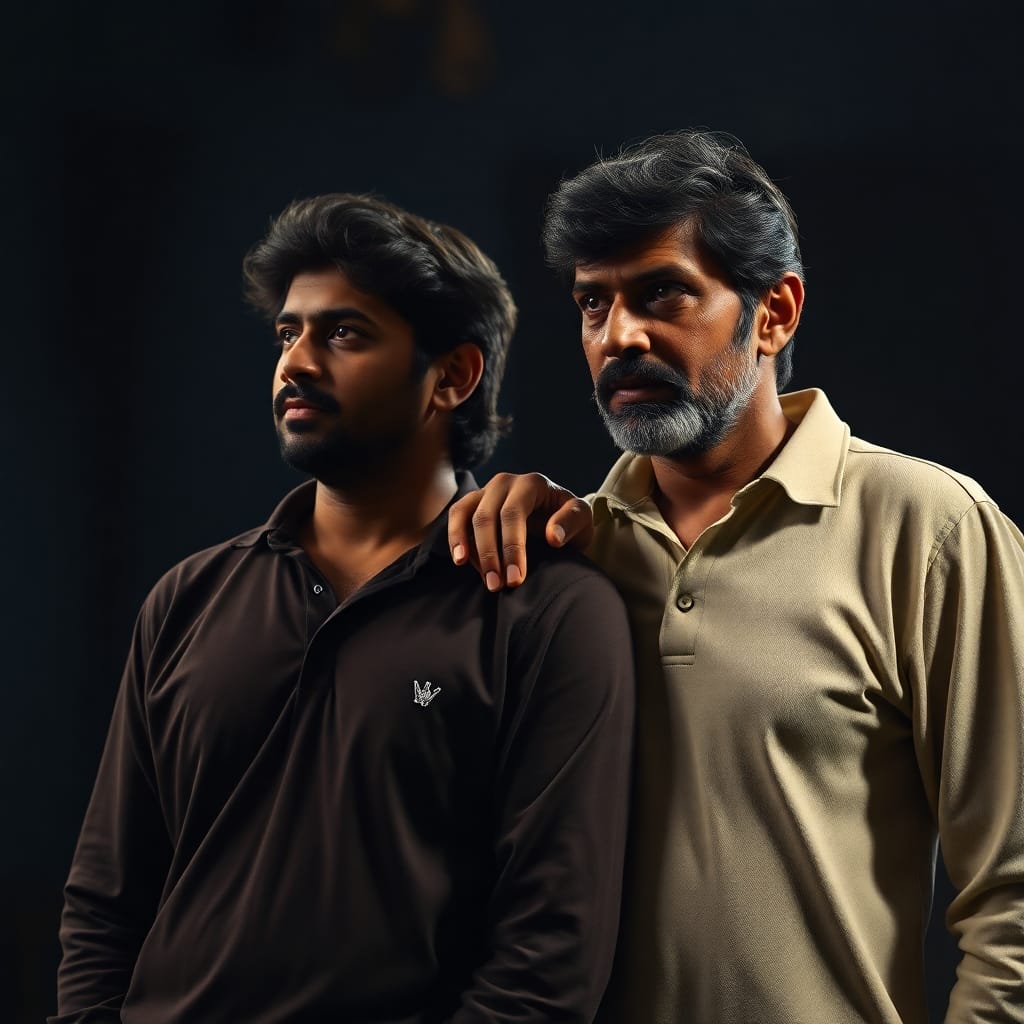
Vaibhav Suryavanshi: The Teen Sensation Ready to Shine on the Global Stage
Vaibhav Suryavanshi: The Teen Sensation Ready to Shine on the Global Stage
Vaibhav Suryavanshi’s leap from IPL orange‑cap hero to India’s youngest T20I call‑up has set the cricket world buzzing. The teenage prodigy now faces the twin challenges of adapting to English conditions and shouldering the expectations of a nation that just witnessed a 15‑year‑old dominate a premier league.
Why the Call‑Up Matters
The decision to slot Suryavanshi into the squads touring Ireland, England and the Asian Games is more than a headline. It signals a shift in how India views talent pipelines, opting to fast‑track breakthrough performers rather than waiting for traditional age milestones. At a time when the Men in Blue aim to cement their T20 dominance after the World Cup win, injecting fresh firepower could add depth to the top order, especially as senior openers get occasional rest.
Tactical Landscape for the Upcoming Tours
England’s summer pitches, from Lord’s grass‑covered strip to the slower, seam‑friendly bouncers at Headingley, demand a batting approach that balances aggression with early footwork. India’s current opening pair—Abhishek Sharma and Sanju Samson—have thrived on a mix of lofted drives and selective manipulation of the line. Introducing a player accustomed to the hard, faster IPL surfaces adds a new variable. The board’s plan appears to be a gradual immersion: Suryavanshi will train with the senior camp, absorb the game plans, and likely slot in as a middle‑order stabiliser if the openers falter.
From a bowling perspective, England’s swing‑heavy attack led by Mark Wood and James Anderson will test the teenager’s technique against the moving ball. The coaching staff, led by batting guru Rahul Dravid, is expected to focus on leaving ball outside off‑stump and using the depth of the crease—a technique that has helped Indian youngsters transition from sub‑continental tracks to overseas venues.
Player Roles and Mindset
Vaibhav’s IPL numbers—776 runs at 58.58, with 10 fifties—show he can dominate pace and spin alike. Yet the pressure cooker of international cricket demands more than raw skill. Kapil Dev’s advice to let the boy grow at his own pace hints at a protective mindset. The BCCI’s decision to allow his parents to travel with him underscores a holistic approach: emotional stability is being prioritised alongside technical grooming.
If the team decides to give him a cameo in the Ireland T20, the role will likely be a finisher’s slot—leveraging his ability to clear the boundary after the powerplay. Against England, the coaching staff may use him as a bridge between top order and death overs, allowing senior players to navigate the new ball while he learns to play the seamer’s variations.
The Stats Behind the Strategy
| Metric | IPL 2026 | Avg. T20I Opening Score (India, 2022‑25) | England Home Average (T20, 2023‑25) |
|---|---|---|---|
| Runs per Innings | 77.6 | 84.2 | 78.1 |
| Strike Rate | 148.2 | 136.5 | 132.8 |
| Boundaries % | 62% | 55% | 58% |
The table shows Vaibhav’s strike rate comfortably outpacing the average Indian opening performance over the past few years. His boundary percentage aligns well with England’s home T20 averages, suggesting that his natural aggression could translate effectively on the slower, grass‑covered wickets where boundary placement matters more than sheer power.
Venue‑Specific Considerations
Lord’s is notorious for its “Mound” that offers extra bounce. A youngster who grew up batting on the hard, low‑bounce surfaces of the IPL will need to adjust his shot selection, favouring late‑half‑volley drives rather than taking the ball on the half‑volley. Headingley’s seam‑friendly tracks will test his back‑foot technique; the ability to rock back and use the depth of the crease, a skill honed under Dravid’s guidance, could be the difference between a quick wicket and a stabilising innings.
Conversely, Irish pitches at Malahide tend to be flatter with less lateral movement. Here, Vaibhav can unleash his natural attacking instinct, using the crease to step across the ball and find gaps in the field. This variability across venues gives India a strategic edge: rotate him according to conditions while keeping senior openers rested.
Impact on the Tournament and What Lies Ahead
India’s immediate agenda is to sweep the Ireland series and then use the experience to fine‑tune the squad for the high‑stakes England tour. A strong debut from Suryavanshi could force the selectors to reconsider the composition of the middle order for the Asian Games, where the competition features a blend of emerging talent and seasoned campaigners.
If Vaibhav handles the pressure and adds even a half‑century in any of the early matches, his marketability skyrockets, and the board may look to build the next decade around a core that includes this teenage scapegoat. On the flip side, a poor showing could trigger a retreat back to the India A setup, allowing him to regain confidence away from the glare of senior international scrutiny.
Fan Perspective and Grounded Opinions
Social media lit up the moment his name appeared on the squad sheet—some fans chanting his name in stadium aisles, others warning against turning a 15‑year‑old into a national mascot. The consensus among seasoned followers leans toward a cautious optimism: admiration for his IPL heroics, paired with an understanding that growth in the international arena is a marathon, not a sprint.
Veteran fan forums argue that giving Vaibhav a platform, even if it means a brief cameo, validates the merit‑based system that the BCCI has embraced. Critics, point to past prodigies who fizzled when thrust too early into high‑pressure games. The protective measures—parental accompaniment, gradual integration—act as a buffer, buying the youngster time to adapt while satisfying the public’s appetite for fresh talent.
In the end, the real test comes how the young batter steadies his nerves when the lights dim, the crowd roars, and the ball swings in his face. If he can stay true to his natural game while absorbing the lessons of senior cricket, India could be witnessing the start of a new era—one where teenage brilliance seamlessly merges with the seasoned wisdom of the Men in Blue.