Sunil Gavaskar Advises BCCI to Rethink Scheduling After Low Turnout in Afghanistan Series
Sunil Gavaskar Advises BCCI to Rethink Scheduling After Low Turnout in Afghanistan Series
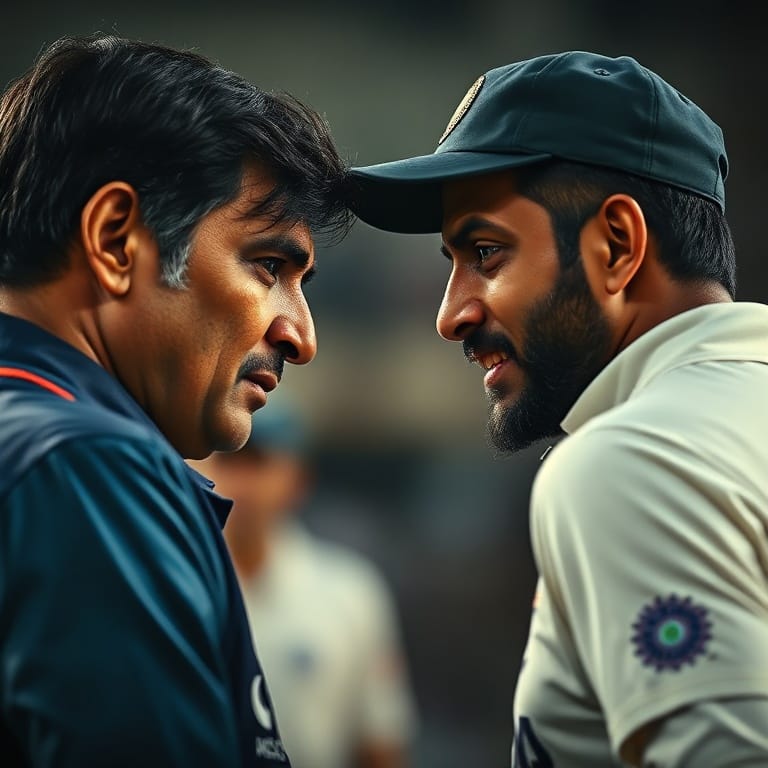
Sunil Gavaskar’s recent column has sparked a fresh debate about the Indian cricket calendar after the Afghanistan series failed to capture fan interest. The former legend’s call for a mandatory month‑long rest for contracted players raises questions about workload, national pride and the business of the game.
India’s 3‑0 white‑wash in the ODIs and a dominant performance in the lone Test demonstrated on‑field superiority, yet empty stands in Lucknow and Chennai hinted at a deeper exhaustion among spectators. The series arrived just six days after the IPL final, leaving little breathing room for players and supporters alike. Gavaskar’s plea is less about the results and more about preserving the health of the cap and the loyalty of the crowd.
The Stats Behind the Strategy
| Metric | India vs Afghanistan (2026) | Previous Home Series (2024) |
|---|---|---|
| Average attendance per match | 18,200 | 32,400 |
| ODI run rate (India) | 5.9 runs/over | 6.1 runs/over |
| Top scorer (India) | Shubman Gill – 256 runs | Rohit Sharma – 312 runs |
| Bowling strike rate (India) | 31.2 balls | 28.7 balls |
| Days between IPL final and first ODI | 6 | 12 |
The drop in attendance is stark – a 44% dip compared with the 2024 series. While the run rate remained healthy, the bowling strike rate slipped, suggesting fatigue among the seam unit. The schedule compression is evident in the six‑day gap, half the usual recovery window.
From a tactical standpoint, the BCCI opted to field a near‑full-strength XI for the ODIs, but rested Jasprit Bumrah, the spearhead of India’s attack, citing workload concerns. Bumrah’s absence forced captain Rohit Sharma to rely on a blend of youth and experience – Navdeep Saini and Mohammed Shami shouldered the new‑ball duties. The decision paid dividends in terms of match wins, yet the missed opportunity for Bumrah to add another five‑for to his record sparked a debate about the value of preserving the cap versus chasing individual milestones.
Player‑venue connections came to the fore in Lucknow, where the Ekana Cricket Stadium’s slower, low‑bounce surface favored the spin duo of Ravindra Jadeja and Yuzvendra Chahal. Their variations proved decisive in the second ODI, restricting Afghanistan to 197. In Chennai, the Chepauk pitch, known for its true bounce, allowed Shubman Gill to play his textbook cover drives, earning his maiden ODI century. Manav Suthar’s debut on the same ground highlighted how young Indian batsmen can adapt quickly to sub‑continental conditions, reinforcing Gavaskar’s point that the ‘India cap’ should be earned through performance, not rotation.
Looking ahead, the next fixtures against Ireland and England loom on a tighter calendar. If the BCCI adopts a month‑long hiatus, the team could enter those contests refreshed, potentially fielding its strongest XI without the shadow of fatigue. A rested Bumrah could then deliver the pace firepower required on the greener English wickets, while the batting line‑up, fresh from recent high scores, may maintain its momentum.
Fans, too, stand to benefit. The series’ low viewership numbers – sub‑5 million domestic TV ratings – indicate a saturation point. A deliberate pause would give broadcasters fresh storylines, while supporters regain the excitement that fuels stadium attendance. In the age of streaming, keeping the audience engaged hinges on balancing cricket’s relentless pace with moments that let anticipation build.
Gavaskar’s broader message isn’t a call to dilute the India cap; it’s a reminder that true excellence thrives when players can recover, train and return with purpose. Rotating bench players through ‘India A’ tours or the U‑19 circuit offers a pathway for talent without compromising the senior side’s competitive edge. The BCCI’s upcoming scheduling decisions will likely shape not only the health of its stars but also the narrative fans carry into the next World Cup cycle.