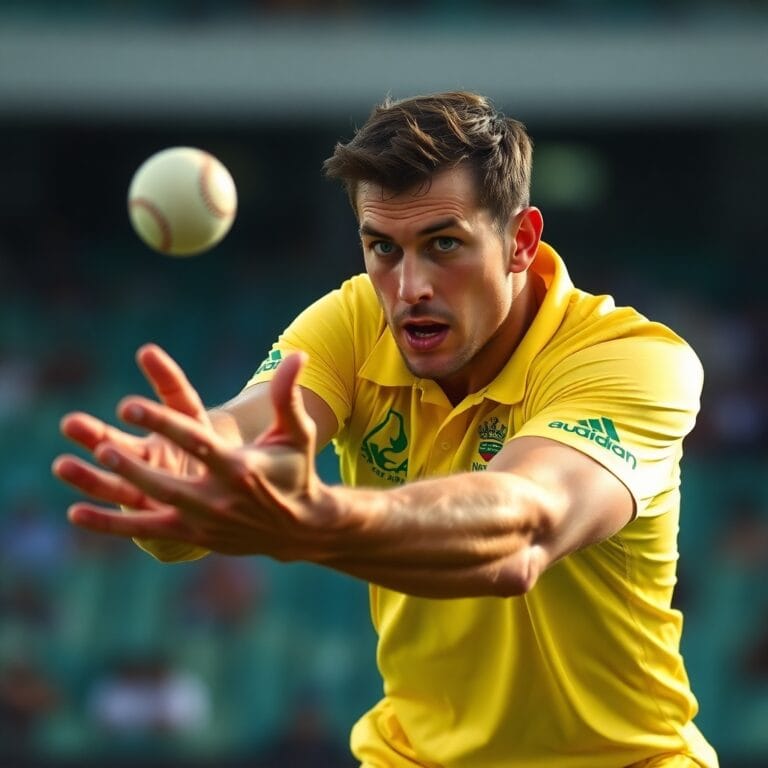
Stokes Bids Farewell: New Zealand Clinch Series at Trent Bridge
Stokes Bids Farewell: New Zealand Clinch Series at Trent Bridge
Ben Stokes announced his retirement from Test cricket at the close of the third Test against New Zealand at Trent Bridge, ending a career that reshaped England’s fortunes. The moment mattered because it combined a personal farewell with a historic series loss for the hosts.
The Stats Behind the Strategy
| Player | Runs (Test) | Average | Wickets | Key Series Contribution |
|---|---|---|---|---|
| Ben Stokes | 7,274 | 38.70 | 31 | 73 at Lord’s 2019, 84* vs South Africa 2020 |
| Tom Latham | 4,358 | 38.55 | 0 | 157 & 151 at Trent Bridge 2024 |
| Devon Conway | 2,568 | 39.50 | 0 | 157 in first innings 2024 |
| Daryl Mitchell | 2,234 | 31.20 | 0 | 111* in second innings 2024 |
The numbers show why the tactical choices at Trent Bridge mattered. England’s decision to let Stokes open gave a quick-fire cameo (30 off 20) but left the top order vulnerable against a fresh New Zealand attack. New Zealand’s two‑century partnership set a platform that forced England into a chase beyond their comfort zone.
Match Context and Tactical Shifts
When the series began, England expected to dominate at home. Their line‑up featured a blend of pace and spin, with the likes of James Anderson and Ollie Robinson leading the attack. New Zealand, on the other hand, leaned on a balanced side that could swing the ball under English conditions and extract turn on the slower sections of the pitch.
In the first Test, England recovered from an early wobble to level the series, but the momentum shifted at Trent Bridge. New Zealand’s decision to bat first was a classic move on a pitch that offered a modest bounce early, then settled into a true bounce after the first 30 overs. Devon Conway and Tom Latham built a 318‑run partnership, exploiting the red clay that grips in early morning sessions.
England’s reply was anchored by Ben Duckett’s 113, but the lack of a solid partnership after his dismissal left a gap. The bowlers struggled to find length on a surface that started to deteriorate into a low‑pace, easing ball‑to‑bat rhythm. New Zealand’s bowlers, especially Mitchell Santner, used the subtle turn to keep the English batsmen guessing.
Player Roles and Mindset
Stokes, as captain and all‑rounder, shouldered a dual role. In his farewell innings he chose aggression, likely hoping to set a tone for the chase. The quick 30 was a reminder of his ability to dominate, yet the lack of support from the middle order exposed a deeper issue: England’s batting depth under pressure.
Tom Latham embodied the calm, methodical approach that New Zealand prized. His 151 in the second innings was a textbook example of playing the wear‑out pitch. He mixed forward defense with late cuts, respecting the slower bounce that characterises the East Midlands ground.
Devon Conway’s 157 in the first innings highlighted his comfort on the Trent Bridge seam. He played the short ball well, a skill honed on the fast, bouncy tracks of Brisbane, adapting it to English conditions with crisp timing.
Impact on the Series and What’s Next
New Zealand’s 160‑run win at Trent Bridge handed them a 2‑1 series victory, their first series win in England since 1999. For England, the loss marked their first home defeat in a three‑match series in 14 years, a statistic that will linger in the dressing room.
The retirement of Stokes creates a leadership void. England will likely look to Joe Root or perhaps an emerging leader like Sam Curran to fill the captaincy. The all‑rounder’s spot in the batting order also needs a replacement, opening the door for younger talent such as Harry Brook or Tom Abell to step up.
New Zealand, buoyed by the win, head into the upcoming tours with confidence. Their bowlers, especially Santner, will carry the momentum into the next series against the West Indies, where the slower Caribbean pitches will test their adaptability.
Fan Perspective and Grounded Opinions
From the stands, the emotions ran high. Stokes’ walk off the field was met with applause that mixed respect with disappointment. Fans on social media shared clips of Latham’s tribute, noting the genuine admiration between rivals.
- Many English supporters felt the series loss was a wake‑up call, urging a review of batting depth and fast‑bowling combos.
- New Zealand fans celebrated the historic win, highlighting the team’s patience and tactical discipline at Trent Bridge.
- Neutral observers praised both captains for their sportsmanship – Latham’s measured praise and Stokes’ candid interview about his decision.
The cricket community now debates who can fill the all‑rounder void in England’s Test side. Some argue a spin‑focused all‑rounder could bring balance, while others see a pure pacer with batting skills as the next logical step.
In the broader picture, the retirement underscores how the modern game demands not just skill but longevity and mental resilience. Stokes’ career will be studied for its highs – the 2019 World Cup, the Ashes heroics, the 2022 Headingley rescue – and for the way he chose to step away at a moment that felt right for him.
Looking Ahead
England’s next home series, against Pakistan, will be a test of their ability to rebuild. The new captain will need to blend aggressive intent with strategic patience, a balance Stokes displayed in his career. Meanwhile, New Zealand will aim to replicate their Trent Bridge success on tours, proving that the East Midlands conditions are not unique in teaching the art of patient batting and subtle seam work.
For fans, the story is about the end of an era and the beginning of another. Stokes may have hung up his Test boots, but his influence will echo in every young player dreaming of turning a match with a single swing.