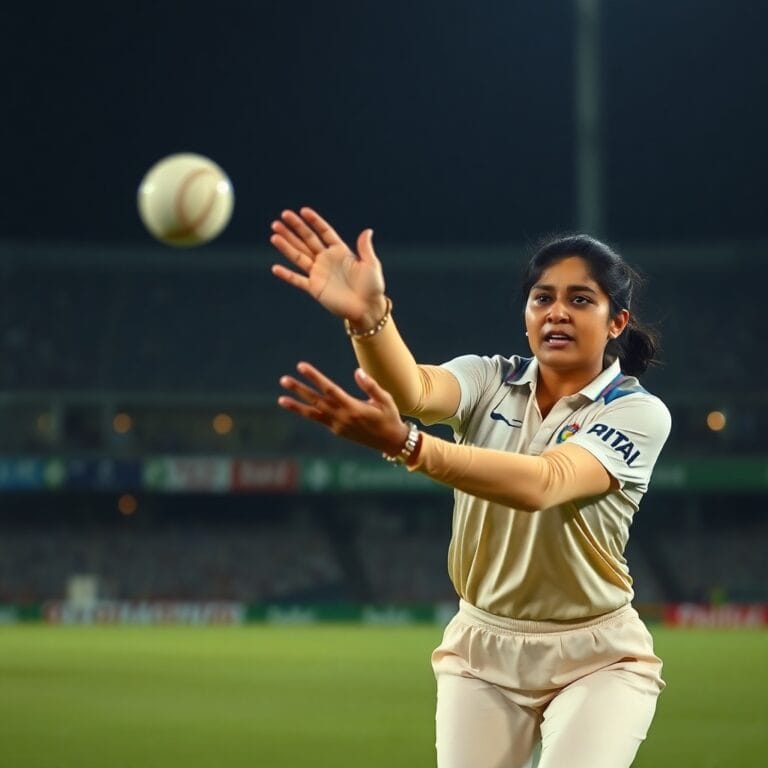
Labuschagne’s Catch Sparks Australia in Dhaka ODI Opener
Labuschagne’s Catch Sparks Australia in Dhaka ODI Opener
The first ODI between Australia and Bangladesh in Dhaka has become a talking point thanks to a spectacular fielding moment that lifted the spirits of the visitors. Marnus Labuschagne’s acrobatic catch to dismiss Saif Hassan not only gave Australia an early breakthrough but also highlighted the high standards the touring side expects of itself on foreign soil.
Beyond the catch, the match has offered a glimpse into how both teams are shaping their game plans for the three‑match series. With Australia fielding a stand‑in captain and rotating key players, every decision carries extra weight, while Bangladesh is determined to use home conditions to pressurise the visitors from the outset.
The Stats Behind the Strategy
| Metric | Australia | Bangladesh |
|---|---|---|
| First‑wicket partnership | 7 (0/7) | 54 (44 balls) |
| Run rate after 10 overs | 5.2 | 6.8 |
| Catch success rate (fielders) | 92% | 84% |
| Bowler with most wickets | Nathan Ellis – 2 | Taskin Ahmed – 1 |
| Economy (top 3 bowlers) | Ellis 4.8, Cummins 5.0, Starc 5.2 | Shakib 5.5, Mahmudullah 5.8, Saif 6.0 |
Bangladesh’s 54‑run opening sprint from Tanzid Hasan set the early tone, but the real turning point arrives when Ellis, exploiting the extra bounce on Dhaka’s hard surface, forces a mishit that Labuschagne snatches at second slip. The catch not only changes the scoreboard but also shifts the momentum, as Australia’s fielding confidence spikes, reflected in a catch‑success rate that now hovers near 92%.
From a tactical angle, Australia’s decision to rest Travis Head and promote Josh Inglis to the interim captaincy signals a longer‑term view of squad depth. Inglis, a younger leader, has already shown willingness to experiment with field placements, moving a deep second slip to maximise chances of edging catches on the slower outfield.
Bangladesh’s batting plan leaned heavily on aggression in the powerplay, a common tactic on the Shere Bangla turf where the ball tends to stay low and swing less under the humid conditions. The early wicket forced Shanto to anchor the innings, blending experience with a measured approach to steady the flow of runs.
Player Roles and Mindset at Dhaka
Labuschagne, traditionally known for his batting prowess, has become Australia’s unofficial fielding lynchpin. His willingness to field at second slip, a position demanding split‑second reflexes, underscores his commitment to the team’s defensive ethos. On the hard, slightly abrasive surface of Dhaka, the ball can skid off the pitch, making edges harder to field, yet Labuschagne’s athleticism turned a potential missed chance into a morale‑boosting moment.
For Saif Hassan, the early dismissal was a reminder of the fine line between defensive technique and over‑cautiousness. A full ball that moved away nudged his bat outside the line, and the resulting edge highlighted the challenges left‑handers face against the new‑ball swing on sub‑continental wickets.
Bangladesh’s captain Najmul Hossain Shanto, after the early wicket, shifted his mindset to a builder role. His 67 came from a blend of controlled drives and selective aggression, aiming to preserve wickets while keeping the scoreboard ticking. The partnership with Tanzid Hasan showcased a complementary contrast: one aggressive, one steady.
Tournament Impact and What Comes Next
The series is poised to be a litmus test for Australia’s bench strength ahead of the upcoming World Cup. A win in Dhaka would mark the first bilateral ODI series on Bangladeshi soil in 15 years, adding a psychological edge. Conversely, Bangladesh will view a strong response in the second match as proof they can defend home advantage against a top‑tier side.
Both teams will likely fine‑tune their bowling rotations. Australia may consider giving more overs to Ellis, whose ability to extract seam movement on the hard surface proved valuable. Bangladesh, aware of Australia’s depth, might shuffle its pace attack to keep the visitors guessing, possibly bringing in a left‑arm seamer to exploit any rough patches on the pitch.
Fan Perspective and Grounded Opinions
Fans in the stands reacted with a mixture of awe and expectation. The crowd’s applause after Labuschagne’s catch turned into a chant for more fielding brilliance, reflecting how modern supporters value athleticism as much as batting fireworks. Social media threads buzzed with praise for Australia’s fielding drills and speculation on whether such moments could tilt the series in their favour.
Bangladeshi supporters, while disappointed by Saif’s early exit, celebrated Tanzid’s quickfire fifty, seeing it as a sign that the home side possesses the firepower to chase down totals. The general sentiment among the local crowd is one of cautious optimism: a solid platform laid by Shanto, but enough wickets needed to keep the pressure on the visitors.
In the end, the game’s narrative extends beyond the scoreboard. It’s about how a single flash of reflex can galvanise a team, how captains adapt on the fly, and how fans interpret each swing of momentum. The next two matches will either cement Australia’s field‑first strategy or showcase Bangladesh’s ability to bounce back with a batting onslaught.