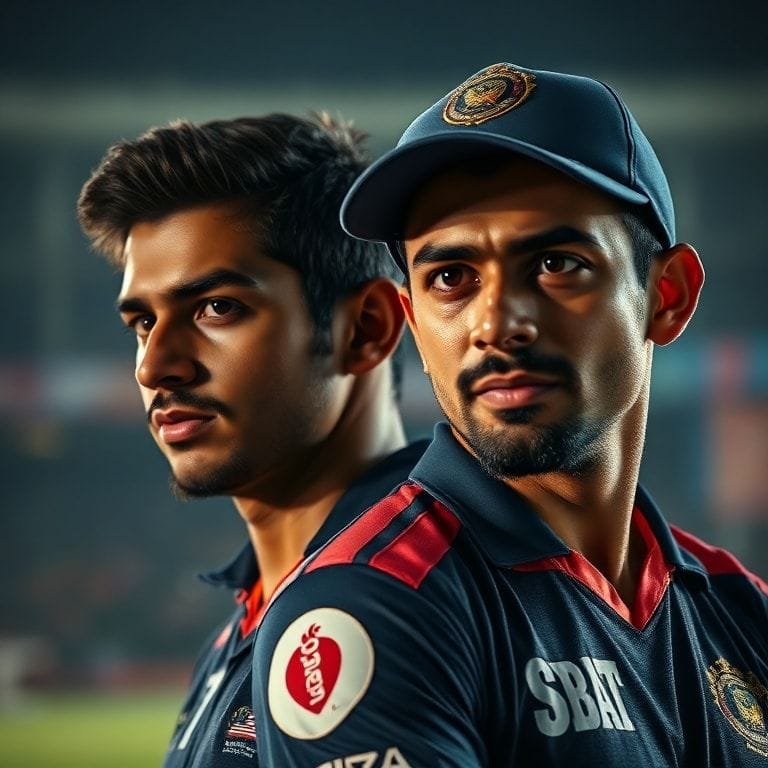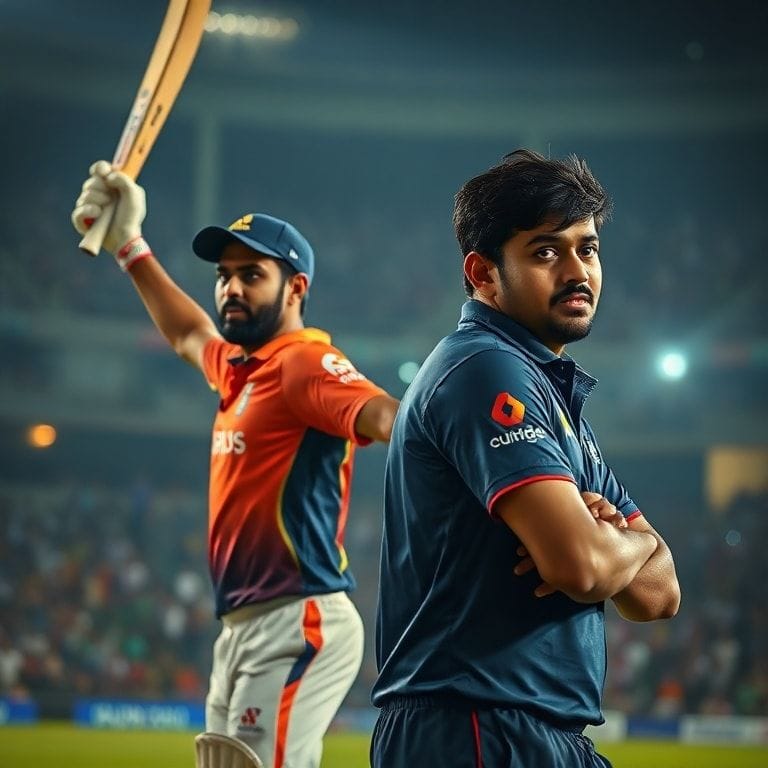
SRH Crush Delhi Capitals by 47 Runs in IPL 2026 Clash
Sunrisers Hyderabad Dominate Delhi Capitals in High-Octane Hyderabad Clash
Sunrisers Hyderabad delivered a commanding performance against Delhi Capitals at the Rajiv Gandhi International Stadium, posting a mammoth 242 for 2 and sealing a 47-run victory. This match carried significant weight as it reshaped the IPL 2026 standings, spotlighting Abhishek Sharma’s explosive batting and Eshan Malinga’s lethal spell.
The Stats Behind the Strategy
| Player | Runs | Strike Rate | Overs | Wickets | Economy |
|---|---|---|---|---|---|
| Abhishek Sharma | 135 | 198.5 | – | – | – |
| Eshan Malinga | 0 | – | 4 | 4 | 8.00 |
| David Miller | 12 | 115.4 | – | 0 | – |
| Travis Head | 34 | 122.7 | – | – | – |
The numbers tell a story of dominance: Sharma’s blistering knock laid a foundation too steep for Delhi to climb, while Malinga’s four-wicket haul in four tight overs shifted the game’s momentum decisively. The Hyderabad pitch, known for early bounce and later turn, suited Malinga’s seam-based arsenal perfectly.
Match Context and the Road to Hyderabad
Both teams arrived with contrasting motivations. Sunrisers were on a two-match winning streak and aiming to secure a top-three finish, whereas Delhi sat just outside playoff contention and needed a big win to stay alive. The Rajiv Gandhi Stadium, typically a batsman-friendly track in the early stages, demands smart bowling plans post-powerplay—something SRH exploited masterfully.
Tactical Choices That Shaped the Outcome
SRH’s decision to open with Sharma paid immediate dividends. His 135 off 68 balls, built through calculated aggression and punctuated by explosive sixes, dismantled Delhi’s bowling strategy. Paired with Travis Head, the duo stitched a crucial 97-run opening stand that set the tone. Delhi’s initial plan centered on stifling boundaries, but their failure to create early breakthroughs allowed Sharma to take control.
Delhi’s response began with disciplined lines but faltered when they failed to adapt to the pitch’s characteristics. Introducing Malinga in the 11th over disrupted Delhi’s chase at its most critical juncture. His combination of back-of-the-hand slower balls and late reverse swing took advantage of the pitch’s tendency to assist seasoned seamers as the innings progressed.
Player Mindsets and Role Execution
Sharma approached his innings with composure and clarity. Starting conservatively to preserve wickets, he gradually shifted gears, capitalizing on the pitch’s pace and bounce to accelerate. His modified stance against slower deliveries helped him maintain consistency and avoid mistimed shots. Meanwhile, Malinga embraced the role of a momentum-breaker. His dismissal of David Miller—a sharply angled delivery that clipped the stump via an inside edge—was a textbook example of precision meeting pitch behavior.
Connecting Players to the Venue
The Rajiv Gandhi International Stadium’s unique surface favors both stroke-makers and disciplined bowlers. Sharma, being a local talent, thrives here, leveraging the extra bounce for lofted shots. Malinga, though rooted in Bengaluru’s faster pitches, adapted his length and angle to extract maximum assistance from Hyderabad’s abrasive surface. Delhi’s lineup, lacking familiarity with such conditions, struggled to adjust—Miller’s uncertain footwork epitomized their discomfort.
Impact on the Tournament and What Lies Ahead
This emphatic win propels SRH into third place, strengthening their playoff credentials. Sharma now leads the run-charts, while Malinga’s figures put him firmly in contention for the Purple Cap. Delhi, now mid-table, must reassess their top-order fragility and lack of mid-innings structure. Their aggressive intent, while effective on flatter tracks, falters on surfaces requiring tactical patience.
Going forward, SRH will likely continue with Sharma and Head at the top, building steady platforms for explosive middle-order finishes. Malinga’s resurgence suggests he’ll remain central to their death-bowling plans. Delhi might consider shifting their bowling order to introduce variety earlier, hoping to counteract aggressive openers before they settle.
Fan Perspective and Grounded Opinions
The Hyderabad crowd roared for Sharma throughout his innings, celebrating every boundary with fervor. Social media echoed the sentiment, praising both his technique and connection with the venue. Malinga’s spell was lauded as a masterclass in controlled aggression. Some Delhi fans lamented the lack of strategic flexibility during the chase, pointing to missed opportunities to slow the game down and rebuild.
In summary, the match underscored how pitch awareness, tactical timing, and individual brilliance can tilt outcomes decisively. As the season progresses, teams blending bold intent with situational intelligence will emerge victorious.
Cricket Desk: Want more on Abhishek Sharma injury? Check out our Abhishek Sharma injury Latest News & Stats.