Abhishek Sharma’s 135 powers SRH to IPL 2026 victory
Abhishek Sharma’s Strategic Masterclass Powers SRH to Victory
Sunrisers Hyderabad posted a massive total against Delhi Capitals at the Rajiv Gandhi International Stadium, and Abhishek Sharma’s unbeaten 135 sparked a fresh conversation about how a young hitter can reshape his role. The innings mattered because it lifted SRH into the top three and gave fans a glimpse of a new tactical balance between aggression and endurance.
Match context and tactical overview
Going into the 31st game of IPL 2026, both sides were fighting for playoff spots. SRH needed a big win to keep pace with the league leaders, while DC were looking to stay alive after a shaky start to the season. The pitch at Hyderabad offered a firm surface with a slight bounce, favoring a mix of seam and powerplay hitting. The coaching staff of SRH entered the match with a clear plan: let Abhishek settle, rotate the strike early, and unleash him in the second half of the innings.
Franklyn ‘Franky’ Singh, the batting coach, instructed Sharma to bat through the 20 overs – a departure from his usual cameo approach. The idea was to anchor the innings, allowing the middle order to attack with freedom. In the powerplay, Travis Head and Abhishek built a 97‑run opening stand, giving the team a comfortable platform. When Head fell, Ishan Kishan added a quick 25, but the true acceleration came from Heinrich Klaasen, whose 37 off 13 balls pushed the total past the 240 mark.
The Stats Behind the Strategy
| Player | Runs | Balls | Strike Rate | Boundary Count |
|---|---|---|---|---|
| Abhishek Sharma | 135 | 68 | 198.5 | 10 fours, 10 sixes |
| Travis Head | 37 | 26 | 142.3 | 3 fours, 2 sixes |
| Heinrich Klaasen | 37 | 13 | 284.6 | 4 fours, 5 sixes |
| Eshan Malinga (DC) | 0 | 4 | 0.0 | 0 |
The table shows that Sharma’s strike rate hovered just under 200, a remarkable feat for a player who usually scores at a 150‑plus rate. His boundary frequency – one every 3.4 balls – illustrates the blend of timing and power that the Hyderabad pitch encouraged. Klaasen’s 284.6 strike rate in the death overs highlights the value of a specialist finisher when the target climbs above 200.
Player roles, mindset, and venue link
Abhishek Sharma entered the ground aware of Hyderabad’s red‑soil composition, which tends to hold onto the ball a little longer and offers extra grip for the bat. He talked about a ‘plan with Franky’ that focused on patience in the first seven overs, then escalation. By the time he reached his fifty off 25 balls, he could gauge the pace of the outfield and adjust his timing, a skill he honed during the domestic season on similar surfaces.
Travis Head’s role was to give a solid start, using his experience to guide Sharma through the early wave of bowler aggression. Ishan Kishan’s brief blitz acted as a bridge, ensuring the scoreboard kept ticking while keeping the pressure on the Capitals bowlers. Klaasen, known for his ability to clear the short boundaries at Hyderabad, took advantage of the shallow bounce to lift the ball cleanly over the in‑field.
On the bowling side, Harsh Dubey’s two‑over spell of 3/12 exploited the same surface that aided the batting. The short landing area forced the DC batsmen to negotiate a steeper bounce, which Dubey turned into a wicket‑taking weapon.
Tournament impact and the road ahead
SRH’s 242/2 propelled them into the top three, putting them within striking distance of the league leaders. The win also lifted their net run rate, a crucial tiebreaker as the season approaches its final stretch. For Delhi, the 195/9 defeat left them hovering near the cut‑off line, meaning they must win their next two matches to keep hopes alive.
Looking ahead, SRH will likely stick with the Sharma‑anchor‑attack model, especially on flat tracks. The coaching staff may rotate the middle order to keep the attack fresh, but the core message – let the left‑hander settle, then unleash – will remain. DC will have to rethink their death‑overs strategy; their bowlers struggled to contain the run rate after the 15‑over mark, a trend they must reverse if they are to qualify.
Fan perspective and grounded opinion
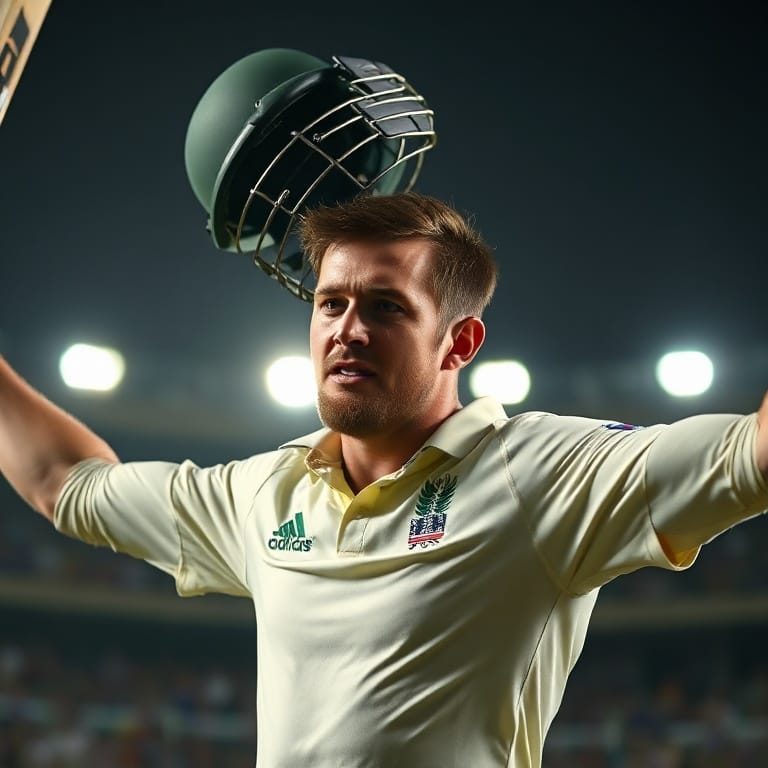
For the Orange Army, the match was a reminder of why Hyderabad’s home games feel special. The crowd’s roar when Sharma raised his ‘L’ sign turned the stadium into a shared celebration. Fans on social media praised the maturity shown by a player traditionally seen as a flash‑in‑the‑pan starter. Some critics argue that relying on a single big innings is risky, but most agree that the new approach adds depth to SRH’s batting lineup.
From a broader viewpoint, the innings showcases how IPL teams are evolving – no longer just about power‑hitting, but about blending endurance with aggression. If SRH can replicate this balance, they could be a formidable force in the knockout stages. For now, the city of Hyderabad celebrates a night that combined raw firepower with a strategic calm rarely seen from a 22‑year‑old.
Cricket Desk: Want more on Abhishek Sharma injury? Check out our Abhishek Sharma injury Latest News & Stats.