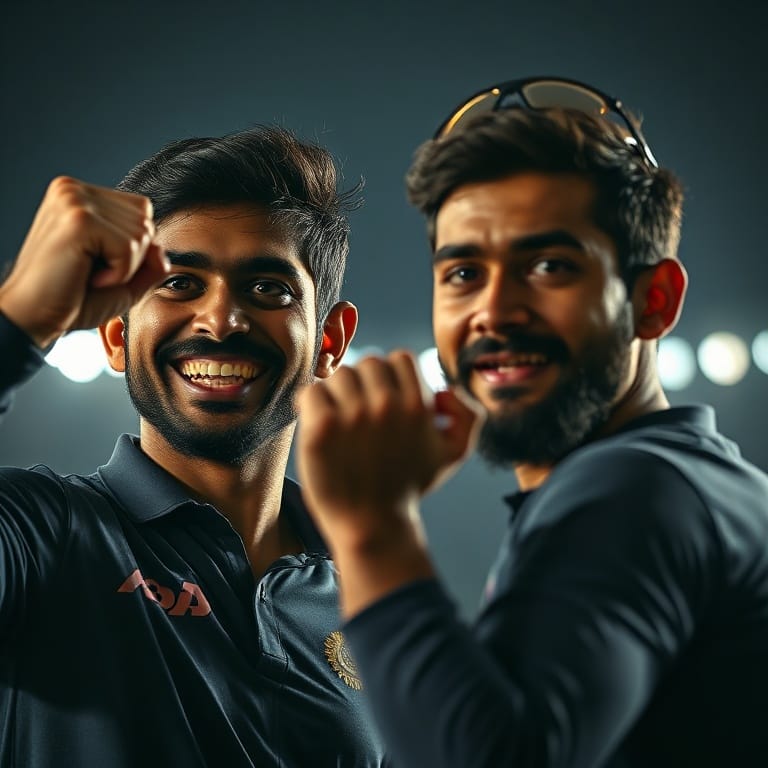
Sanju Samson fastest Indian to 5,000 IPL runs in CSK vs GT
Sanju Samson’s Milestone Amid CSK’s Struggles Against GT
Sanju Samson’s fifth-thousandth run in IPL 2026 became the headline of the CSK vs GT clash at Chepauk. The milestone matters because it not only rewrote the record books but also highlighted a turning point for a side that found itself in deep trouble early on.
The Stats Behind the Strategy
| Player | Balls to 5,000 runs | Strike Rate | Rank among Indians |
|---|---|---|---|
| Sanju Samson | 3,555 | 145.6 | Fastest |
| MS Dhoni | 3,691 | 138.4 | 2nd |
| Suresh Raina | 3,620 | 132.1 | 3rd |
The table shows Samson’s efficiency compared with the two legends he has now edged out. A strike rate above 145 across 3,555 balls signals a player built for the modern power‑play era, especially on a surface that rewards low‑bounce timing.
Tactical Snapshot: How CSK Tried to Recover
GT won the toss and chose to bowl, a decision rooted in the early‑morning moisture that kept the Chennai pitch a little greener than usual. The Titans opened with Kagiso Rabada and Mohammed Siraj, both hungry to exploit seam movement before the sun baked the wicket. CSK’s decision to send Ruturaj Gaikwad in at No 3 after Samson’s early exit was a clear attempt to stabilize the innings without sacrificing aggression.
When the first strategic timeout arrived at 8.2 overs, CSK was 37/4. Coach Stephen Fleming went for the impact player rule, slotting in Sarfaraz Khan to replace the struggling Tushar Deshpande. The move was meant to add a left‑handed anchor, yet Khan fell for a first‑ball duck, underlining the difficulty of adjusting mid‑over on a pitch that still held a little seam.
The second timeout at 13 overs saw a modest recovery to 66/4, with Gaikwad’s 35 off 42 balls acting as a glimmer of hope. Shivam Dube’s quick 10 off 8 balls added a few hard‑hitting options, but the target of 125 seemed staringly low for a team that has the firepower to post 180‑plus on a good day.
Player Mindset: Samson’s Lightning Strike and the Rest of the Line‑up
Samson entered the ground aware that three runs would place him among a select fraternity. The mental picture of the record likely sharpened his focus on the second ball of the innings. He leaned into a wide Rabada delivery and sent it racing to point – a textbook example of batting on instinct when the stakes are personal.
After Samson’s wicket, the remaining top order had to shift from personal milestones to collective survival. Gaikwad’s decision to play with a higher percentage of his deliveries on the pads indicated a conscious choice to keep the strike rotating, a tactic that works well on Chennai’s traditionally slow‑turning third‑day surface.
Dube’s role as a power‑hitter was amplified by the need for quick runs before the middle overs. His ability to clear the boundary with a high‑arcing loft suited the deep square leg area, where the ball tends to sit still on the slower wicket.
Tournament Implications: What This Means for CSK and GT
For CSK, the loss of a low total adds pressure on their bowlers to defend below par scores. The shift in net run rate could be decisive in a tight group where each point matters. The side will now rely heavily on its death‑over specialists like Moeen Ali and the spin duo of Ravindra Jadeja and Yuzvendra Chahal to keep GT in check.
GT, on the other hand, gained momentum not just from a defensive win but from a psychological edge. Shubman Gill’s upcoming knock will come with the confidence that the opposition’s top order can falter quickly, allowing Gujarat to attack early with the new ball.
Fans’ Take and Grounded Opinions
The Chepauk crowd erupted as Samson’s boundary sailed past the ropes, a moment captured on every fan’s phone. Yet the same fans watched the scoreboard inch forward with a collective sigh as wickets fell. The mixed emotions reflect the duality of cricket: individual brilliance can coexist with team disappointment.
Local supporters argue that CSK’s reliance on a single big hitter like Samson has become a liability. They suggest giving more responsibility to emerging players such as Ruturaj Gaikwad and Ruturaj’s partner in the middle order, Manju Nagra, who has shown the temperament to handle pressure.
On social platforms, the narrative splits between praise for Samson’s record and criticism of the team’s inability to build a platform after his early exit. The consensus points to a need for better early‑over strategies, perhaps rotating the opening pair to include an extra seam bowler in the chase after the powerplay.
Cricket Desk: Want more on Chepauk Stadium? Check out our Chepauk Stadium Latest News & Stats.