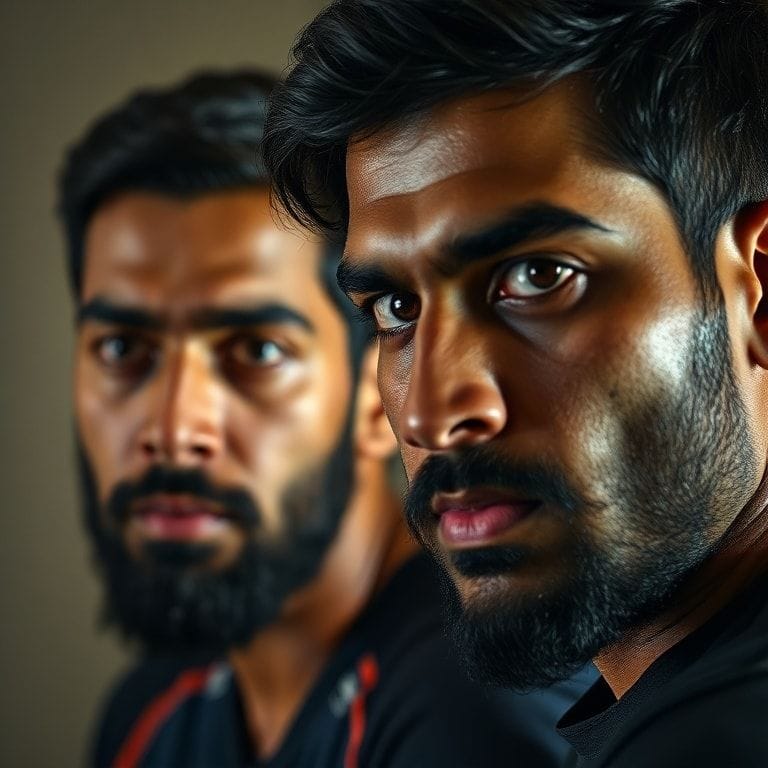
Rohit Sharma’s Return Key to Mumbai Indians’ IPL Revival
Mumbai Indians’ Crucial Crossroads: Rohit’s Return and Tactical Shifts at Wankhede
Mumbai Indians are fighting for survival in IPL 2026, and the absence of veteran opener Rohit Sharma looms large. Hardik Pandya’s frank fitness update has fans wondering when the skipper will step back onto the Wankhede turf, a factor that could tilt the balance for a side teetering on the edge of the points table.
The recent clash against Sunrisers Hyderabad turned the Wankhede into a high‑scoring battlefield, but MI’s 243‑run total proved insufficient against a fearless chase. The loss underscored tactical gaps, the urgency of Rohit’s return, and the emotional pulse of a fanbase desperate for a turnaround.
Match Context and Tactical Choices
Winning the toss, MI elected to bat on what Pandya called a “good pitch” – a surface that traditionally rewards a blend of power hitting and subtle rotation. The decision aligned with Mumbai’s historic approach at the Wankhede, where a strong opening partnership often sets the platform for a 200‑plus total.
Ryan Rickelton’s unbeaten 123 anchored the innings, but the partnership with the openers never fully blossomed. With Rohit out, the top order relied on Jignesh Ramesh and Ruturaj Gaikwad, both of whom struggled to negotiate the short of the ball. The lack of a seasoned anchor meant the middle order faced a daunting 150‑run hill, forcing hard‑hitting bursts that fell short of consistency.
When it was SRH’s turn to chase, captain Kishan Giri shuffled the bowlers early, a move designed to unsettle MI’s batting rhythm. Jasprit Bumrah, usually the spearhead, was handed an extra over but returned wicketless, conceding 69 runs at 9.85. The decision to persist with Bumrah, despite an off day, reflected MI’s faith in his ability to swing the ball at the Wankhede‑green. In hindsight, a quicker switch to a spinner like Rahul Chahar might have stemmed the run flow.
The Stats Behind the Strategy
| Metric | MI (Wankhede) | SRH (Chase) |
|---|---|---|
| First‑innings total | 243 | – |
| Highest partnership | 145* (Rickelton & Jacks) | 140* (Head & Klaasen) |
| Runs conceded by Bumrah | – | 69 (0/9.85) |
| Run rate required | – | 9.77 |
| Successful chases at Wankhede (2020‑2025) | 7 | 7 |
The table highlights two key insights: MI’s total was competitive by historical Wankhede standards, yet the lack of a top‑order anchor forced a reliance on a single partnership. On the bowling side, Bumrah’s economy ballooned beyond his usual sub‑8 figures, an indicator that the pitch offered little assistance early on.
Player Roles, Mindset, and Venue Links
Rohit Sharma’s game is often described as “Wankhede‑crafted” – his lofted drives and measured aggression suit the short boundary and slight bounce of the home ground. When fit, he tends to score at around 7.2 runs per over, a tempo that steadies the innings while allowing fireworks at the back end.
Hardik Pandya, juggling captaincy and bowling duties, has adopted a more aggressive field placement, trying to create pressure points. His own 30 runs came from a mix of slog sweeps and hard‑hit pulls, a reflection of his willingness to shoulder the opening responsibility in Rohit’s absence.
Rickelton’s century, though impressive, came by exploiting the slower sections of the wicket, rotating the strike with quick singles. The partnership with Will Jacks illustrated how two technically sound players can adapt to a pitch that rewards patience over pure power.
On the opposition side, Travis Head’s attacking intent flourished on the flat Wankhede surface, where the ball rose to his full‑tossed drives. Heinrich Klaasen’s composed finish echoed similar performances at Colombo’s SSC, where the slower turn demands timing over brute force.
Tournament Impact and What Lies Ahead
MI sit with two wins out of eight, hovering near the bottom of the points table. A win‑or‑lose scenario looms for the next two fixtures, and the timing of Rohit’s return could define the season’s narrative.
If Rohit manages to feature in the next match against Kolkata Knight Riders, his presence could shift the Batting Order from a precarious 45‑run start to a steadier 70‑plus platform. That would ease the pressure on middle‑order hitters like Suryakumar Yadav and Ishan Kishan, allowing them to play with freedom rather than rescue mode.
Should Rohit remain sidelined, MI may have to gamble with a promotion‑heavy approach – sending Hardik up the order for longer spells, or inserting a ‘pinch‑hitter’ like Rahul Tripathi at No 3. Both strategies carry risk: the former taxes a captain already fatigued by back‑to‑back games, while the latter could expose the middle order to a new wave of pressure.
From a points‑table perspective, the league’s second half offers a chance for a sprint. A string of back‑to‑back victories could lift MI into the top four, but the margin for error is razor‑thin. Each match now feels like a mini‑final.
Fan Perspective and Grounded Opinions
The Mumbai crowd has been vocal, filling the Wankhede with chants that blend hope and frustration. Social media feeds are peppered with memes of Rohit coaching from the bench, and polls where fans rate the likelihood of his return on a scale of one to ten.
Many supporters argue that MI should not wait for a fully fit Rohit; instead, they demand an aggressive reshuffle – a “now or never” approach that could involve bringing in a fresh overseas pacer or letting a young talent like Arjun Tendulkar finish the season.
Others hold a more cautious line, emphasizing that forcing Rohit back could backfire, leading to a relapse that harms both player and team morale. The consensus leans toward a balanced path: allow Rohit a couple of low‑intensity games to gauge readiness, while simultaneously offloading some batting responsibilities to the in‑form middle order.
Regardless of the strategy, the prevailing sentiment is clear: Mumbai Indians need a spark, and the spark could be as simple as Rohit’s trademark cover drive finding the fence at the Wankhede.
Cricket Desk: Want more on Batting Order? Check out our Batting Order Latest News & Stats.