Rishabh Pant’s Leadership Shift and Future Outlook
Rishabh Pant’s Leadership Shift and Future Outlook
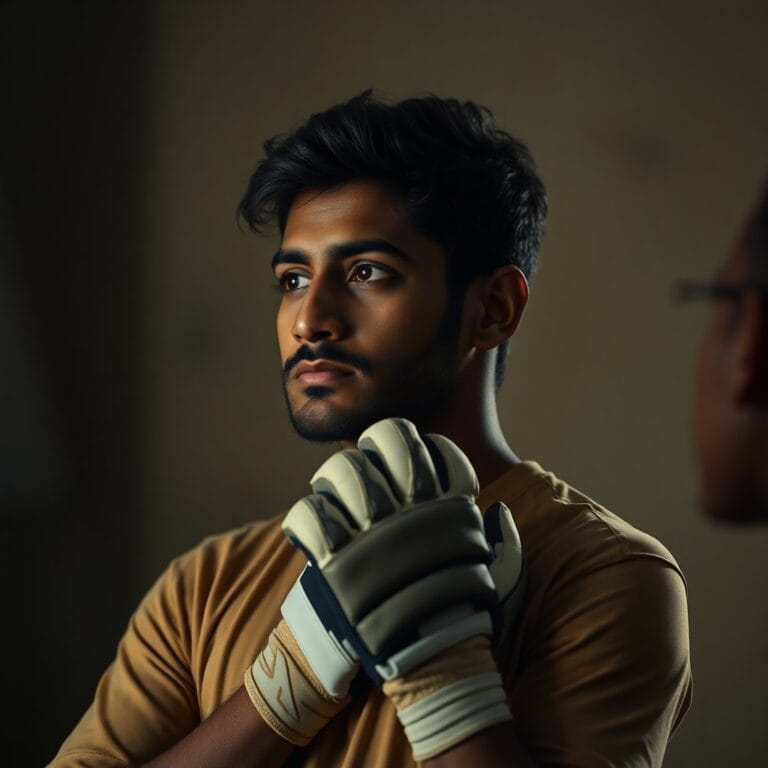
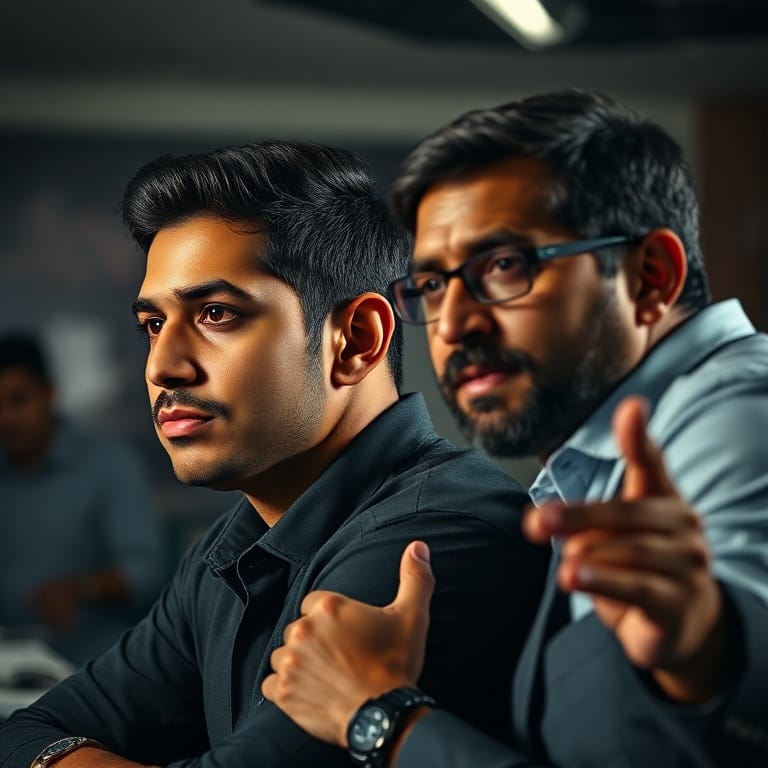
Ajit Agarkar spoke about Rishabh Pant after the wicket-keeper was removed from the Test vice-captaincy before the Afghanistan tour. This move highlights how the board sees Pant’s role in red-ball cricket while he struggles in limited-overs formats. India’s squad changes sparked widespread discussion online and among cricket analysts.
Shubman Gill continues as Test captain, with KL Rahul taking over as vice-captain. Pant remains part of the Test XI, yet his absence from the ODI squad raises questions about his place in the shorter versions of the game. The selectors seem focused on building clarity in leadership and strengthening the team for specific conditions.
Leadership Shift and Team Decisions
The decision to appoint KL Rahul as vice-captain brings stability for the Afghanistan series. His experience in overseas conditions makes him a reliable deputy, especially on spin-friendly pitches like those in Kabul. This choice reflects the team management’s desire for a calm presence during high-pressure situations.
Rishabh Pant’s exclusion from the ODI squad shows the board’s willingness to test other wicket-keepers such as Ishan Kishan and Sanju Samson. Agarkar emphasized that Pant should now focus solely on improving his Test game. This period could help him refine his skills without distractions from white-ball responsibilities.
The Stats Behind the Strategy
| Format | Matches | Innings | Runs | Average | Centuries | Half-centuries |
|---|---|---|---|---|---|---|
| Tests (2025 season) | 7 | 13 | 629 | 48.38 | 2 | 4 |
| IPL 2026 | 12 | 12 | 251 | 20.9 | 0 | 1 |
Pant’s Test record shows strong performances, including two centuries at Headingley and a solid knock at Lord’s. his IPL form has dipped significantly. He struggled to score quickly and failed to reach a fifty in most matches. These contrasting numbers explain why selectors are cautious about giving him white-ball leadership duties.
Player-Venue Connections
Pant excels on bouncy English tracks. His aggressive strokeplay suits venues like Headingley, where he scored memorable hundreds. At Lord’s, his patience helped him build long innings. Yet, Afghan grounds like Kabul and Kandahar demand different skills—ones that favor grit and defensive technique over explosive hitting.
KL Rahul’s past tours to South Africa and New Zealand gave him exposure to hard, seaming tracks. His ability to face pace and stay grounded makes him ideal for Afghanistan. Pant’s strengths lie in counterattacking mode, which works better on quicker surfaces. On slower, turning tracks, his game becomes less dominant.
Impact on the Upcoming Afghanistan Series
Pant will still open the batting and keep wickets for India. The main difference is the loss of the vice-captaincy title. How he handles this shift under pressure will define his immediate future. With Rahul by his side, the dressing room atmosphere might feel more settled during tense phases of the match.
Tactically, India is expected to lean heavily on Ravichandran Ashwin’s spin attack. Fast bowlers will provide bursts of pressure between turns. Pant’s role in accelerating the run rate late in an innings could prove vital. Especially in the second dig, his aggressive instincts may help India chase or set challenging targets.
Fan Perspective and Grounded Opinions
Indian fans remain divided. Some believe Pant deserves continued trust based on his Test record. Others wonder why someone out of form in the IPL still holds a central position in the Test setup. Social media debates reflect these mixed views, with many calling for Pant to either specialize in red-ball cricket or rediscover his white-ball touch.
Broadly, experts agree that Pant isn’t being sidelined permanently in Tests. But his path in ODIs looks uncertain unless he improves quickly. Strong performances in Afghanistan can revive conversations around his all-format potential. For now, the selectors want him to focus on what he does best—scoring runs in red-ball cricket.
What Comes Next for Pant and India
Moving forward, Pant needs to adapt to the demands of the Afghan pitches. Scoring a big innings or finishing a chase smartly would boost his stock. Off the field, Shubman Gill gains clearer control of the team dynamic. This leadership clarity benefits both strategy and morale within the squad.
For India, managing dual-format players like Pant is essential as they prepare for major tournaments. Experimenting with wicket-keeping roles shows planning beyond the current series. By focusing on player development and workload balance, the board aims to sustain success across formats in the coming years.