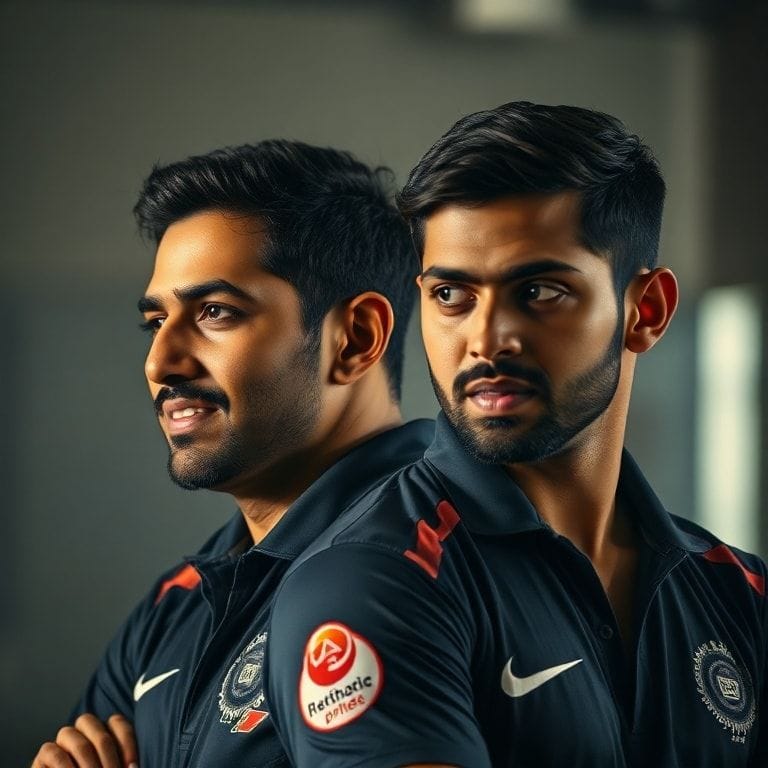
Prince Yadav’s Breakthrough Performance Stuns RCB in Lucknow
Prince Yadav’s Breakthrough Performance Stuns RCB in Lucknow
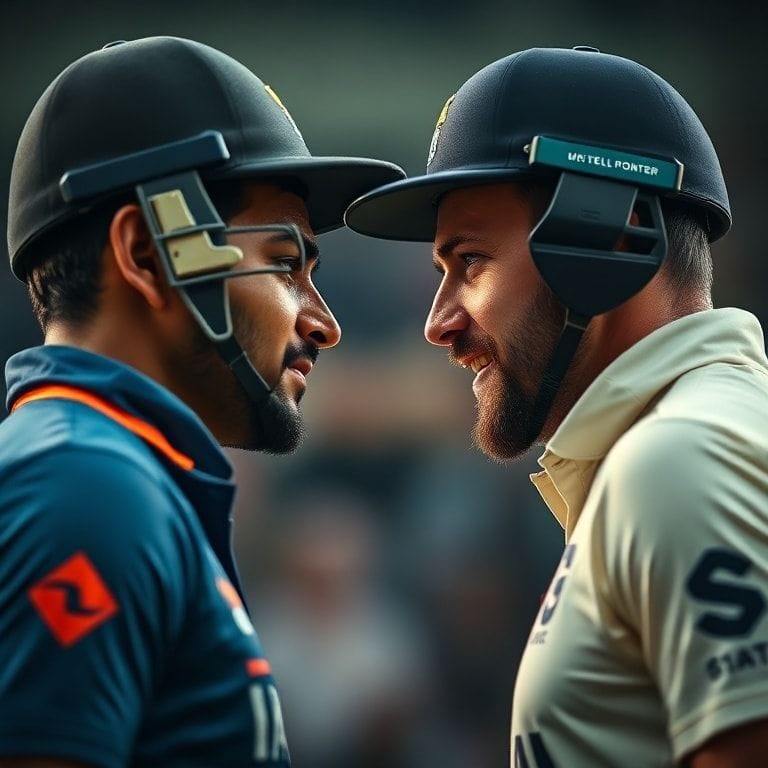
The 50th match of IPL 2026 at Lucknow’s Ekana Stadium turned into a talking point far beyond the runs on the board. A rain‑cut 19‑over showdown saw Lucknow Super Giants edge Royal Challengers Bengaluru by nine runs via DLS, but the real headline belonged to young pacer Prince Yadav, whose early breakthrough of Virat Kohli sparked a digital firestorm. The drama matters because it blends on‑field tactics, a breakthrough for a domestic bowler, and the darker side of fan culture in India’s most beloved sport.
Match context and tactical decisions
When Mitchell Marsh exploded for 111 off 56 balls, the target of 213 seemed a safe haven for LSG. Yet the captain’s choice to open the chase with Rajat Patidar, a power‑hitter accustomed to the short ball, reflected a plan to exploit the reduced overs and the slightly damp outfield. Patidar’s 61 off 31 balls set a brisk tempo, forcing RCB into a defensive stance early.
RCB’s response hinged on a classic IPL chase: a quick top‑order partnership to neutralise the DLS par score, followed by a finish from the middle order. The decision to send the aggressive left‑hander Shubman Gill at No 4 was intended to chase down the required run rate before the rain threatened again. Yet the early loss of Virat Kohli on the second ball of the innings abruptly shifted the equation. LSG’s bowling coach, recognizing the new‑ball swing potential of Ekana’s night‑time lights, handed the ball to Prince Yadav, a 21‑year‑old who had been working on a slightly short of a length delivery during the week’s nets.
Player roles, mindset and venue links
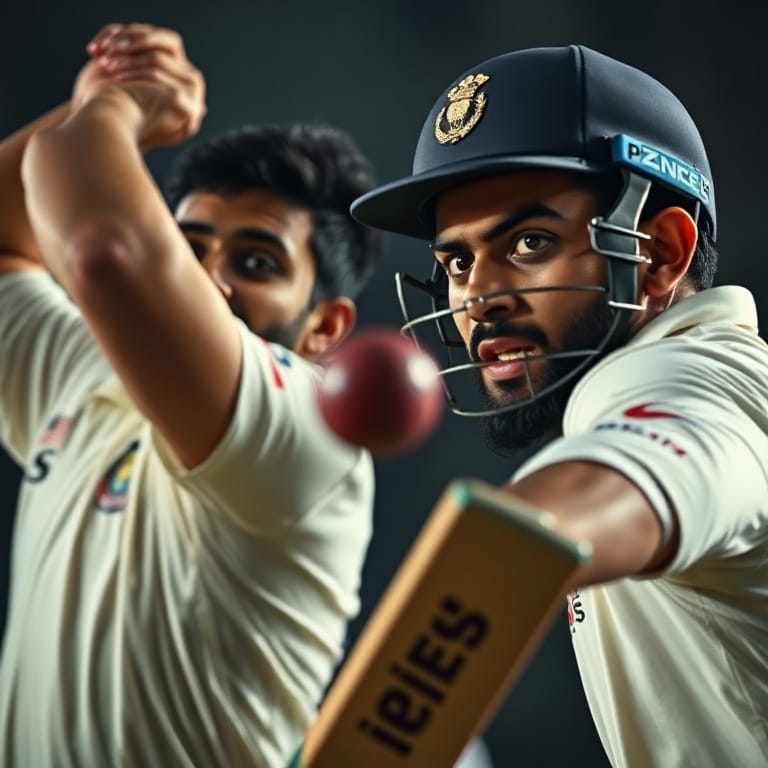
Prince had been mentored by Kohli during an off‑season training camp, and the feedback boiled down to a simple mantra: “Stick to a length that moves the ball off the seam”. At Ekana, the pitch provides a firm, low‑bounce track that rewards bowlers who hit a tight line and keep the ball just off the deck. By employing a backed‑up seam position, Yadav produced a delivery that skidded off the surface, catching Kohli’s front foot and smashing the stumps.
The dismissal was not merely a wicket; it was a psychological blow. Kohli, who thrives on taking the crease early, never got to settle. Yadav’s follow‑up spell, which claimed Devdutt Padikkal and Jitesh Sharma, confirmed a plan to target the middle order with a mixture of short, swinging deliveries and subtle variations in seam height.
For RCB, the loss of their anchor forced Gulzar and Jaiswal into a scramble. Their partnership, though resilient, could not offset the 33 runs Yadav conceded in four overs – an economy that, in a 19‑over game, translates to a massive pressure point.
The Stats Behind the Strategy
| Player | Overs | Runs | Wickets | Economy |
|---|---|---|---|---|
| Prince Yadav | 4 | 33 | 3 | 8.25 |
| Mitchell Marsh | 9 | 111 | 0 | 12.33 |
| Rajat Patidar | 4 | 61 | 0 | 15.25 |
| Virat Kohli | 0.2 | 0 | 1 | 0.00 |
| Devdutt Padikkal | 3 | 34 | 1 | 11.33 |
The numbers tell a clear story: while Marsh’s fireworks set a massive total, the real choke point for RCB was Yadav’s low‑economy spell that broke momentum at critical junctures. On a curtailed pitch, each over carries amplified weight – Yadav’s 8.25 economy is equivalent to a 10‑over spell in a full 20‑over game.
Impact on the tournament and what lies ahead
LSG’s narrow win snapped a six‑match losing streak, injecting fresh belief into a franchise that had struggled to find a consistent bowling attack. The victory pushes them into the top three, improving their chances of a home playoff.
For RCB, the loss is a reminder that reliance on star power alone is insufficient. The team will need to reassess its death‑over strategies, perhaps bringing in a more experienced death bowler or adjusting field placements to tighten the run flow.
Prince Yadav’s emergence could reshape the league’s talent narrative. Domestic pacers who master the nuances of seam movement on Indian wickets may now receive more attention during auctions. His performance also puts the spotlight on mentorship programmes that pair youngsters with senior players – a model that appears to be paying dividends.
Fan perspective and grounded opinions
When the wicket fell, social media erupted. Thousands of comments targeting Yadav flooded his Instagram, a wave of vitriol that overshadowed the skill he displayed. Many fans argued that taking a legend’s wicket should be celebrated, yet the bar of adoration for Kohli turned the backlash into a cautionary tale about fan entitlement.
Conversely, a sizable chunk of the cricketing community rallied behind the youngster, urging fans to focus on the spirit of competition rather than personal idol worship. Former players, analysts, and even some RCB supporters highlighted how Yadav’s disciplined execution exemplified the very essence of the game.
From a neutral observer’s lens, the incident underscores a broader issue: the digital age amplifies both praise and harassment, and young athletes must navigate a terrain where performance and public perception intertwine tightly.
Going forward, the narrative will likely shift from the online outrage to Yadav’s development curve. If he continues to harness his pace and seam on sub‑continental surfaces, he could become a regular fixture in LSG’s attack and perhaps earn a national call‑up.
In the grand scheme, the match was a microcosm of IPL 2026 – a blend of explosive batting, tactical bowling bursts, and the ever‑present drama of fan reaction. It reminds us that cricket, while a sport, is also a cultural pulse, and every wicket can reverberate far beyond the boundary.