IPL Showdown: Strategic Collapse and Rising Hopes in Chennai
IPL Showdown: Strategic Collapse and Rising Hopes in Chennai
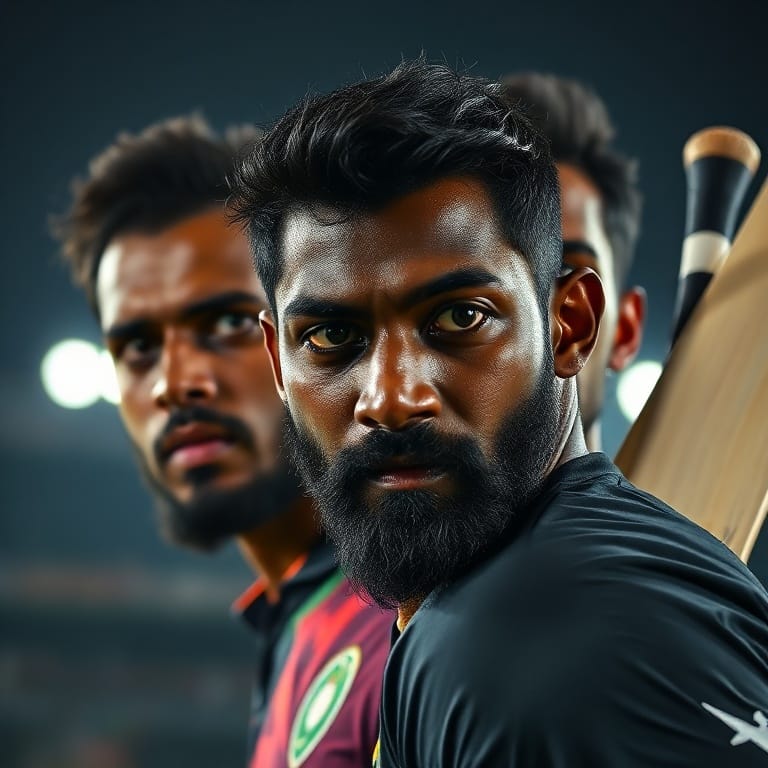
The latest IPL showdown at Chennai’s M.A. Chidambaram Stadium turned into a defining moment for both sides. Sunrisers Hyderabad walked away with a five‑wicket win that pushed them into the playoff picture, while the Super Kings saw their hopes evaporate and a post‑match interview spark fresh debate.
CSK entered the match needing a win to keep the dream alive. The decision to bat first was classic Chennai logic – use the familiar home pitch to set a defendable total. Yet the powerplay fizzled. Ruturaj Gaikwad, the young captain, could only muster 15 off 21 balls without a boundary, a reflection of the larger difficulty the top order faced against Pat Cummins’ sharp spell. Cummins ripped through the early wickets, finishing with three for 28, and left the Tamil Nadu side at 78/4. Sanju Samson and Dewald Brevis tried to revive the innings, but the two men combined for just 71 runs. The final 180/7 looked respectable on paper, but the scoring rate in the first ten overs had already handed the opposition a cushion. When SRH chose to chase, the plan was clear: let Ishan Kishan anchor and let the middle order accelerate. Kishan delivered a calm 70 off 47, steering the chase with measured aggression. Heinrich Klaasen punched a quick 47, and the duo nullified any late‑innings pressure from Mukesh Choudhary, who managed two wickets for 36.
The Stats Behind the Strategy
| Metric | CSK | SRH |
|---|---|---|
| Powerplay runs (0‑6 overs) | 45 | 38 |
| Top‑order wickets (first 10 overs) | 3 | 1 |
| Run rate (final 10 overs) | 8.2 | 9.4 |
| Economy – Cummins (4 overs) | 7.0 | — |
| Key partnership (runs) | Brevis‑Samson: 41 | Kishan‑Klaasen: 106 |
The numbers tell a simple story: CSK’s early wickets crippled their momentum, while SRH’s middle‑order partnership turned a modest chase into a controlled victory. Cummins’ economy of 7.0, paired with his strike of three wickets, was the spark that ignited the collapse.
Linking players to the ground adds another layer. The Chennai pitch is known for its dry, cracked surface that typically assists spinners in the latter stages. the top‑soil’s hardness early on gives seamers a bit of nip, a factor Cummins exploited perfectly. Gaikwad’s natural game leans on wristy drives, a skill that thrives on slower turn rather than the extra bounce the Chennai deck offered in the first half. Ishan Kishan, on the other hand, thrives on short‑run quick‑singles and a back‑foot pull, both of which suit the gritty nature of the ground.
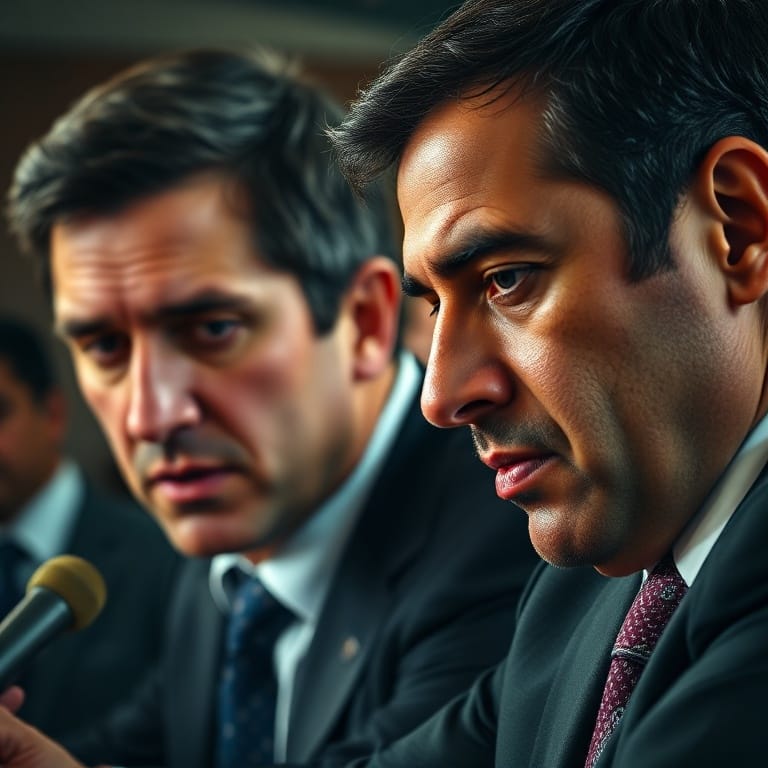
Stephen Fleming’s press‑conference comments about Gaikwad’s powerplay struggles resonated with many fans who felt the captain’s start set the tone. Fleming acknowledged the heavy mantle left by MS Dhoni, noting that the transition demands both temperament and technical adjustment. The critique, though pointed, may have been a tactical nudge – a reminder that the new leader must learn to accelerate when the fielding restrictions are in place, something the past champions managed effortlessly.
From a tactical angle, CSK’s decision to keep the regular opening pair unchanged could be revisited. Introducing a more aggressive top‑order option, perhaps someone comfortable with the new‑ball swing, might have mitigated Cummins’ early threat. The middle order’s reliance on Samson’s improvisation also showed cracks; a more anchored approach could have steadied the innings after the early setbacks.
- Keep an eye on the next two matches – a win could revive CSK’s chances, but a loss would confirm a rebuild season.
- SRH’s chase composition suggests they’ll continue to back Kishan’s stability while allowing power‑hitters to attack later, a formula that proved potent here.
For the playoff picture, SRH’s victory cements them among the top four, while CSK slides into the elimination zone. The next round of fixtures will test whether the Super Kings can adapt their strategy or whether the franchise will start looking at squad refreshment ahead of the next season.
Fans in Chennai expressed a mixture of disappointment and frustration. Social media threads highlighted Gaikwad’s strike rate, while veteran supporters defended his temperament, pointing out the weight of captaincy at such a young age. The sentiment mirrors the broader IPL narrative – a mix of raw talent, high expectations, and the fine line between success and a missed opportunity.
In the weeks ahead, the focus will shift to how Fleming and his staff address the glaring powerplay deficiency. Whether they opt for a new opener, a shift in batting order, or a different approach to the first six overs could dictate the team’s fate. One thing is clear: the pressure is mounting, and every decision will be scrutinized by a fanbase that never stops talking.