IPL 2026: Ravichandran Ashwin Explains Why Priyansh Arya Is Ahead of Ayush Mhatre and Vaibhav Suryavanshi
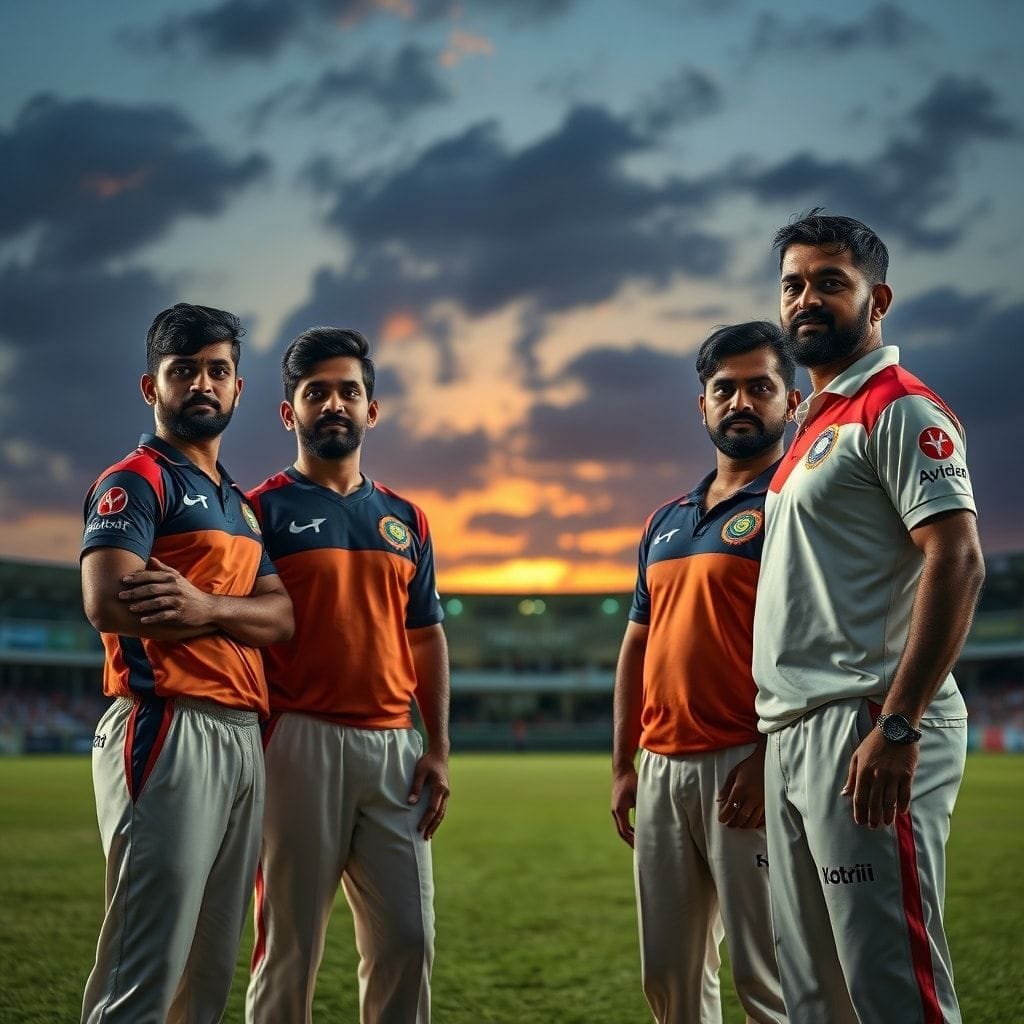
The latest IPL chatter centers on veteran off-spinner Ravichandran Ashwin’s take on three rising Indian talents – Priyansh Arya, Ayush Mhatre and Vaibhav Suryavanshi. Ashwin’s comments matter because they come from a player who has navigated the high-pressure league for over a decade and now mentors the next wave.
In a candid YouTube interview, Ashwin tipped Arya as the youngster who is a step ahead, citing consistency, shot range and the ability to turn small starts into match-winning innings. That endorsement reverberated across fan forums, prompting a deeper look at what each player brings to the table and how their trajectories could shape the IPL and beyond.
The Stats Behind the Strategy
| Player | Matches (2025–26) | Average | Strike Rate | 100s/50s | Boundary % |
|---|---|---|---|---|---|
| Priyansh Arya | 22 | 38.4 | 144 | 1/4 | 62 |
| Ayush Mhatre | 20 | 32.1 | 138 | 0/3 | 58 |
| Vaibhav Suryavanshi | 21 | 33.7 | 141 | 0/2 | 60 |
All three have performed on the grounds that host the IPL’s power-play – the Mumbai Wankhede, Bengaluru’s M. Chinnaswamy and the Delhi DDP. Arya’s numbers are marginally stronger at Wankhede, where the red-soil pitch rewards a blend of timing and power. Mhatre’s best outings have come at the spin-friendly Chinnaswamy, while Suryavanshi’s sixes have flattered at the shorter boundaries of Delhi.
Tactical Angles and Team Decisions
Team managers have been juggling the trio in different roles. Arya is often slotted at number four, a position that lets him anchor the innings after the powerplay. His ability to rotate strike and accelerate in the middle overs fits the “steady-then-blast” model that many IPL sides employ.
Mhatre, a left-handed flicker of the ball, is frequently used as a pinch-hitter at seven or eight. His unconventional stance against slower bowlers creates mismatches, especially when the opposition brings on a third-line spinner. The downside is a lower conversion rate; he tends to get out after a couple of boundaries, limiting the impact.
Suryavanshi, a tall, aggressive top-order bat, has been tried both as an opener and at three. When opening at Delhi, his aggressive intent has produced quick starts, but the pitch’s low bounce sometimes curtails his rhythm. Moving him down to three has allowed him to settle once the ball is older, a tweak coaches have started to favour.
Player Mindsets and Roles
Arya’s mindset appears to be anchored in building innings. He speaks about “respecting the condition” and “waiting for the right moment to hit”. That patience has turned a 20-run start into a 70-plus in three recent matches, a pattern Ashwin highlighted.
Mhatre, by contrast, thrives on adrenaline. In pre-match interviews he often mentions “playing with the freedom of a kid on a playground”. That freedom translates into a high-risk, high-reward style – a handful of match-defining blows but also an increased chance of early wickets.
Suryavanshi’s approach is a hybrid. He works on a “power-play mindset” where a quick 30 off 12 balls can set the tone, yet he also practices “anchor drills” to stay at the crease when the scoreboard stalls. This dual focus makes him adaptable, but the lack of a singular identity sometimes confuses the team’s game plan.
Tournament Impact and What Comes Next
If Arya continues his upward curve, he could become the go-to finisher for a franchise aiming for consistency in the mid-innings. His presence would give team captains the confidence to stretch the first 10 overs without fearing a collapse.
Mhatre’s role may evolve into a specialist for the death overs. Coaches could tailor his training to improve finishing under pressure, a skill that could make the difference in tight chases.
Suryavanshi is likely to be used as a flexible piece – either consolidating after early wickets or providing a late-innings surge. His adaptability will be valuable for teams that need to adjust strategies on the fly.
Looking ahead to the IPL playoffs, the trio’s form will affect the composition of the strongest XI. A team that can blend Arya’s consistency, Mhatre’s explosiveness, and Suryavanshi’s versatility will have a competitive edge. Their performances also feed into the national selectors’ radar, with the next Indian limited-overs squad likely to feature at least one of them.
Fan Perspective and Grounded Opinions
Fans on social platforms have been split. Some applaud Ashwin’s praise for Arya, arguing that the numbers speak for themselves and that Arya’s calm demeanor is what a championship side needs.
Others feel Mhatre’s flair is being undervalued. They point to a few innings where his six-hitting turned the tide in a nail-biting finish, moments that statistics sometimes hide.
Suryavanshi’s supporters highlight his willingness to adapt, noting that in a league where conditions change daily, a player who can shift roles is a premium asset.
Regardless of the debate, the consensus is clear: the IPL continues to be a crucible for talent, and the next generation is already shaping the league’s narrative. The dialogue sparked by Ashwin’s comments underscores how much weight veteran insights carry and how eager the cricket community is to spot the next star.
Cricket Desk: Want more on Ayush Mhatre? Check out our Ayush Mhatre Latest News & Stats.