IPL 2026: How Punjab Kings Chased 265 After Ngidi Injury
Delhi Capitals vs Punjab Kings: Tactical Shifts and Player Safety in Focus
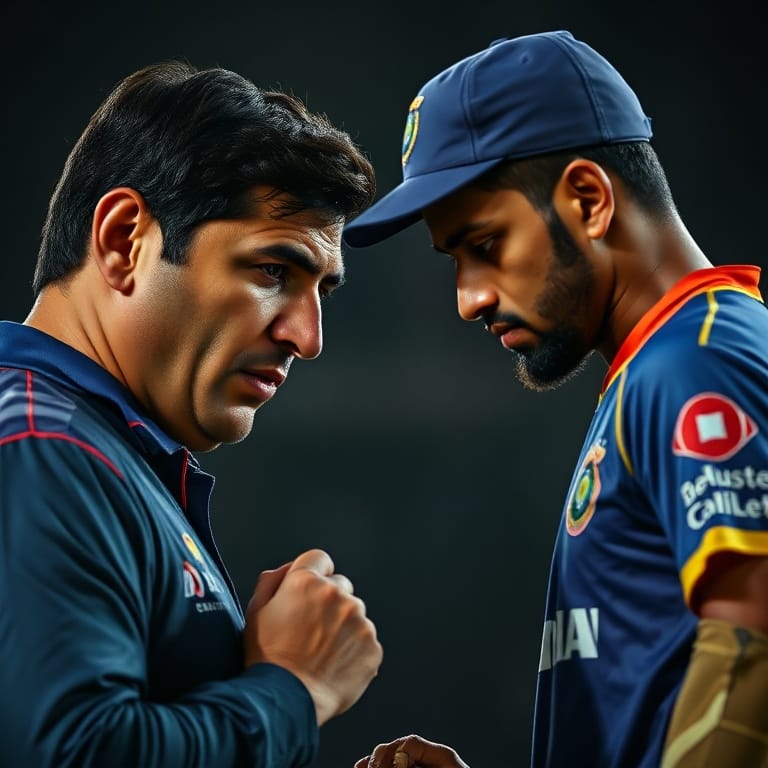
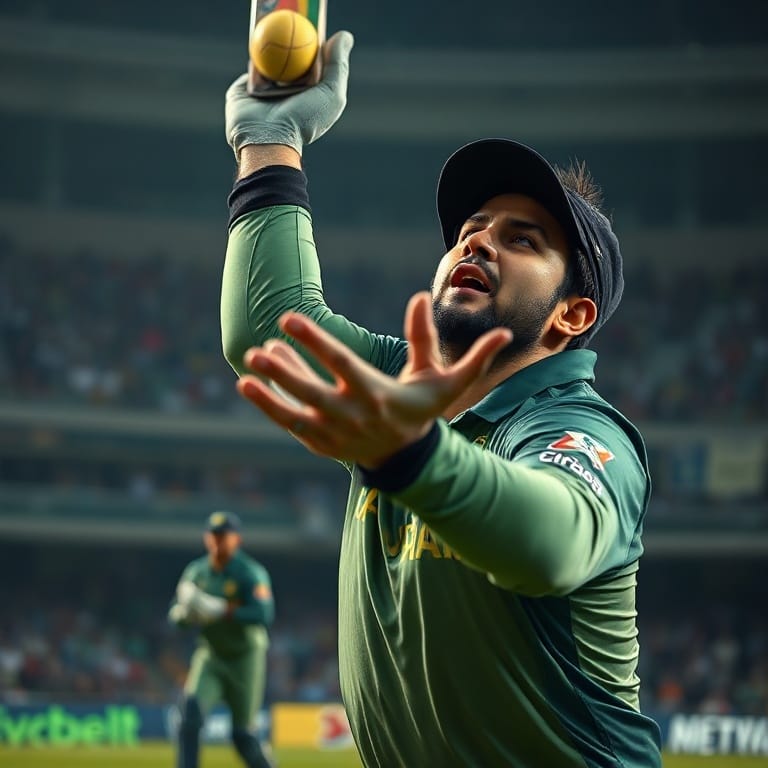
Delhi Capitals’ update on Lungi Ngidi kept the cricket world on edge after the South African pacer suffered a head injury in a high‑octane IPL 2026 clash. The incident sparked a cascade of tactical shifts, fan reactions and questions about player safety on hard outfields.
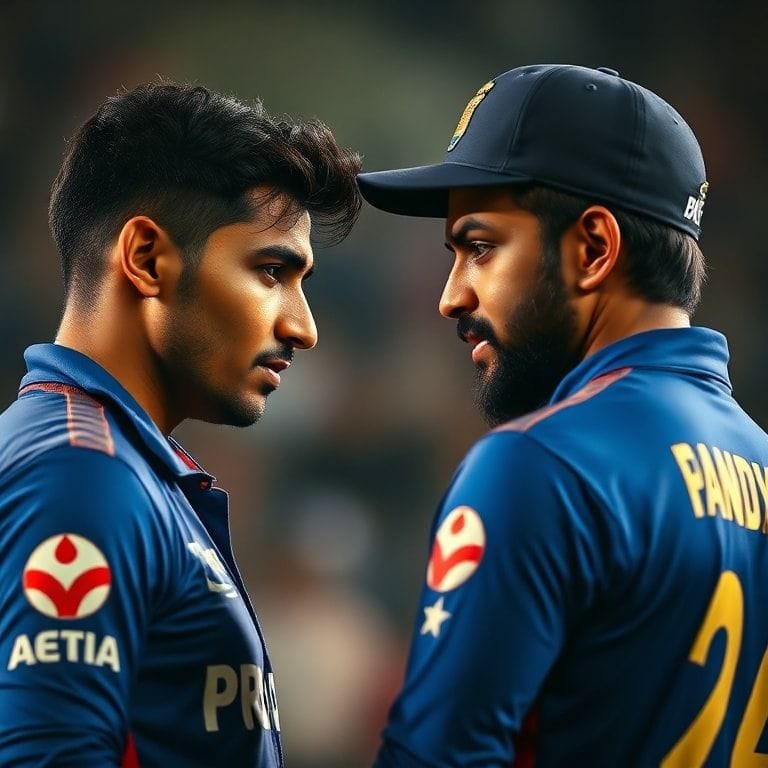
Punjab Kings chased down a mammoth 265, rewriting IPL chase records, while Delhi’s batting fireworks from KL Rahul fell short. The injury not only altered the on‑field balance but also forced the Capitals to test concussion‑sub rules, a development worth dissecting for future tournaments.
The Stats Behind the Strategy
| Metric | Delhi Capitals | Punjab Kings |
|---|---|---|
| First‑innings total | 264/2 (20 ov) | 265/4 (19.5 ov) |
| Runs needed after 10 overs | 140 | 162 |
| Boundary count (fours+six) | 43 | 55 |
| Economy of primary pacers (first 6 ov) | 8.5 runs/over | 9.2 runs/over |
| Concussion substitute impact | Vipraj Nigam – 1/26, 0 wkts | — |
The numbers reveal why Punjab’s chase felt inevitable. Their run‑rate after the 10‑over mark surged past 9 runs per over, outpacing Delhi’s middle‑order acceleration. The abundance of boundaries—especially sixes—kept the pressure on the Capitals’ bowlers, who were already on the back foot after Ngidi’s early exit.
Tactical Shifts After the Injury
Ngidi’s injury came in the third over, just as Delhi was looking to use his speed to stifle Punjab’s top order. With the left‑arm quick gone, captain Rishabh Pant had to rethink the bowling plan on a surface known for its low bounce and fast pace. The decision to bring Vikash Singh in as a first‑change was logical; his ability to swing the new ball on Delhi’s hard outfield gave a brief respite.
When the concussion substitute, leg‑spinner Vipraj Nigam, entered the fray, the Capitals suddenly had a spin‑heavy attack. Delhi’s coaching staff opted to let Nigam bowl his full four overs, banking on his variations to disturb Punjab’s chase momentum. The gamble paid modestly – he kept runs down to 6.5 per over but failed to claim a wicket, highlighting the risk of substituting a pacer with a spinner in the death overs.
Player Mindset and Venue Linkages
KL Rahul’s 152* was a textbook innings on a flat pitch that rewards precise timing. The Arun Jaitley Stadium’s red‑soil outfield offers little assistance to seamers, pushing them to rely on pace and movement. Ngidi, accustomed to the bounce of South Africa’s high‑altitude venues, found the Delhi surface unforgiving, a factor that may have contributed to his mis‑judgment while fielding.
Punjab’s opener Priyansh Arya, a known cutter on slow Australian tracks, exploited the pace by slicing the ball in the mid‑off corridor, a region where the ball tends to stay low and race to the boundary. His aggressive approach set the tone for the chase, showing how a player’s skill set can mesh perfectly with a venue’s characteristics.
Tournament Implications
Delhi’s loss drops them to the lower half of the IPL points table, making every remaining match a must‑win. Their bowling attack now lacks a genuine fast‑bowling threat, pushing the franchise to look at short‑term solutions – perhaps a domestic quick like Akash Singh or a bolstered spin unit.
Punjab Kings, on the other hand, have cemented their position as a lethal chase side. Their ability to chase 260+ scores in the second half of the tournament forces other teams to reconsider batting first. Teams will likely prioritize deep batting line‑ups and flexible middle‑order strategies to counter the Kings’ momentum.
Fan Perspective and Grounded Opinions
Fans across social platforms expressed a mix of relief and frustration. While many praised the quick medical response and the franchise’s transparent update, a vocal segment questioned the adequacy of protective gear for fielders on hard surfaces. The incident reignited debates about concussion protocols and the suitability of certain venues for high‑intensity T20 cricket.
Supporters of Delhi also highlighted the emotional toll of seeing a match‑winning partnership crumble after a teammate’s injury. The sentiment was clear: cricket is as much about mental resilience as it is about skill. For the Capitals, rebuilding confidence will be as important as filling Ngidi’s void.
In the broader fan dialogue, the IPL community lauded the concussion‑sub rule, viewing it as a progressive step towards player safety. Yet, the practical execution – a spinner replacing a pacer – sparked discussions on whether the rule should allow like‑for‑like replacements to preserve the tactical balance.
As the season progresses, the lessons from Delhi’s encounter with Punjab will echo in boardrooms, dressing rooms, and fan forums alike. The balance between aggression and caution, especially on demanding venues like Arun Jaitley Stadium, will define the next wave of IPL strategies.
Cricket Desk: Want more on Associate cricket strategy? Check out our Associate cricket strategy Latest News & Stats.