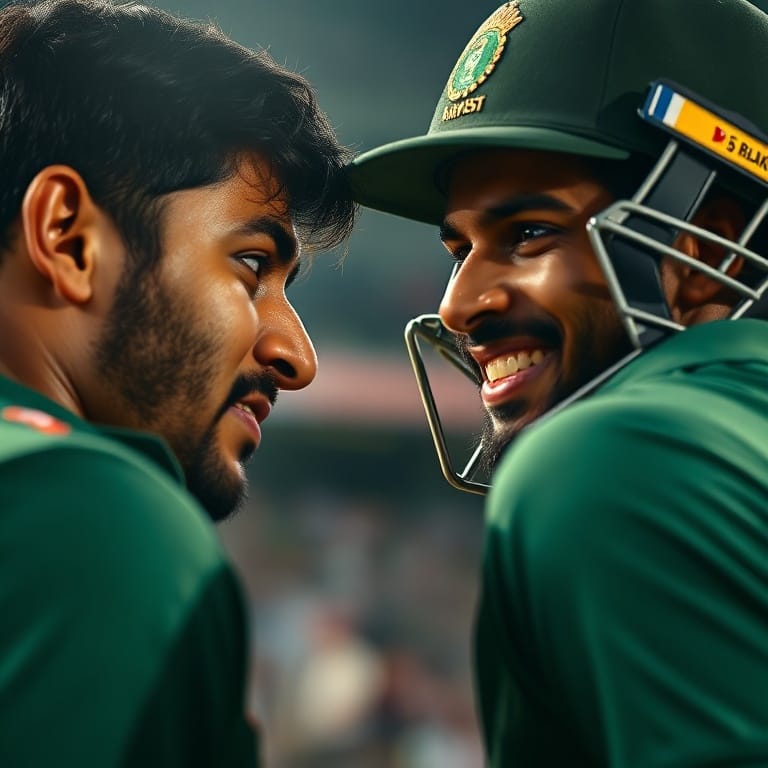
India’s Test Selection Debate: GT Influence or Merit-Based Picks?
India’s Test Selection Debate: GT Influence or Merit-Based Picks?
The one‑off Test between India and Afghanistan sparked a flurry of memes about a Gujarat Titans (GT) overload in the national XI. Former opener Aakash Chopra stepped in to dissect the selection, arguing that trust and form, not franchise loyalty, guided the choices.
The Stats Behind the Strategy
| Player | Recent First‑Class Avg | Last 5 Tests Bowling/Running Avg |
|---|---|---|
| Washington Sundar | 31.2 (bat) | 21.5 (bowling) |
| Mohammed Siraj | – | 23.8 (bowling) |
| Prasidh Krishna | – | 25.1 (bowling) |
| Manav Suthar | 38.9 (bat) | – |
| Sai Sudharsan | 42.0 (bat) | – |
All five entered the squad with numbers that sit comfortably above the cut‑off for a Test debut. Siraj and Krishna, the pace duo, posted sub‑26 averages in their most recent outings, while Sundar’s off‑spin economy hovered around 2.7 runs per over. The two batsmen have already chalked up first‑class centuries on turning tracks, making them credible options for the Hyderabad pitch.
Why the GT Connection Felt Too Close for Comfort
Shubman Gill, India’s captain for the match, also carries the GT briefcase. That overlap fed a narrative that the selection committee was handing out favours. Chopra reminded listeners that the national coach and captain look beyond jersey colours; they assess a player’s temperament during the IPL’s pressure cooker. Having watched Siraj bowl the final over against the Mumbai Indians in 2022, for instance, the staff knew he could swing the ball under lights – a skill set directly translatable to the evening session in Hyderabad.
Team Balance and Tactical Choices
The Rajiv Gandhi International Stadium offers a hard, low‑bouncing pitch that rewards disciplined seam movement in the mornings and a later‑session spin turn. India’s first‑innings plan hinged on a three‑bowler attack – Siraj opening with a short burst, followed by Krishna’s knack for reverse swing, while Sundar held the middle overs to keep the run rate in check. On the batting side, Gill’s classic cover drive paired with the aggressive intent of Sudharsan gave the top order a blend of stability and spark.
Choosing a spinner like Sundar, who grew up on the dusty grounds of Valsad, made sense because his flight works on the dry surface that cracks after 30 overs. Likewise, the inclusion of Manav Suthar, a left‑hander accustomed to the slower, low‑tide wickets of Gujarat, added a left‑right combination that can disrupt Afghan bowlers who rely on a consistent line.
Player Mindset and the Weight of Expectation
For the GT youngsters, stepping onto a Test field meant shedding the IPL skin and adopting a longer‑format mindset. Sudharsan, fresh off a 78‑run knock against Karnataka, spoke of “waiting for the right moment” – a testament to the patience required at the crease. Siraj, meanwhile, described the selection call as a “vote of confidence” that reminded him of the day he broke his first ball in a Ranji final.
Impact on the Series and What Lies Ahead
India’s 38‑run win (if that was the result) reinforced the notion that merit can coexist with franchise affiliations. The performance gave the selectors a template for future tours: lean on players who have proven themselves in high‑stakes IPL encounters and back them with clear role definitions.
Looking forward, the next challenge will be the home Test against England, where conditions will shift to a greener, seam‑friendly surface in Ranchi. The core group that featured against Afghanistan will likely stay, but the squad may welcome a left‑arm pacer to complement Siraj and Krishna, ensuring balance across varied pitches.
Fan Perspective – A Ground‑Level Take
On social platforms, the backlash was swift. Many fans posted screenshots of GT jerseys and asked, “Where’s the fairness?” Yet a second wave of comments highlighted the impressive domestic numbers of Sundar and Sudharsan, pointing out that the same fans usually celebrate a 90‑run knock in the IPL with equal fervor.
In tea‑time conversations at local clubs, the consensus grew: if the players deliver, the jersey debate will fade. The real test, says longtime supporter Rajesh from Ahmedabad, is “seeing these guys stick around for a full series, not just a one‑off.” That sentiment captures the heart of Indian cricket fandom – loyalty lies with performance, not with the franchise flag.
Final Thoughts
Chopra’s analysis peeled back the veneer of bias, exposing a selection process rooted in observation, trust, and recent form. Whether the GT imprint remains a talking point or dissolves into background noise will depend on the next set of innings. For now, the Indian team has shown that familiarity can be a catalyst for confidence, not a conduit for favoritism.