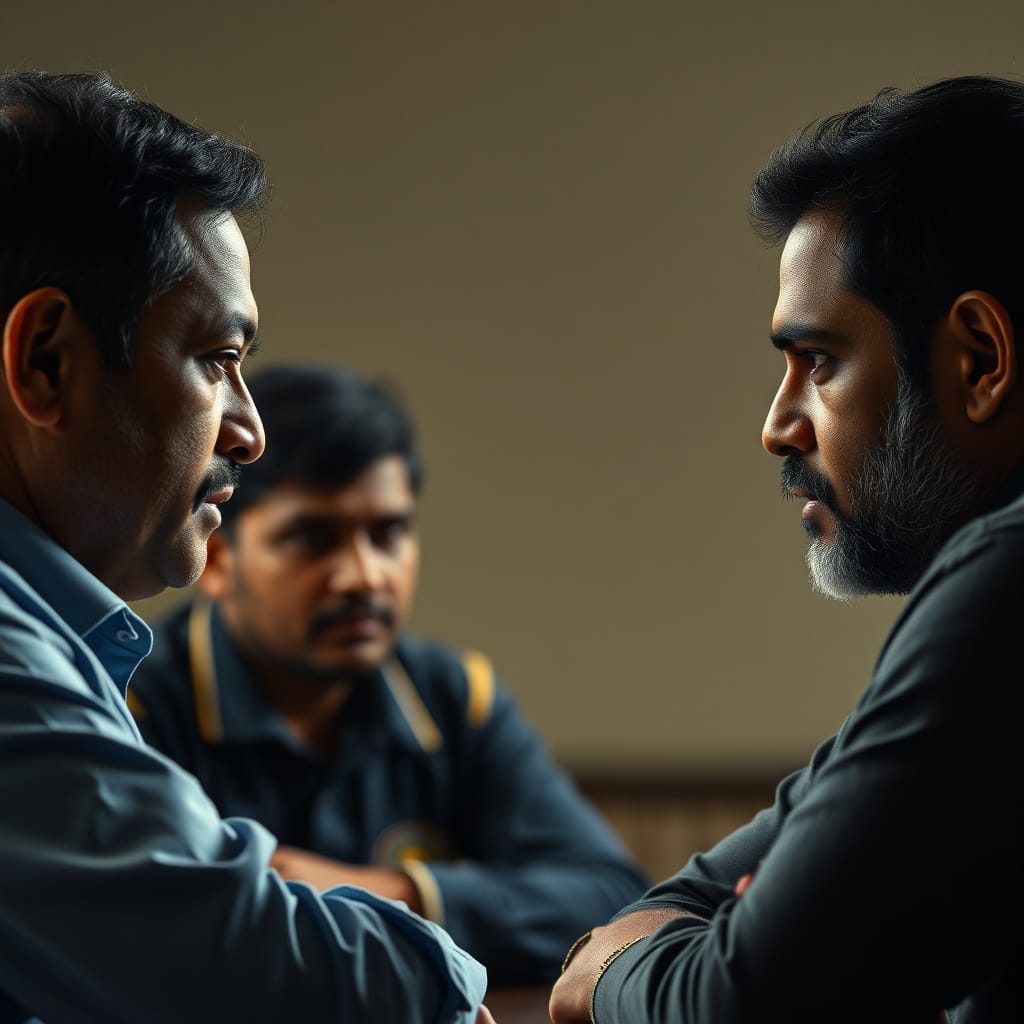
India vs Sri Lanka: A Pivotal Test Series in the World Test Championship Race
India vs Sri Lanka: A Pivotal Test Series in the World Test Championship Race
The Sri Lanka Cricket board has just released the dates for India’s two‑match Test tour in August, a fixture that will decide a lot of points in the 2025‑27 World Test Championship. Both sides sit on the cusp of the top‑five, so every wicket, every run, could tip the balance toward a place in the 2027 final.
What makes this series special isn’t just the history – the last time India visited, they swept 3‑0 under Virat Kohli – but the fact that the games will be played on two of the subcontinent’s most characterful pitches. Galle’s coastal breeze and sloping turf, and the SSC in Colombo with its compact bounce, will force the captains to think beyond the usual line‑up.
The Stats Behind the Strategy
| Venue | Average First‑Innings Score (2020‑2024) | Spin Wickets (Last 10 Tests) | Fast‑bowling Avg. |
|---|---|---|---|
| Galle International | 378 runs | 6.2 per match | 28.5 |
| SSC, Colombo | 415 runs | 4.8 per match | 31.1 |
Galle’s numbers tell a clear story – the pitch rewards patience and turns sharply after the third session. SSC, while a bit higher in total runs, still hands the ball to spinners once the shine wears off. Fast bowlers have kept their averages in the high 20s at both grounds, meaning a well‑executed new‑ball spell can still make a dent.
Why the Venues Shape the Selections
India’s current squad is a blend of youth and experience. Shubman Gill, the stand‑in skipper, prefers to open with a solid pair – often Rohit Sharma and a young test‑ready opener like Prithvi Shaw. In Galle, Rohit’s measured aggression can set a platform before the turn starts to bite. On the slower SSC track, Gill may look to promote a middle‑order stabiliser such as KL Rahul to absorb the spin early and then unleash a hard‑hitting partner.
Spin will be the real X‑factor. Ravindra Jadeja, with his handy left‑arm orthodox, has 130+ Test wickets and a knack for exploiting the grip on Galle’s red soil. The Sri Lankan side will likely bank heavily on Maheesh Theekshana and Ramesh Mendis. For India, the decision to play off‑spinner Axar Patel versus second‑spinner Ravichandran Ashwin will hinge on the match situation. At Galle, Ashwin’s ability to bowl the “doosra‑style” leg‑turn could be a surprise, while at SSC a tighter line from Axar might lock down the middle overs.
Team Tactics and the Mindset Required
First‑innings dominance is the mantra for both teams. Sri Lanka’s home advantage rests on making the opposition bat through the turn, forcing errors that turn into wickets. Their captain, Dasun Shanaka, will likely keep the new‑ball bowlers short – Naveen-ul-Haq and Dananjaya de Silva – to swing the ball over the seam before the pitch flattens.
India, on the other hand, will want to chase a low total if the pitch deteriorates quickly. That means a flexible batting order: the ability to promote an all‑rounder like Washington Sundar at number five if the early wickets fall, or to send in a night‑watchman who can hold one end while the spinners take over. The mental approach has to balance aggression with caution – a mistake on a turning track can become a 30‑run over.
What This Means for the World Test Championship
Both teams sit just outside the top‑four. A win in Galle gives the victors four points, plus a bonus point for a 150‑run lead. A series win (two points) would boost India to third or keep Sri Lanka within striking distance of the top‑five. The points table is tight – a single drawn match could be the difference between a semi‑final berth and watching from the sidelines.
India’s recent form has been uneven. They’ve won four, lost four, drawn one. The series in England and the upcoming T20I against Zimbabwe have stretched the calendar, so squad rotation may be inevitable. If they rest a senior pacer like Jasprit Bumrah, the fresh legs of Mohammed Shami could carry the new‑ball duties, but the cost will be experience in high‑pressure spin conditions.
Sri Lanka, with a lighter schedule, can field their best XI. The likelihood is that they’ll keep their frontline spinner, Theekshana, for the whole duration, giving him the chance to settle into a rhythm. The real test for them will be the ability to bat long enough to set a target, something they have struggled with in recent years.
Fans’ Angle: Hope, Anxiety, and Anticipation
In Colombo cafés and Galle tea houses, the buzz is palpable. Sri Lankan fans recall the 2017 drubbing and hope the home crowd can create a wall of noise that unsettles the Indian batsmen. The “Lion’s Roar” chant is expected to echo through SSC’s historic stands, turning the ground into a fortress.
Indian supporters, many traveling after a long white‑ball tour, are keen to see the newer generation stake a claim. The social media chatter is full of memes comparing Gill’s cool under pressure to past legends, and speculation on whether the younger pacers can hold up against the spin on a soft surface.
Both sets of fans understand the stakes: a win not only earns points but also restores pride. For Sri Lanka, a victory would be the first over India in Tests since 2008 – a psychological lift that could cascade into the limited‑overs arena. For India, a series win would re‑assert dominance in the subcontinent and keep the World Test Championship dream alive.
What Comes Next?
After the August series, the WTC calendar moves toward the high‑altitude contests in New Zealand and the fast‑bowling‑friendly venues in England. The points gained (or lost) in Sri Lanka will dictate how aggressively the teams approach those challenges. India may need to chase a win in New Zealand to keep their top‑four hopes, while Sri Lanka will hope the Galle and Colombo points keep them afloat for a final showdown against South Africa later in the year.
the Galle‑SSC swing is more than just two Tests; it is a pivot in a marathon that could define the next two years of Test cricket. The players, the strategies, and the fans all know that every session matters, and the story will unfold under the August sun.