India vs Pakistan Women’s T20 WC Showdown: Tactical Breakdown and Tournament Implications
India vs Pakistan Women’s T20 WC Showdown: Tactical Breakdown and Tournament Implications
India and Pakistan are set to clash in the sixth Group 1 game of the ICC Women’s T20 World Cup 2026 at Edgbaston, Birmingham. The encounter carries extra weight because it opens India’s campaign and pits two arch‑rivals against each other, giving both sides a chance to stamp their personality on the tournament.
Match Context
After a warm‑up win over the West Indies and a narrow five‑run loss to England, India entered the group stage with a mix of confidence and a reminder of how quickly games can slip away. The loss to England highlighted a missing middle‑order partnership, but the explosive innings by teen sensation Richa Ghosh (68 off 36) reinforced the belief that any batter can change a game in a flash. Pakistan, meanwhile, have arrived in England with a solid batting core and a disciplined bowling unit that thrives on exploiting English swing.
Tactical Analysis and Team Decisions
Harmanpreet Kaur’s call for “fearless cricket” translates into a clear plan: start with aggression, use power‑play overs to dominate the run‑rate, and keep wickets in hand for a late surge. The Indian management has shuffled the batting order, promoting Richa Ghosh to the No 3 slot to give her more balls on the deck, while retaining Harmanpreet at No 1 to set the tone. The spin trio – Pooja Vastrakar, Shafali Verma (who bowls part‑time) and Deepti Sharma – will rotate based on pitch wear, expecting the Edgbaston surface to dry quickly and offer turn after the half‑hour mark.
Pakistan’s strategy hinges on disciplined line and length in the first ten overs, aiming to curb the aggressive starts. Their seamers, especially their left‑arm pacer, will look to swing the new ball both ways, exploiting the early moisture. In the middle overs, they plan to bring on their off‑spinner, a bowler who has been effective on English greens, to lock down the run‑rate while snaring wickets.
The Stats Behind the Strategy
| Metric | India (last 5 T20Is) | Pakistan (last 5 T20Is) |
|---|---|---|
| Average opening partnership | 48.2 runs | 31.4 runs |
| Runs scored in Powerplay (first 6 overs) | 55.6 | 42.1 |
| Wickets lost in Powerplay | 1.2 | 2.0 |
| Strike rate of batters above 30 | 138.5 | 124.3 |
| Economy rate of spinners | 5.8 | 6.4 |
These numbers show why India wants to capitalize early – they have a higher opening partnership average and a better power‑play run tally. Pakistan’s higher wicket loss in the first six overs suggests that a disciplined opening spell could tilt the balance in their favour.
Player & Venue Linking
Edgbaston’s pitch is known for a lively bounce in the early session, then a gradual slowdown that helps spinners. Shafali Verma’s flat‑bottomed drive thrives on that bounce, while Deepti Sharma’s off‑spin becomes more deceptive as the surface settles. Richa Ghosh, who grew up playing on similar hard‑pitch conditions in Bangalore, is comfortable against swing, making her an ideal candidate to counter the English seam attack.
On the Pakistani side, bowler Sana Mir (the pace spearhead) has performed well on the slower, greener pitches of Cardiff, and her ability to extract movement should translate well to Edgbaston’s early moisture. Their middle‑order, anchored by Nida Dar, can anchor the chase once the top order has set a platform, echoing the role India expects from Pooja Vastrakar.
Tournament Impact and What Comes Next
A win for India not only adds points but also builds momentum against a group that includes Australia, South Africa, Bangladesh and debutants Netherlands. Taking three points from Pakistan would place India near the top of Group 1, giving them a cushion before the tough matches against Australia and South Africa.
Pakistan, on the other hand, needs a win to stay alive in the race for the knockout spots. A loss could force them into a must‑win scenario against either Bangladesh or the Netherlands, where net‑run‑rate could become decisive.
Fans’ Take and Grounded Opinions
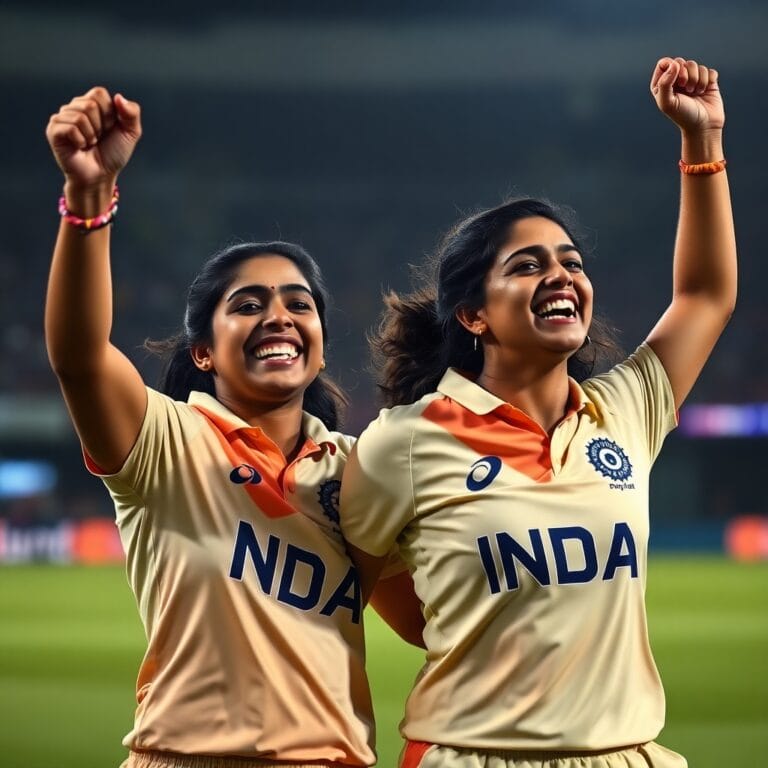
The Indian fan base is already buzzing, turning social media into a chorus of chants and colourful banners. Many fans see this as the perfect stage for the younger generation like Richa to shine, while veterans hope Harmanpreet’s aggression translates into a solid total rather than a reckless approach.
Pakistani supporters, many gathered at local clubs across the UK, are hoping for a disciplined chase that mirrors the classic “ball‑by‑ball” tenacity of their men’s side. The narrative of fearlessness is resonating on both sides, but fans stress the importance of staying grounded – a single rash shot could give the opposition a window that is hard to close.
In the end, the match is more than a rivalry; it’s a litmus test for how each side adapts to English conditions, balances aggression with composure, and handles the pressure of a world stage. Whatever the result, the clash will set the tone for the rest of the tournament and give us a glimpse of the personalities that will shape women’s cricket in the years ahead.
Explore more: Tactical Breakdown: Cricket Match Strategy Explained