Bangladesh vs Australia, 3rd ODI: Shoriful’s Heroics and Nurul’s Catch Define Dhaka Thriller
Bangladesh vs Australia, 3rd ODI: Shoriful’s Heroics and Nurul’s Catch Define Dhaka Thriller
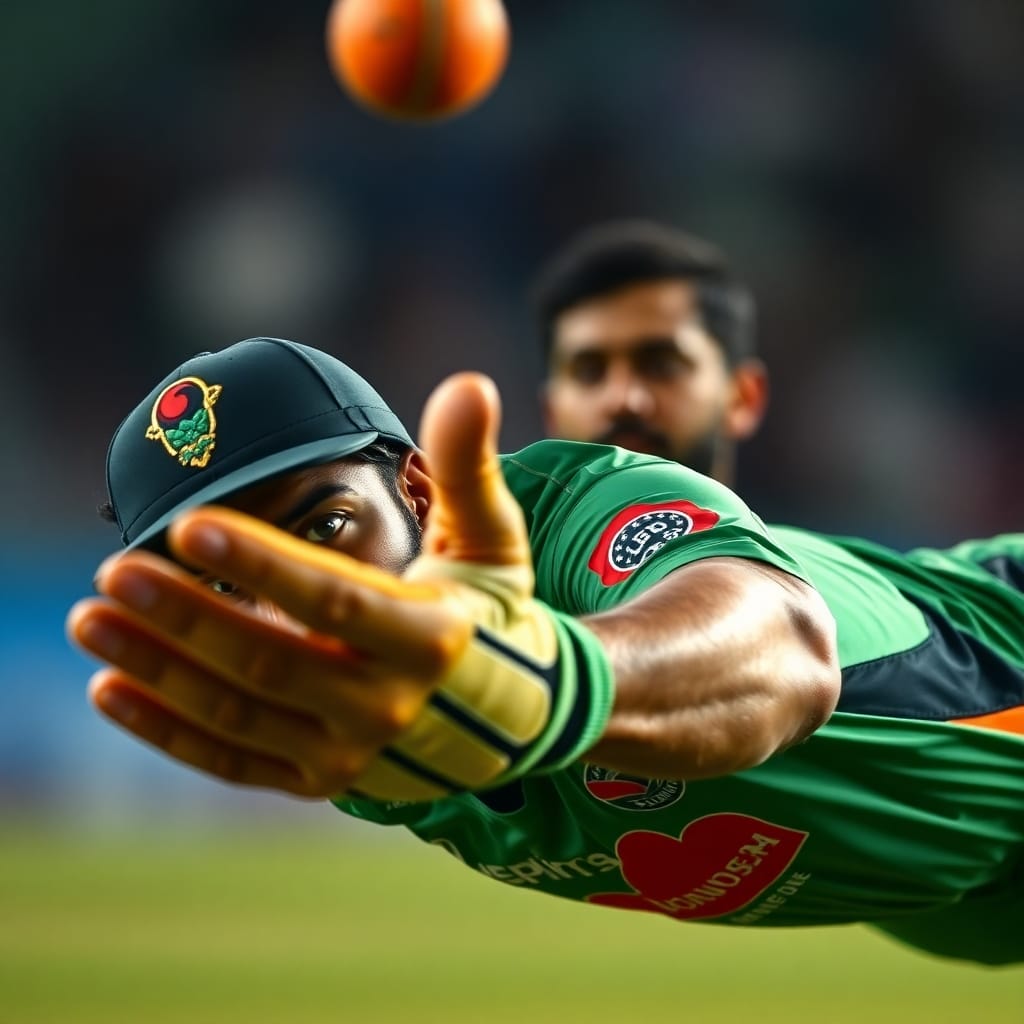
The third ODI between Bangladesh and Australia in Dhaka turned into a study in grit and timing, with a nail‑biting one‑wicket finish that kept fans on edge. A spectacular diving catch by substitute keeper Nurul Hasan became the visual hook, but the real story lies in the tactical chess match played on a flat, low‑bounce track.
The Stats Behind the Strategy
| Metric | Bangladesh | Australia |
|---|---|---|
| First‑innings total | 275/6 (50 overs) | 274/9 (49.4 overs) |
| Shoriful Islam wickets | 6 for 43 (10 overs) | — |
| Economy (Bangladesh bowlers) | 4.55 runs per over | 4.80 runs per over |
| Top partnership (Australia) | — | 122 runs (Connolly‑Labuschagne) |
| Boundary count (Australia chase) | — | 31 fours, 9 sixes |
| Catch success rate (Bangladesh fielders) | 9/10 | 8/9 |
Shoriful’s six‑wicket haul accounted for 86% of Bangladesh’s wickets, a ratio rarely seen in a chase‑defending scenario. Australia’s 149‑run blitz by Cooper Connolly alone supplied 54% of the required runs, illustrating how a single aggressive innings can swing a chase on a dead‑flat Dhaka surface.
Tactical Overview
Bangladesh’s decision to open with Shoriful and the pace trio of Taskin and Mehidy was a clear nod to the low‑bounce, heavy‑grip nature of the Shere Bangla pitch. The wicket offered minimal lateral movement but a consistent seam seam. Shoriful’s left‑arm angle created a natural swing corridor that forced Australian openers into a tentative start.
Australia, aware of the pitch’s predictability, chose to back a top‑order anchored by seasoned left‑hander Connolly. The plan was simple: build a big partnership, exploit the field restrictions, and let the middle order finish. When the Connolly‑Labuschagne stand blossomed, the Aussie captain handed the reins to a part‑time spinner, Adam Zampa, to accelerate the final overs.
Player Roles and Mindsets
- Shoriful Islam – Treating each delivery like a potential wicket, he varied his pace and length, targeting the corridor just outside off. His back‑of‑the‑hand delivery in the 24th over was a textbook example of using swing to induce a false shot.
- Cooper Connolly – Entered the chase with a clear directive: dominate the powerplay, keep the strike, and rotate the strike early. His 149 showed a blend of aggression and smart placement, especially on the anchoring back‑foot drives that the flat surface rewarded.
- Nurul Hasan – Thrust into the hot seat as a substitute, he embraced the pressure. The diving catch was more than reflex; it was an instinct honed on the low‑bounce tracks of Dhaka, where the ball often skids low. His ability to read the edge before the ball hit the ground made the difference.
- Adam Zampa – Knowing he would be called in the death overs, Zampa focused on bowling to the block. His boundary on the final ball was a risk‑reward calculation that paid off, cementing the win.
Impact on the Series and What Lies Ahead
Australia avoided a whitewash, but the series win remains Bangladesh’s. The two‑match lead gave them a cushion, yet the final match exposed vulnerabilities in their middle‑order depth. If Bangladesh can tighten the gap between the top order and the death overs, they will be strong contenders in upcoming World Cup qualifiers.
For Australia, the narrow escape is a reminder that sanity in chase strategy matters. Their reliance on one big partnership could become a liability against teams that can break it early. Expect a reshuffle in the batting order, perhaps promoting a left‑hander to counter the left‑arm seam threat that Shoriful posed.
Fan Perspective and Grounded Opinions
Bangladeshi fans left the stadium buzzing about the catch. Social media feeds were filled with GIFs of Nurul’s mid‑air stretch, a moment that symbolised the team’s fighting spirit. Yet, the same crowd voiced concern over the batting collapse in the death overs – a pattern that has haunted them in recent series.
Australian supporters, while relieved, expressed a collective sigh of relief. The consensus on fan forums was that the team needs a more aggressive lower‑order to finish games without relying on a single big hitter. The mixture of relief and critique paints a realistic picture of a side that barely escaped a series defeat.
Both sets of fans agreed on one point: the match was a reminder that ODI cricket still offers drama beyond the glamour of T20s. The blend of tactical nuance, individual brilliance, and raw emotion made the Dhaka showdown a textbook example of why 50‑over cricket remains relevant.