India A vs Sri Lanka A Final: A Clash of Talent and Tactics in Dambulla
India A vs Sri Lanka A Final: A Clash of Talent and Tactics in Dambulla
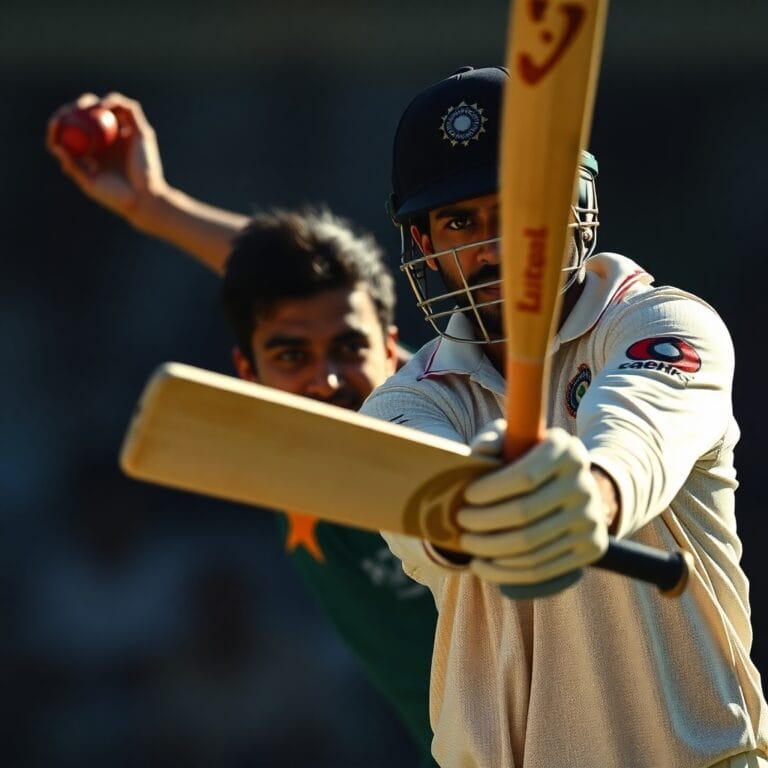
The final of the A‑level ODI tri‑series in Dambulla has turned into a clash of nerves as much as a test of skill. India A and Sri Lanka A will meet at the Rangiri Dambulla International Stadium on June 21, and the spotlight is not just on the bowlers but on teenage opener Vaibhav Suryavanshi, whose recent on‑field drama has added a psychological twist to an already fierce contest.
The Stats Behind the Strategy
| Metric | India A | Sri Lanka A |
|---|---|---|
| Avg. 50‑over score (last 5 games) | 257 | 263 |
| Top 3 wicket‑takers (economy) | Arshad Khan (4.2) | Kugathas Mathulan (4.5) |
| Runs from left‑handers at Dambulla | 84 (Suryavanshi 32, Shedge 30) | 76 (Dickwella 38) |
| Super Over win‑loss record | 1‑0 | 0‑1 |
Dambulla’s pitch is known for a dry, crumbly surface that offers turn after 30 overs, yet it also grips the pace ball early on. India’s plan will be to exploit the seam movement in the opening spell, then let the spinners take over as the surface cracks. Sri Lanka, on the other hand, will aim to reverse the pressure with a spin‑heavy attack, banking on the home crowd’s energy to force errors.
Tactical analysis and team decisions
Both captains have set their line‑ups to balance experience with youth. Tilak Varma, who led India A to an eight‑run win in the opening match, will likely open the bowling with Arshad Khan, whose miserly 50th over in the previous game proved he can hold the reins when the chase looks tight. The pacer’s ability to swing the new ball will be crucial in the first 10 overs, especially with the Dambulla dew making the outfield slower.
Sri Lanka’s skipper Sahan Arachchige, a steady left‑hander himself, will probably roll his spin trio – Mathulan, a wrist spinner who rattled India with yorkers, and a second spinner who thrives on the low bounce. The decision to keep an extra pacer in the XI reflects confidence in their seam bowlers to snare early wickets, a move that could upset Suryavanshi’s rhythm.
Player roles and mindset
Vaibhav Suryavanshi sits at the centre of the pre‑match narrative. The 15‑year‑old’s left‑handed aggression was both a weapon and a flashpoint in the previous encounter, where a Super Over loss saw tempers flare. Coach Ramesh Gupta has hinted that the youngster will be given a clear role – open the innings, play his natural attacking strokes, and let his teammates shoulder the pressure if early wickets fall.
For India, the middle order of Suryansh Shedge (72 in the last game) and Vipraj Nigam (51) will be the safety net. Their partnership in the final overs of the group match showed they can rebuild an innings after a top‑order collapse. On the Sri Lankan side, veteran Niroshan Dickwella will anchor the chase, using his experience of Dambulla’s turning turn to rotate the strike and keep the required run‑rate steady.
Tournament impact and what comes next
The final is not just a trophy fight – it’s a stepping stone for several players eyeing senior national call‑ups. A win for India A could fast‑track Tilak Varma, Arshad Khan, and Suryavanshi into the senior squad for the upcoming T20I series in Ireland. Sri Lanka A’s victory would reinforce the depth of their home‑grown talent, giving the selectors confidence ahead of the next World Cup qualifiers.
Beyond the immediate prize, the result may reshape the perception of ‘A’ cricket. A competitive final that stays true to the spirit of the game will quiet the critics who argued that developmental series should be free of drama. Conversely, any repeat of the post‑match frictions could prompt the boards to tighten codes of conduct for young players.
Fan perspective and grounded opinions
Supporters in Dambulla have been vocal about the need for fair play. While many admire Suryavanshi’s fearless approach, they also voice concern over the young player’s temperament. Social media threads show a split: some fans argue the boy should be given leeway, others feel a short suspension would teach a valuable lesson.
On the Sri Lankan side, the crowd’s excitement is palpable. The home crowd’s chants echo across the stadium, especially when the seamers deliver a tight spell. Local pundits say the key will be discipline – keep the aggression on the field, not in the locker room.
From an observer’s angle, the clash promises a blend of raw talent, tactical chess, and the emotional weight of a rivalry that has already delivered fireworks. Whether the final will be decided by a six, a spin‑induced catch, or a disciplined bowling unit, one thing is clear: the stage is set for a memorable conclusion to a tournament that has been anything but ordinary.