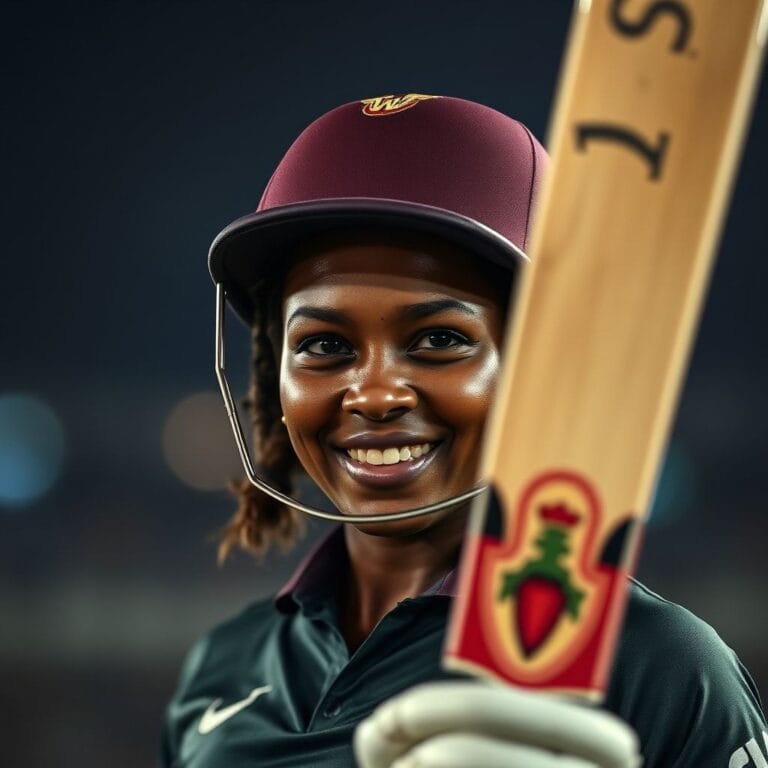
Glenn Phillips’ Oval Century: A Tactical Masterclass
Glenn Phillips’ Oval Century: A Tactical Masterclass
Glenn Phillips turned the tide at the Oval on Day 2, converting a nervous start into a maiden Test hundred that lifted New Zealand to 391 against a disciplined England attack. The innings matters because it signals a shift in Phillips’ game – from limited‑overs fire‑starter to a patient, technically sound Test batsman.
The Black Caps entered the innings on shaky ground. England’s seamers, led by Jofra Archer and Mark Wood, extracted bounce and lateral movement from a lively Oval pitch. Early wickets fell at regular intervals, leaving New Zealand teetering at 132 for 5. Phillips, coming in at No 6, sensed the need to steady the ship while keeping the scoreboard ticking.
The Stats Behind the Strategy
| Metric | Phillips at Oval (2026) | Phillips career average (Tests) | England bowlers’ economy (Day 1‑2) |
|---|---|---|---|
| Runs scored | 100 (126‑ball) | 28.7 | 3.12 runs per over |
| Boundaries | 8 fours, 2 sixes | 15 fours, 3 sixes per innings (avg.) | – |
| Partnerships (runs added) | 112 with Finn Allen (71 *), 78 with Michael Bracewell (23 *) | 66 (average for 6‑7 wickets) | – |
| Strike rate | 79.37 | 58.4 | – |
The numbers tell a story. Phillips’ strike rate was well above his Test norm, yet his innings was anchored by a lower boundary count that reflected the need to negotiate swing and seam. The two significant partnerships pushed New Zealand past the 300‑run barrier, neutralising England’s early burst.
Tactical Choices and Team Decisions
New Zealand’s captain, Tom Latham, made a clear call at the toss – defend first on a pitch that promised movement. That decision forced the Black Caps into a defensive mindset early on, which later required a counter‑punch. When Phillips arrived, Latham gave him the freedom to play across the line, a stark contrast to the traditional Test textbook that would have seen a player at No 6 play a purely defensive role.
The field placements shifted dramatically after Phillips settled in. Archer’s aggressive short‑ball strategy was met with deeper square‑leg and point, giving Phillips room to pull and cut. When Archer increased pace beyond 90 mph, Phillips requested sunglasses – a small but decisive adjustment that prevented glare from compromising his technique.
Player Roles, Mindset and the Oval Condition
Phillips entered the innings with the mindset of a crisis‑man. In limited‑overs cricket he thrives on power, but here he chose to blend aggression with restraint. His guard – a slightly open stance – helped him negotiate the seam swing, while a soft‑hands approach to the moving ball reduced the chance of edging to the slips.
The Oval surface, known for its red‑soil bounce and late‑day‑slow‑down, suited Phillips’ natural timing. He played late, allowing the ball to come onto the bat, which is essential on a pitch that often thins out after lunch. When the bowlers tried to extract extra bounce by shortening the length, Phillips responded with a textbook cover drive through mid‑wicket, a shot more associated with classic Test batsmen than a T20 finisher.
Tournament Impact and What Comes Next
New Zealand are now sitting at a competitive 391, a total that puts England under pressure in the fourth innings of the series. If the Black Caps can replicate Phillips’ approach, they could force a draw or even set a target that tests England’s lower order depth.
For Phillips, the innings cements his place in the Test XI. The selectors have hinted at a more balanced lineup that blends aggressive batting with resilient technique. A solid performance on a secondary pitch like the Oval could see him promoted to a top‑order role in the next series, especially against sub‑continental conditions where patience is prized.
Fan Perspective and Grounded Opinions
Social media erupted after the hundred. Fans praised the “glove‑on‑the‑ball” feel of Phillips’ stroke‑play, noting that his willingness to wear sunglasses was a quirky but bold statement of confidence. Some traditionalists argued the innings was “too aggressive for a Test”, yet the prevailing sentiment celebrated the balance of flair and fortitude.
From a spectator’s point of view, the innings revived the love for “big‑hit, big‑heart” cricket. The Oval, often associated with historic English victories, now hosted a moment that could be remembered as the turning point for New Zealand’s batting renaissance. As the series moves forward, the discussion will revolve around whether Phillips can keep this tone alive, and if England can adapt their seam attack to contain such hybrid players.
Phillips’ hundred is not just a personal milestone – it is a statement of intent for New Zealand, a challenge to England’s bowlers, and a reminder to fans that the modern Test game can accommodate both textbook technique and late‑inning flair.