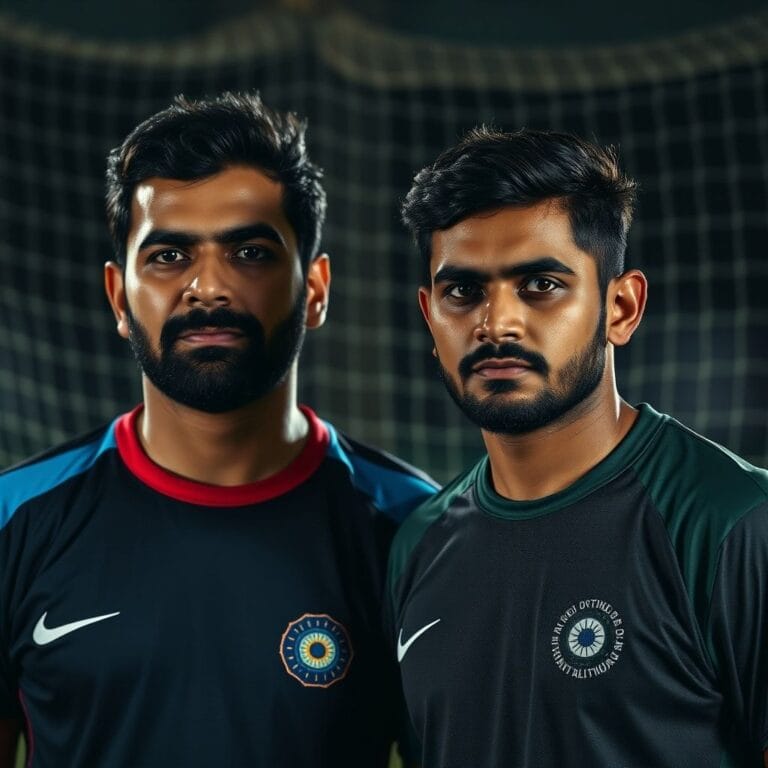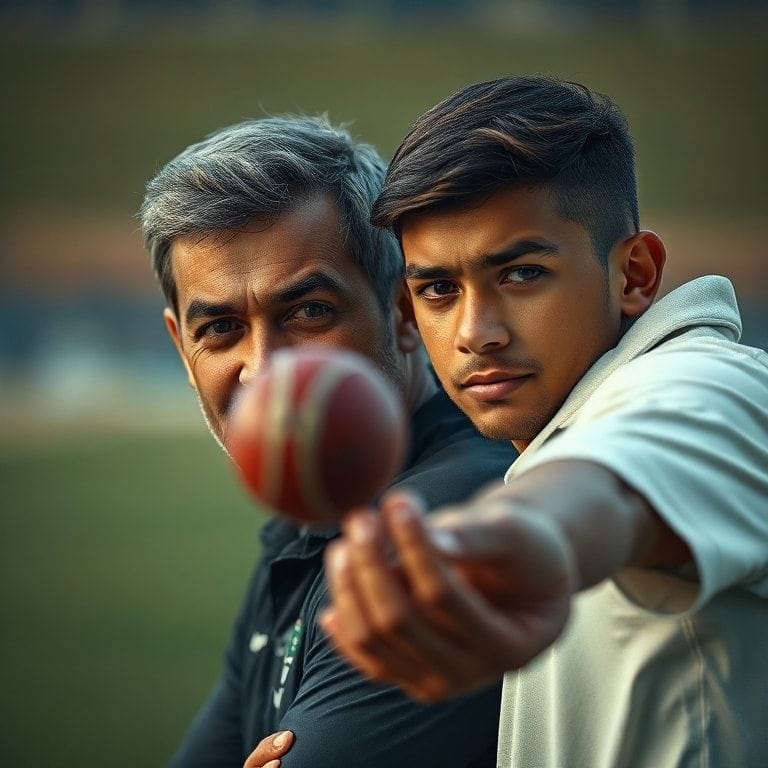
Dhoni’s Mentorship Transforms Noor Ahmad’s IPL Spin Bowling
How Dhoni’s Mentorship Revived Noor Ahmad’s Spin Fortune
This piece looks at how a seasoned captain helped a fledgling spinner rediscover his rhythm during IPL 2026, and why that revival could shape Chennai Super Kings’ title chase. The turnaround matters because middle‑over wickets are the missing link in a side that started the season on uneven footing.
Setting the scene
Chennai entered the 2026 edition with a lineup that mixed proven veterans and hungry youngsters. Early losses exposed a fragile bowling attack, especially in the 11‑20 over window where opponents piled on runs. Noor Ahmad, the 23‑year‑old Afghan leg‑spinner, was the most talked‑about failure. His first three outings yielded an economy north of nine and a wobbling length that seasoned batsmen exploited.
Enter the lock‑step of CSK’s culture: a senior figure stepping in, not to overhaul the system, but to fine‑tune a raw talent. The assistant bowling coach, Sridharan Sriram, confessed that a simple conversation with the captain, Mahendra Singh Dhoni, sparked the change. The narrative showcases how mentorship, rather than tactical overhaul, can be a game‑changer.
Why the middle overs mattered
CSK’s win‑loss column hinged on restricting the opposition after the powerplay. Their target was to keep runs below 6.5 per over while snagging wickets to break partnerships. Noor’s role was to be the surprise element, delivering slower balls and subtle turn that could force a catch‑or‑draw.
During the clash with Kolkata Knight Riders, the pitch at Chepauk offered a slight amount of moisture in the evening, slowing the ball just enough for a leg‑spinner to get a bite. Dhoni, aware of the conditions, suggested Noor focus on a tighter crease and more wrist spin rather than trying to force big turn. The advice translated into a disciplined line at 2‑4 meters, using a pronounced flick of the wrist to generate side spin.
Tactical tweaks that paid off
- Shorter arm ball: Noor introduced a back‑of‑hand delivery that drifted away from right‑handers, squeezing the middle‑order.
- Reduced loft: By keeping the ball flatter, he avoided giving the KKR batsmen the chance to free‑hit.
- Spot‑up field: Dhoni instructed a catcher at deep square leg and a short fine leg, a set‑up that paid when an attempted pull turned into a catch.
The result was a tidy 3/21 off four overs, swinging the momentum and sealing a 32‑run win. The spell did not rely on sheer pace but on variation, control, and an understanding of the pitch’s bite.
Player mindset and the mentorship factor
Noor entered the session with a visible slump – shoulders slumped, a few lost deliveries in the nets. Dhoni, known for his measured calm, spent about fifteen minutes discussing the mental aspect of spin: trust the hand, let the ball talk, and stay patient. The captain’s own experiences of turning games with simple changes resonated with the youngster.
After the chat, Noor reported feeling “lighter”, as if the weight of expectation had been peeled off. The mental reset allowed him to execute the technical points without overthinking. This blend of psychological ease and tactical clarity is what separates a fluke spell from a sustainable skill set.
The Stats Behind the Strategy
| Match | Noor’s Overs | Runs Conceded | Wickets | Economy |
|---|---|---|---|---|
| KKR vs CSK (Chepauk) | 4 | 21 | 3 | 5.25 |
| RCB vs CSK (Hyderabad) | 4 | 45 | 0 | 11.25 |
| SRH vs CSK (Delhi) | 4 | 38 | 1 | 9.50 |
The contrast is stark: before the KKR game, Noor’s economy hovered around ten, with wicket‑less outings. Post‑adjustment, his economy dropped by more than half and he claimed a crucial three‑for‑21. The numbers illustrate how a modest change in line and a confidence boost transformed raw data.
Linking player to venue
Chepauk’s historic southern turn has traditionally favored wrist spinners who can extract bounce from the low‑crouched surface. The venue’s red‑soil outfield slows the ball after it pitches, amplifying side spin. Noor’s ability to use the extra turn there, combined with a slower, more looping delivery, fit the ground’s natural assistance. In contrast, the flatter pitches in Hyderabad offered little grip, exposing his earlier length issues.
Impact on the tournament and what lies ahead
CSK sits in the middle of the points table, but the win over KKR brings them within touching distance of the top two. The revived spinner adds depth, giving the captain more options to rotate the attack. If Noor can replicate his Chepauk spell on other spin‑friendly tracks like Rajiv Gandhi International, CSK could become a formidable force in the middle overs.
Looking ahead, the next challenge is the high‑altitude pressure at Ranchi, where the ball talks less. The team will likely rely on faster variations and the seam attack, but having a spinner who can adapt keeps the balance. The mental resilience Noor showed, sparked by Dhoni’s words, may also inspire other young players to seek guidance rather than fight alone.
Fans’ take
Supporters on social media celebrated the spell with memes of Dhoni handing Noor a “magic wand”. The general sentiment is that coaching beyond tactics – the human element – is what makes CSK a beloved franchise. Critics, argue that relying on one spinner is risky; they urge the team to develop a secondary spin option.
the episode underscores a core truth in cricket: a few minutes of seasoned advice can pivot a player’s trajectory, and that ripple effect can swing a season.
Cricket Desk: Want more on Chennai Super Kings? Check out our Chennai Super Kings Latest News & Stats.