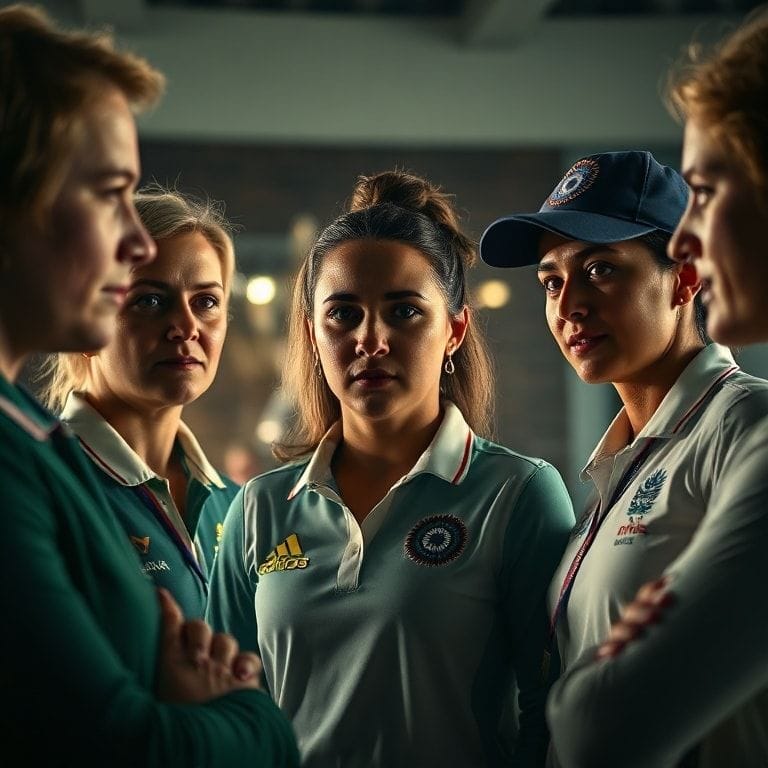
2026 Women’s T20 World Cup Prize Pool Rises to $8.76M
How the 2026 Women’s T20 World Cup Prize Pool is Changing the Game
The ICC has just announced an $8.76 million prize pool for the 2026 Women’s T20 World Cup, a leap that reshapes how teams approach the tournament. With a larger paycheck attached to every boundary, the stakes feel higher than ever, and the ripple effects will be felt in squad selection, on‑field tactics and the broader growth of the game.
The tournament expands to twelve nations, adding the Netherlands and Scotland to a field that already boasts powerhouses like Australia, India and England. The event will travel across England and Wales, kicking off at Edgbaston on June 12 and finishing in a dramatic finale at Lord’s on July 5. The new financial structure promises life‑changing sums even for teams that fall short of the final, meaning every match carries weight beyond the scoreboard.
The Stats Behind the Strategy
| Edition | Total Prize Pool (US$) | Champion Share | Runner‑up Share | Group‑win Bonus (per match) |
|---|---|---|---|---|
| 2024 | 7,900,000 | 1,970,000 | 985,000 | 28,400 |
| 2026 | 8,764,615 | 2,340,000 | 1,170,000 | 31,154 |
The numbers show a 10 % rise in the overall pool and a 19 % jump for the champions. The per‑win bonus climbs by more than 2,700 dollars, a figure that could fund full‑time contracts for emerging nations. Those extra dollars are likely to force traditional powerhouses to think beyond pure talent – depth, fitness and mental resilience become measurable returns on investment.
Match‑day Tactical Shifts
Coaches will feel the pressure to extract every run and wicket, because a single win now adds a six‑figure cushion to a team’s budget. In England’s seam‑friendly venues like Birmingham’s Edgbaston, where the pitch offers bounce and movement, teams may load their line‑ups with swing bowlers who can swing the ball early and force early wickets. The extra money attached to a wicket encourages captains to rotate bowlers more aggressively, looking for that breakthrough rather than settling for a defensive spell.
Conversely, venues such as the flat, low‑bounce tracks at Southampton’s Ageas Bowl will see a shift toward power‑hitting. Players like Australia’s Nat Sciver‑Black and India’s Harmanpreet Kaur, who thrive on hard‑hitting in short‑run conditions, become premium assets. Their ability to turn a 30‑run partnership into a 70‑run onslaught can swing the financial balance of a group‑stage campaign.
Player Roles and Mind‑set
For seasoned stars, the new prize pool adds a professional incentive that mirrors men’s cricket contracts. That financial reward mingles with personal ambition – the chance to become the first woman to lead a team to a $2 million prize is a narrative many will chase. Younger players from associate nations now have a clearer pathway: a solid performance in a single group‑match could secure a contract that funds a full season of cricket.
All‑rounders gain extra relevance. A player who can deliver five crucial overs and then hit a quickfire 30 runs offers dual value, especially when the group‑win bonus is on the line. In the Scottish setup, the dual role of Kathryn Bryce – a hard‑hitting middle‑order bat and a crafty off‑spinner – exemplifies the kind of flexibility that will be rewarded.
Impact on the Tournament Narrative
The expanded format creates three groups of four, meaning each side plays three matches in the opening round. With a guaranteed participation fee of $247,500, even the lowest‑ranked teams can afford better coaching staff and preparatory camps. The breathing room should raise the overall quality, leading to tighter contests and fewer one‑sided affairs.
Media coverage will likely intensify, as broadcasters can tout “high‑stakes” matches where every win translates to a tangible financial boost. Social media will amplify the drama; fans will follow the “prize chase” storylines as closely as they track runs and wickets.
Fans’ Perspective and Ground‑level Opinions
Supporters across England and Wales are already buzzing about the new prize structure. The promise of larger crowds at venues like Leeds’ Headingley, paired with a richer financial backdrop, fuels optimism that the women’s game will draw a surge in ticket sales and viewership. Local fan clubs are organizing watch‑parties where the focus isn’t just on the sport but on celebrating the increased recognition for women cricketers.
Critics argue the money alone won’t close the gap with men’s cricket, but many agree that the psychological lift is undeniable. When a team like the Netherlands walks onto the field at Edgbaston knowing a win could fund a full‑time domestic league back home, the narrative shifts from “participation” to “competition”.
What Comes Next?
As the countdown reaches 60 days, the real test comes how teams translate financial incentives into on‑field performance. Expect to see strategic rotations, aggressive batting orders and a heightened focus on wicket‑taking at the top of the order. The final at Lord’s will not just crown a champion – it will decide which nation capitalises most effectively on the new prize pool, setting a benchmark for the next decade of women’s cricket.
Beyond the trophy, the ripple effect will shape grassroots programs, attract sponsors and perhaps spark a new wave of professional contracts for women cricketers globally. The 2026 World Cup is shaping up to be a financial and sporting turning point, and every fan with a ticket or a streaming subscription will be part of that historic moment.
Cricket Desk: Want more on 2026 T20 World Cup? Check out our 2026 T20 World Cup Latest News & Stats.