Delhi Capitals’ Batting Woes: Can Stability Turn Around Their IPL 2026 Season?
Delhi Capitals’ Batting Woes: Can Stability Turn Around Their IPL 2026 Season?
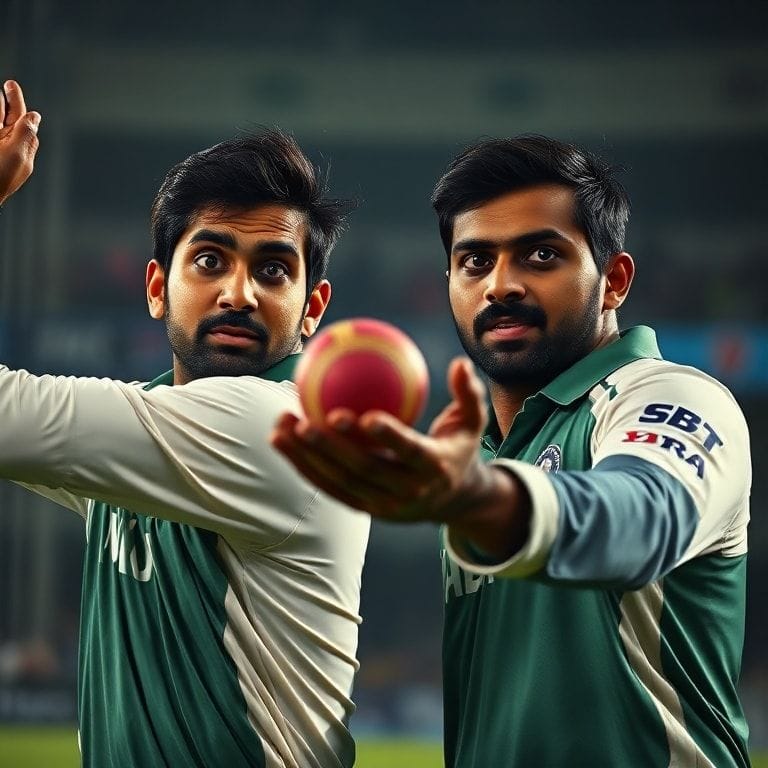
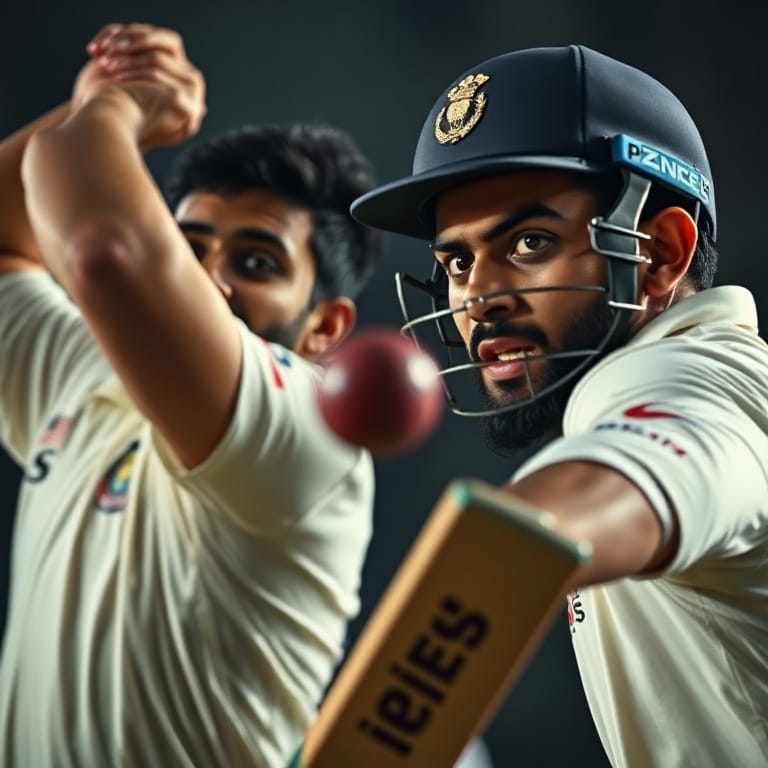
Delhi Capitals’ faltering IPL 2026 season has become a talking point across the league, especially after assistant coach Ian Bell publicly blamed batting instability for the team’s slide down the table. With playoff hopes hanging by a thread, the Capitals’ next clash against Rajasthan Royals could be the make‑or‑break moment for a side desperate to rewrite its narrative.
The Stats Behind the Strategy
| Player | Matches | Runs | Average | Strike Rate | Position Played |
|---|---|---|---|---|---|
| KL Rahul | 12 | 452 | 45.20 | 138.5 | Opener |
| Rashid Khan | 12 | 98 | 19.60 | 130.0 | Middle‑order |
| Shikhar Dhawan | 9 | 173 | 24.71 | 115.2 | Opener |
| Rishabh Pant | 8 | 156 | 26.00 | 121.8 | Wicket‑keeper |
The table makes it clear why Bell’s concerns ring true. Aside from Rahul, every other batsman is hovering below a 30‑run average, and most have strike rates that sit well under the league’s median of 135. The lack of a second reliable run‑machine has forced Delhi to chase or set totals with a revolving door of middle‑order options.
Match Context and Tactical Shuffle
Entering the final stretch of IPL 2026, Delhi sits eighth with ten points from twelve games. The points gap to the fourth‑place side is now three wins, meaning each remaining fixture carries playoff‑or‑exit stakes. Bell’s comments came before the May 17 showdown at Arun Jaitley Stadium, a venue known for its moderate bounce and a pitch that tends to flatten out after the power‑play, rewarding teams that can rotate strike early.
Delhi’s typical line‑up this season has been a revolving carousel: opening with Rahul and Dhawan for three matches, then swapping Dhawan for a cameo of Rishabh Pant, and at times promoting the big‑hitting Rashid Khan up the order. The experiment aims to inject aggression but has also disrupted rhythm. The coaching staff’s biggest tactical dilemma now is whether to cement a stable top order or continue rotating in search of the elusive middle‑order partnership.
Player Roles, Mindsets, and Venue Matching
KL Rahul’s resurgence is the only bright spot. His strike rate of 138.5 reflects a conscious shift to more boundary‑focused batting, a response to fan criticism that he was “too conservative”. At Arun Jaitley, Rahul’s ability to pull short deliveries on the slower side of the pitch has been crucial. Bell praised his adaptability, noting that Rahul’s “late‑night nets work” helped him read the pitch’s subtle seam movement.
Rashid Khan, usually a death‑overs specialist, has been thrust into the middle order in an attempt to accelerate the scoring rate. The spin‑friendly nature of Delhi’s home ground makes his variations potentially lethal, yet his average of 19.60 suggests that the pressure of the chase is eroding his confidence. A more seasoned middle‑order batsman, such as Ajinkya Rahane, would have provided stability, but his form this season has been below par, prompting the team to favor younger, flashier options.
Shikhar Dhawan’s struggle is a textbook case of a player mismatched to conditions. His aggressive style thrives on pitches that offer a bit of extra pace, but the Delhi surface—dry, low‑bounce, and gradually losing shine—doesn’t suit his straight‑batting approach. A move to a venue like Pune’s Maharashtra Cricket Association Stadium, where the ball carries more, might have revitalised his numbers.
Why Consistency Trumps Flash
The IPL’s top four teams this season—Mumbai, Chennai, Kolkata, and Sunrisers—share a common thread: a batting core that averages above 35 with strike rates hovering around 140. Their middle order, anchored by players who have crossed the 30‑run mark in at least eight innings, provides the platform for chase‑or‑defend strategies. Delhi’s revolving door has denied them that platform. The psychological impact is palpable; batsmen enter the crease knowing a single dismissal could unravel the entire innings.
Fan Pulse and Grounded Opinions
Fans across Delhi have voiced frustration on social media, with many pointing to the constant shuffling of the batting order as a sign of panic. The sentiment “We need a batsman who can anchor, not just hit” recurs in comment threads. While applause rings for Rahul’s form, the majority agree that a single player cannot shoulder an entire campaign.
Supporters also recognize the coaching staff’s honesty. Bell’s willingness to call out his own side offers a glimmer of hope that corrective measures could be taken before it’s too late. The message resonates: until Delhi fields a dependable partnership—whether that’s a restored Dhawan‑Rahul duo or a fresh combination involving emerging talent—its playoff dreams remain fragile.
Tournament Impact and What Comes Next
The upcoming clash with Rajasthan Royals is a litmus test. Rajasthan, sitting fifth, have displayed a balanced batting lineup, with middle‑order players averaging 32 and a strike rate just shy of 135. If Delhi can post a total above 180 and defend it, the morale boost could be enough to spark a late‑season surge. Conversely, a collapse will likely seal their fate, making the remaining games a fight for pride rather than points.
Strategically, the Capitals must decide: lock in a set opening pair—Rahul and Dhawan—and give the middle order a clear role, or continue experimenting with Rashid and Pant to inject aggression. Given the pitch’s tendency to flatten, a conservative approach that builds partnerships may be the wiser path.
In the broader IPL narrative, Delhi’s season serves as a cautionary tale about the perils of over‑rotation. Teams that trusted a core group of batsmen, even if they weren’t the most flamboyant, found themselves in the playoff mix. The Capitals’ next moves will either rewrite that story or confirm it as another chapter of missed opportunities.