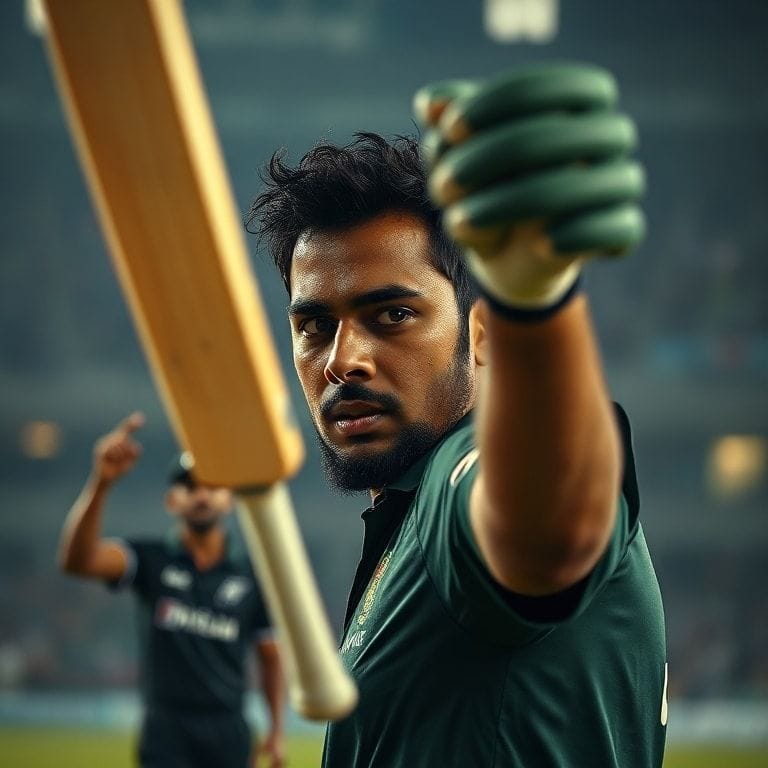
Babar Azam’s Triple-Format Commitment: A Strategic Masterstroke for Pakistan Cricket
Babar Azam’s Triple-Format Commitment: A Strategic Masterstroke for Pakistan Cricket
Babar Azam’s post-match interview after Peshawar Zalmi’s PSL 11 triumph turned into a bold declaration of his intent to keep playing Test, ODI and T20 cricket. The statement matters because it challenges the growing trend of specialists and signals how Pakistan’s premier batsman sees his role in the national setup.
The Stats Behind the Strategy
| Format | Matches Played (2023–24) | Runs Scored | Average | Strike Rate |
|---|---|---|---|---|
| Test | 7 | 558 | 44.5 | 51.2 |
| ODI | 12 | 684 | 57.0 | 86.4 |
| T20 (International) | 14 | 393 | 32.8 | 132.5 |
| PSL 11 | 11 | 588 | 58.8 | 149.3 |
The numbers tell a story. Babar’s average in Tests remains the highest among contemporary Pakistani openers, while his strike-rate in T20s has surged after embracing a more aggressive stance in the PSL. The spike to 149.3 in the league shows the blend of classical technique with T20 urgency – the exact blend he champions in his interview.
Strategically, Zalmi’s campaign revolved around letting Babar anchor the chase or set a platform, then unleash the power-hitters in the latter overs. In the final against Hyderabad Kingsmen, he opened with a measured 71 off 42 balls, rotating strike and ensuring the middle order faced a still-softening bowling attack. The decision to keep him at the crease for the first 15 overs reflected confidence in his ability to read the bounce at Gaddafi Stadium, where the pitch traditionally offers a blend of seam and low-bounce for spinners.
Gaddafi’s red-soil surface, notorious for holding a little extra bounce early on, suited Babar’s back-foot drive. He adjusted his footwork, playing the ball late, which allowed him to dominate the seamers while still leaving room for the slower bowlers on day two of the tournament. This adaptability is the hallmark of a player who spends half his calendar on five-day greens.
From a tactical angle, Pakistan’s coaching staff has been nudging Babar to keep the red-ball mindset in limited-overs practice. The logic is simple: a batsman comfortable with sitting at the crease for long periods can better pace an innings, rotating the strike when needed and accelerating when the field spreads. That philosophy echoed in the way he approached the PSL final – he didn’t rush; he built a foundation and then let the finishers fire.
The mental turnaround after the World Cup disappointment also shaped his game plan. Babar confessed to a ten-day break where he stripped his technique back to basics, focusing on the “natural swing” that had served him well on Pakistani pitches. During that period he worked with his childhood coach in Lahore, practicing on the backyard nets on the same compact surface that the PSL final would later use. The resulting confidence was evident in his footwork and shot selection.
Fans across Pakistan have taken the news of his triple-format commitment as a reassurance. In Karachi’s bustling tea stalls, conversations now revolve around Babar’s ability to “play the long innings” even in a 20-over game. The sentiment aligns with a broader hope that Pakistan will have a stable batting anchor across tours, rather than rotating captains and line-ups.
Looking ahead, the next challenges are the upcoming Test series against Sri Lanka and the Asian Games T20 schedule. If Babar continues to blend patience with aggression, his presence could steady the middle order in Tests while providing the consistency needed in high-pressure ODI chases. The coaches will likely lean on his experience to mentor younger players, especially those transitioning from domestic red-ball to the fast-paced international arena.
From a team-selection perspective, Pakistan’s board may feel less pressure to fast-track a specialist white-ball replacement. Instead, they can afford to plan a gradual succession, letting Babar’s form dictate the timeline. That flexibility could be crucial as the cricketing calendar becomes ever more congested.
In the end, Babar’s declaration is more than personal bravado; it’s a reflection of a cricketing philosophy rooted in the traditions of the game. By championing the skills honed on the red ball, he’s sending a signal that the foundation of Pakistani batting remains built on technique, temperament, and a willingness to face any format head-on.