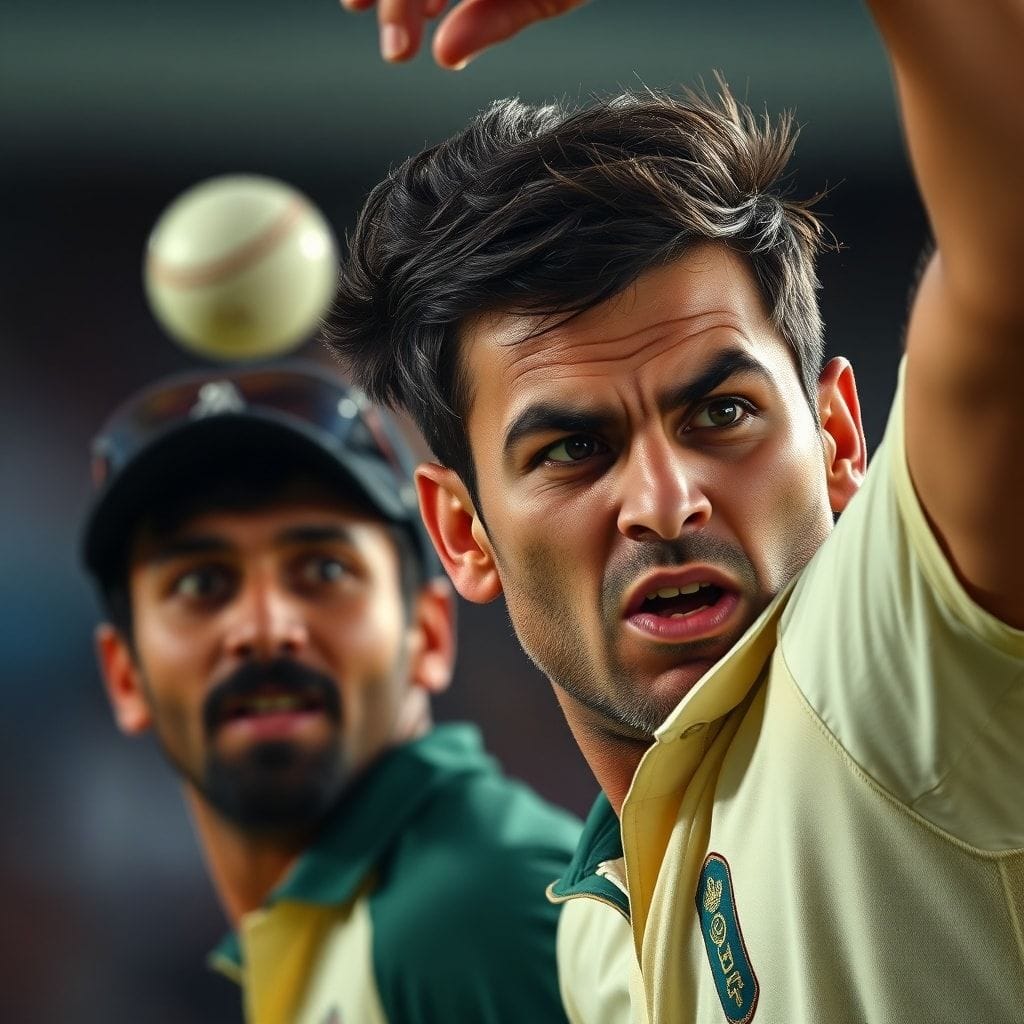
India vs Netherlands T20 World Cup 2026: Spin and Power Analysis
India vs Netherlands T20 World Cup 2026: Tactical Breakdown and Match Analysis
India’s clash with the Netherlands at Ahmedabad’s Narendra Modi Stadium turned into a masterclass of pressure cricket. A single over changing the momentum gave the hosts a comfortable win and reshaped the Super 8 picture.
The Stats Behind the Strategy
| Metric | India | Netherlands |
|---|---|---|
| Runs in Powerplay (0‑6 overs) | 44 | 38 |
| Runs after 15 overs | 120 | 68 |
| Wickets lost before 10th over | 2 | 2 |
| Economy of Varun Chakaravarthy (first spell) | 3.0 | — |
| Shivam Dube’s strike rate | 212.90 | — |
The table highlights how India’s scoring accelerated after the middle overs while the Dutch chase stalled. Chakaravarthy’s three‑run over with a wicket trimmed the Dutch top partnership at a crucial juncture, and Dube’s 66 off 31 balls inflated the total beyond 190.
Tactical Moves That Shifted the Game
India’s captain opened with a conventional plan: let the powerplay set a foundation, then unleash the big hitters once the overs ran down. When Suryakumar Yadav fell early, the team faced a potential slowdown. The turning point was the decision to bring Varun Chakaravarthy, a wrist‑spin specialist, into the attack at the start of the sixth over.
Chakaravarthy’s role was clear – use his googly to break the opening stand and create panic in the Dutch lower middle order. The ball he bowled to Max O’Dowd skidded off the hard surface, clipped the pad‑gap and uprooted the leg stump. The dismissal not only removed the aggressive opener but also sent a visual message: the pitch would reward spin that turns sharply and bites low.
After the wicket, India shifted the batting order. With the top‑order not firing, they promoted Shivam Dube to the crease. Dube’s power hitting was a calculated risk – his ability to clear the boundary on the up‑and‑down bounce of the Ahmedabad pitch makes him a perfect death‑overs weapon.
- He attacked the slower balls from Logan van Beek, targeting the straight fences where the outfield is fastest.
- His partnership with Hardik Pandya, who rotated the strike and found gaps, turned a 110/4 into a 186/5.
The Dutch bowler’s plan of mixing pace with a few off‑spinners fell flat once Dube got into a rhythm. Their inability to vary length on a surface that offers low bounce allowed the Indian batters to dominate the final ten overs.
Player Mindsets and Venue Influence
Ahmedabad’s ground is known for a dry, cracked top‑soil that offers turn for spinners after the 10th over. Varun, a native of Chennai, grew up on similar pitches and knows how to make the ball bite on the fourth bounce. His mind‑set was to be aggressive from the first delivery – a mental cue that paid off against O’Dowd.
Max O’Dowd, a left‑hander who thrives on short‑length delivery, mis‑read the length because the ball behaved like a cutter rather than a typical leg‑spin. The leg stump removal was as much a psychological blow as a physical one.
Shivam Dube, a power‑hitter from Punjab, has a reputation for playing big shots on hard surfaces. He visualized the ball staying low, the outfield racing, and hit with a full‑swing mindset that suited the stadium’s fast‑grass outfield. His approach was unapologetically aggressive – a choice that paid with a 66‑run blitz.
How This Affects the Super 8s Race
India’s 193‑run total places them at the top of Group A, while the Netherlands now need a massive win in their next game to stay alive. The win boosted India’s net run rate, a critical factor if teams finish on equal points. For the Dutch, the loss forces a rethink of their batting approach – perhaps promoting more power hitters earlier.
The next fixtures see India face Sri Lanka, a side that prefers spin‑friendly conditions. If India can replicate the same spin dominance, they’ll look formidable. The Dutch will meet Pakistan, a clash that could resurrect their campaign if they handle pace well.
Fans’ Take and Ground‑Level Opinions
On social platforms, Indian fans celebrated Dube’s fireworks, posting videos of his sixes with captions like “Dube is the new slugger.” The wicket of O’Dowd sparked a flood of memes showing the leg stump flying off, highlighting how a single moment can dominate an entire conversation.
In the stands, the crowd’s reaction to the wicket was a mixture of stunned silence and eruptions of applause. The Dutch supporters, though outnumbered, gave O’Dowd a respectful cheer for the effort he showed before the ball struck.
- Fans praised Chakaravarthy’s composure, calling him the “X‑factor” for the tournament.
- Critics pointed out the top‑order’s failure to get starts and urged the team to balance aggression with stability.
the match reinforced a simple truth for T20 fans: a single over can rewrite a story, and the blend of spin wizardry with raw power hitting is the formula that wins tournaments in this era.
Cricket Desk: Want more on Associate cricket strategy? Check out our Associate cricket strategy Latest News & Stats.