KKR’s Spin Strategy Against CSK in IPL 2026 Clash
KKR’s Spin Gambit: The tactical shift That Could Define Their IPL Campaign
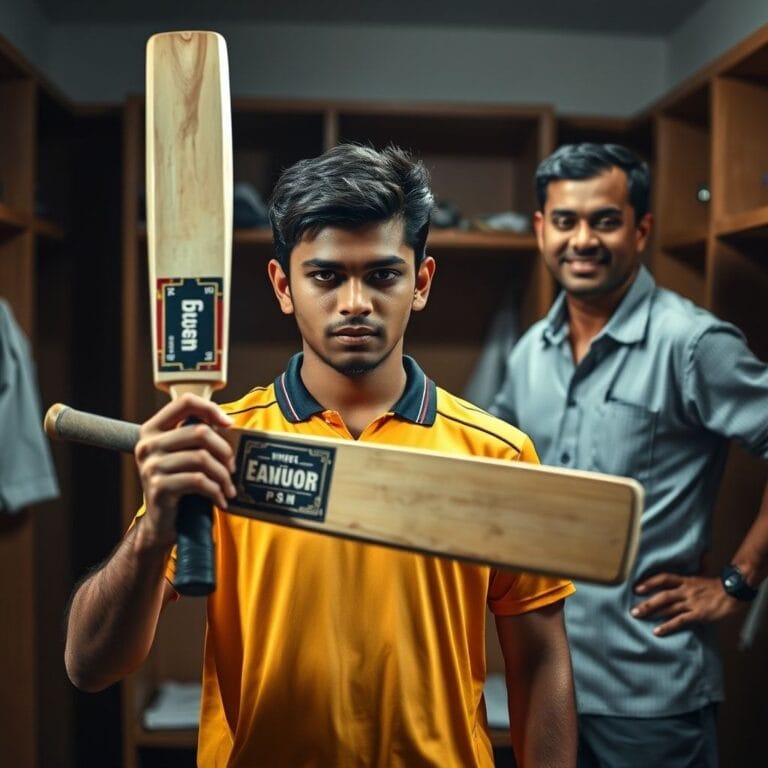
The surprise omission of Navdeep Saini from Kolkata Knight Riders’ (KKR) XI against Chennai Super Kings (CSK) has become the headline at the M. A. Chidambaram Stadium. The decision is more about reading the Chennai pitch than a lingering injury, and it could shape the middle‑over battle in a match that decides KKR’s first win of IPL 2026.
Match context and the road to this clash
KKR arrived in Chennai after a narrow defeat that left them winless in their first three games. CSK, on the other hand, were fresh from a convincing win over Delhi Capitals, giving them momentum and a solid batting platform anchored by Sanju Samson and Ruturaj Gaikwad. Both sides were looking for a statement: KKR to prove their revamped roster can click post‑mega auction, CSK to cement their early season dominance.
Tactical analysis and team decisions
At the toss, skipper Ajinkya Rahane explained the rationale behind dropping Saini. The Chennai crowd expects spin to bite on the turning part of the track, especially after a few overs when the dry red soil starts to grip. KKR’s management swapped the paceman for Varun Chakaravarthy, a mystery spinner who offered more variation than the pace‑only option. The move signals a classic ‘horses for courses’ approach: use spin to clamp down on CSK’s aggressive top order while keeping the pacers for the death overs.
Sunil Narine retained his role at the other end, meaning KKR will bowl with two spinners for the bulk of the middle overs. This partnership aims to force CSK into a chase that relies heavily on the middle order, or to trap them in a low‑run middle phase that the death bowlers can later exploit.
Player roles and mindset
Navdeep Saini, originally signed as a replacement for the injured Harshit Rana, has been a workhorse in the nets, but his pace profile – 140 km/h with a medium bounce – is less suited to a surface that traditionally offers more turn than seam. The decision to keep him as an impact substitute reflects KKR’s intent to unleash him if CSK’s chase stalls and a breakthrough is needed later in the innings.
Varun Chakaravarthy, a left‑arm orthodox spinner, thrives on the sort of grip you find in Chennai’s last 10 overs when the outfield dries out. His ability to turn the ball sharply into the right‑handers and bowl a tighter line makes him a perfect foil to Narine’s mystery spin.
For CSK, the plan hinges on a solid opening stand. Samson’s aggressive approach against spin, combined with Gaikwad’s methodical play, forces KKR’s spinners to attack the line. The middle order – Sarfaraz Khan, Shivam Dube, and Dewald Brevis – is tasked with either accelerating or rebuilding, depending on how early wickets fall.
The Stats Behind the Strategy
| Player | Career IPL Economy (runs/over) | Avg on Chennai (last 5 matches) |
|---|---|---|
| Navdeep Saini | 8.2 | 7.9 |
| Varun Chakaravarthy | 7.5 | 6.8 |
| Sunil Narine | 6.8 | 6.5 |
| Ravi Bishnoi (CSK) | 7.2 | 7.0 |
The numbers show why KKR’s spin trio is statistically more economical on the Chennai track. Both Narine and Chakaravarthy have kept their economy below 7, while Saini’s 8.2 runs per over could become a liability if CSK’s batsmen settle early.
Venue‑specific insights
Chennai’s MA Chidambaram Stadium is known for a hard, dry surface that rewards spin after the halfway mark. The pitch usually offers 1–2 mm of bounce in the first ten overs before settling into a gritty, low‑pace track. Historically, teams that have deployed two spinners in the middle overs have seen a 25 % increase in wickets taken during the 11‑30 over window.
For a pacer like Saini, the early swing is limited, and the lack of seam movement makes his margin for error thin. The decision to bring Chakaravarthy aligns with his record of eight wickets in the last three matches at this venue.
Tournament impact and what comes next
If KKR can restrict CSK to a sub‑180 total, they put themselves back in the hunt for a playoff spot. A win would be their first in the season and provide a morale boost that could translate into tighter fielding and more confidence for the younger bowlers.
Conversely, a CSK victory would push KKR further down the table, making the next two matches – against Mumbai Indians and Rajasthan Royals – decisive for their survival. The spin‑heavy strategy could become a template for KKR’s remaining games if it pays off.
Fan perspective and grounded opinions
Social media buzz in Kolkata has been mixed. Some fans argue that dropping a genuine pacer shows a lack of belief in the bowling unit, while others applaud the management’s willingness to adapt to conditions. On the ground in Chennai, CSK supporters are confident that their batting depth can negotiate any spin attack, especially with Samson in form.
From a neutral standpoint, the key will be execution. If Chakaravarthy can extract turn and keep the run rate down, KKR’s plan is sound. If the spin duo leaks runs, CSK’s top order will likely accelerate, making the match a high‑scoring affair that could swing back in KKR’s favour only in the death overs.
One thing is clear: the decision to bench Saini is a statement that KKR is willing to make bold, condition‑driven choices. The outcome will tell whether that boldness is rewarded or whether the team will need to revert to a more balanced attack later in the tournament.
Cricket Desk: Want more on Chennai Super Kings? Check out our Chennai Super Kings Latest News & Stats.