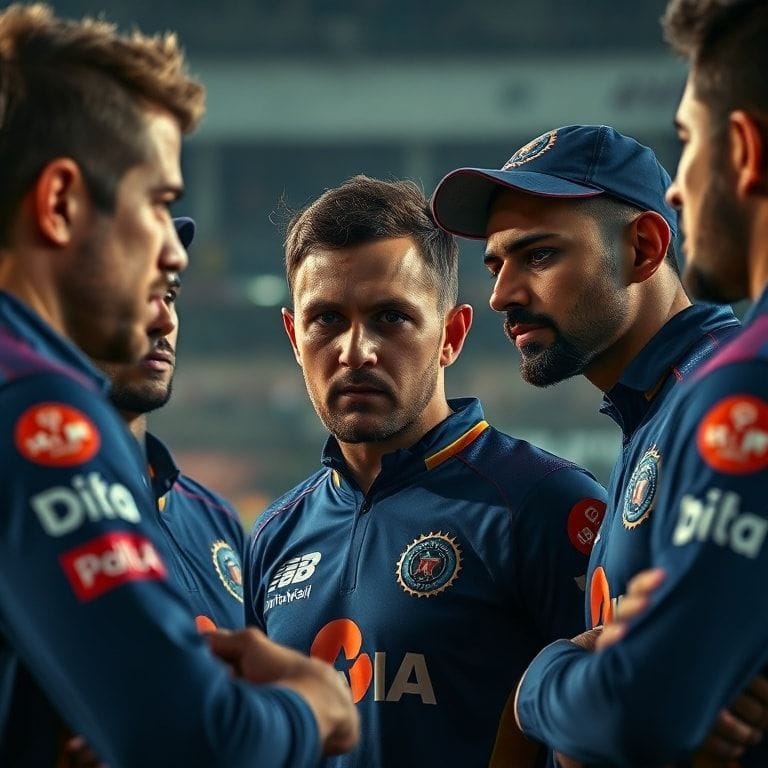
Mumbai Indians’ Bowling Crisis: Stats and Solutions
Mumbai Indians’ Bowling Woes: Tactical Breakdown and Path Forward
Shaun Pollock’s recent interview has put the spotlight on Mumbai Indians’ under‑performing senior bowlers. As the franchise teeters near the bottom of the table, his critique forces fans and analysts to rethink why the 2026 campaign has stalled.
MI entered the season with a blend of experience and firepower, expecting their bowling trio to dominate the powerplay and seal matches at the death. Instead, injuries, a loss of confidence and selection muddles have turned those bowlers into liabilities. The following analysis digs into the tactical decisions, the mental state of key players and what the team must do to keep playoff hopes alive.
The Stats Behind the Strategy
| Player | Wankhede (Powerplay) | Wankhede (Death) | Overall Econ | Wickets |
|---|---|---|---|---|
| Trent Boult | 2/45 (10 overs) | 1/38 (4 overs) | 6.3 | 6 |
| Shardul Thakur | 0/52 (8 overs) | 2/47 (4 overs) | 7.0 | 5 |
| Deepak Chahar | 1/44 (10 overs) | 0/55 (4 overs) | 6.9 | 4 |
The numbers tell a clear story. All three veterans have an economy above six in the powerplay at the Wankhede, a ground where the pitch usually offers a bit of pace and low‑bounce for seamers. Their death‑over figures are even more troubling, with Boult and Chahar conceding almost ten runs per over in the final phase.
Why the Bowling Core Falters
Two factors dominate the picture. First, the Wankhede’s red soil favours a short‑run approach, making the ball swing less than at venues like Mohali. Boult, who thrives on lateral movement, has struggled to generate the early nip his New Zealand side used to rely on. Second, the squad’s rotation policy has prevented any one bowler from finding rhythm. With Keshav Maharaj added after Santner’s injury and Bumrah shuffled between new‑ball and death spells, the rhythm of the attack has been broken.
Hardik Pandya’s captaincy decisions also add pressure. He often hands the new ball to Bumrah, hoping to replicate the Gujarat Titans knockout where Bumrah’s first delivery took the wicket of a set batsman. While that worked once, the crowd‑average batting line‑up of CSK and GT now adjusts quickly, forcing Hardik to experiment with part‑timers in the crucial middle overs.
Player Mindset and Role Shifts
Trent Boult enters the tournament carrying the weight of expectation as MI’s overseas spearhead. The loss of his early swing has dented his confidence; each dot ball feels like a missed opportunity, and the pressure to bowl at the death makes him over‑think his length.
Shardul Thakur, usually the change‑up bowler with variations, has been forced into a containment role. The Wankhede’s slower outfield reduces the impact of his slower balls, and his mix of seam and off‑spin has failed to produce wickets. The mental shift from attacking to merely surviving creates a loop of low morale.
Deepak Chahar, who once dominated with swing in Mumbai’s home ground, now battles a loss of grip on the new‑ball seam. The combination of a cracked seam and the pitch’s low bounce eliminates the late‑swing he used to extract. The result is a bowler who can no longer trust his own stock deliveries.
How the Batting Unit Can Counterbalance
Rohit Sharma’s hamstring blow removed the proven top‑order anchor from three games. The team’s temporary Impact Player slot, now likely to be used for Rohit’s return, could provide the stability needed to guide the chase. When Rohit is set, the middle order – Suryakumar, Ishan Kishan and Hardik – can play with less pressure.
Jasprit Bumrah, traditionally a death‑over specialist, appears ready to reprise his new‑ball duties. The data from the Gujarat Titans match suggests that a fresh‑ball spell at the start could give MI an early edge, especially if the wickets are kept short and the ball is kept shiny.
Tournament Impact and the Road Ahead
With two wins from seven fixtures, MI sits at the bottom of Group A. A single defeat now could effectively end their playoff hopes. The upcoming clash against Sunrisers Hyderabad becomes a must‑win, not just for points but for morale.
If MI manages to get the bowling core back on track, the momentum shift could be dramatic. A tighter powerplay would ease the run‑rate pressure on the middle order, allowing them to build innings without a frantic chase. Conversely, continued leakage in the first ten overs will force the batsmen into a high‑risk game plan that seldom works in the IPL.
The final three matches will decide whether MI can salvage a respectable finish or become a cautionary tale of over‑reliance on reputation. The coaching staff must simplify roles, giving each bowler a clear, defined slot, and let the senior batsmen settle the chase.
Fan Perspective and Grounded Opinions
Supporters in Mumbai are restless. The chants that once filled the Wankhede are now muted, replaced by chatter on social media about “too many options, too few results.” Many fans argue that the franchise’s strength – its deep bench – has turned into a curse, producing indecision each time a bowler is left out.
The sentiment is clear: the team must stop over‑thinking and let its first‑choice bowlers own their phases. Fans also want to see Hardik Pandya back with a clear role – either as a genuine all‑rounder who can finish games or as a captain who trusts his specialists.
the consensus is that MI still has the talent to turn the tide, but the window is closing fast. A decisive win, a return of Rohit, and a re‑aligned bowling strategy could rewrite the narrative before the tournament ends.
Cricket Desk: Want more on Hardik Pandya? Check out our Hardik Pandya Latest News & Stats.