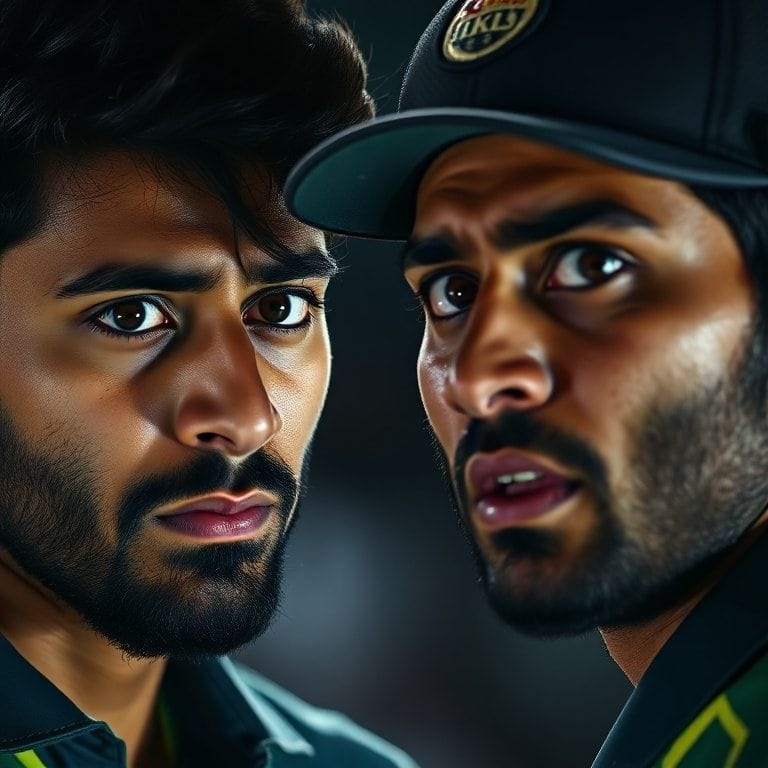
Delhi Capitals vs Punjab Kings: How a Dropped Catch Shaped the IPL Clash
The Meme That Changed the Game: Delhi Capitals vs Punjab Kings
The Delhi Capitals‑Punjab Kings clash at Arun Jaitley Stadium turned into a meme‑fuelled saga after a dropped catch changed the early rhythm of the game. A single fielding lapse sparked a wave of online jokes, but the incident also exposed deeper tactical choices that could shape the rest of the IPL season.
What the day meant for the two sides
Delhi entered the match sitting sixth, desperate for a win to climb back into the playoff conversation. Punjab, unbeaten and perched at the summit, regarded the encounter as a chance to cement their dominance on home soil. The toss offered a classic dilemma – chase a target or set one – and Capitals elected to bat, trusting the flat Delhi surface to reward aggression.
Opening pair Pathum Nissanka and KL Rahul were earmarked to capitalize on the short boundaries and low bounce typical of the venue. Nissanka’s early dismissal for 11 seemed a setback, yet the partnership between Rahul and Nitish Rana surged, peaking at 105/1 after ten overs. The Capitals’ strategy hinged on a long‑lasting opening stand to tire the Punjab bowlers, a plan that began to pay off before the fateful drop.
The fielding hiccup that stole the headlines
In the third over, Arshdeep Singh’s well‑planned length ball forced Rahul into a textbook pull shot, sending the ball arcing toward deep‑square‑leg. Shashank Singh, stationed at the spot, attempted a reverse‑cupped grab but his fingers slipped, allowing the ball to roll to the boundary. The moment flipped the narrative – what could have been a wicket turned into a viral meme, with fans dubbing it a “slip between the cup and the lip”.
Beyond the humor, the dropped catch highlighted Delhi’s fielding frailties under pressure. Punjab’s bowlers, particularly the younger Xavier Bartlett and Vijaykumar Vyshak, were already leaking runs at double‑digit economies. The escape gave them a fleeting psychological lift, but the damage to Delhi’s morale was evident as Rahul, shaken, continued fearing another chance.
The Stats Behind the Strategy
| Player | Runs (Balls) | Strike Rate | Economy | Key Venue Insight |
|---|---|---|---|---|
| KL Rahul | 67 (45) | 149.0 | – | Thrives on low‑bounce pitches, uses late‑inside cuts |
| Nitish Rana | 38 (28) | 135.7 | – | Comfortable on slower surfaces, rotates strike well |
| Arshdeep Singh (Bowling) | – | – | 9.8 | Effective length on the hard Delhi wicket, exploits seam movement |
| Xavier Bartlett (Bowling) | – | – | 12.0 | Struggles on flat tracks, limited variation |
Statistically, Delhi’s powerplay run rate of 10.5 per over dwarfed Punjab’s best bowlers, confirming the Capitals’ decision to bat first. The drop reduced the expected wickets in the first ten overs from 2.3 to 1.1, a swing that translated into roughly 20 extra runs according to standard DLS‑style projections.
Player‑Venue Connections
Arun Jaitley Stadium, with its compact boundaries and a pitch that stays low through the first 15 overs, fits Rahul’s game perfectly. His ability to flick the ball off the leg side at a comfortable height makes him a constant threat. Conversely, Shashank Singh, a finger‑pointing fielder from the northern circuit, often struggles on the same surface where the ball stays close to the ground, reducing his reaction window.
Punjab’s pacers, especially Arshdeep, have a history of extracting seam on the Delhi surface – a legacy from earlier seasons where the ball seams early and then settles. Bartlett’s lack of swing on this ground explains his inflated economy, while Vyshak leaned on slower deliveries, hoping the pitch would grip later.
How the incident shaped the rest of the game
After the drop, Punjab attempted a short‑term surge, with Chahal taking a wicket at the 12‑over mark, but Delhi’s middle order steadied. Rana’s quick singles and occasional boundaries helped steady the flow, while Rahul’s aggressive drive over long on cleared the ropes twice. The Capitals posted a competitive total of 173/5.
Punjab’s chase began confidently, but the early loss of wickets and the mental echo of the missed opportunity kept them on the back foot. The drop became a talking point in the dugout, with captain Shikhar Dhawan reminding his bowlers to stay focused on the present rather than the meme trail.
Impact on the IPL narrative
For Delhi, the win nudged them to fifth place, keeping the playoff hopes alive and providing a morale boost after a series of narrow defeats. Punjab, still unbeaten, now faces a stern test to maintain momentum, especially as their fielding unit grapples with the spotlight surrounding the error.
Fans, ever quick with a meme, turned the incident into a cultural moment, flooding X with jokes, GIFs, and retrospective clips. While the humor lightens the mood, it also underscores the pressure on IPL players – a single slip can dominate headlines and affect confidence.
What comes next
Delhi’s next fixture pits them against a middle‑table side that favors spin, forcing coach Ricky Ponting to reconsider his pace‑heavy plan. The Capitals may look to tighten their fielding drills, especially in the deep regions, to avoid a repeat of the Shashank moment.
Punjab, eyeing the final league round, will likely reinforce their fielding standards under coach Anil Kumble, who is known for demanding perfection. The Kings will also need to manage the mental fatigue of being the target of memes while fighting for another flawless record.
the Delhi‑Punjab episode reminds every franchise that cricket is as much about moments off the bat as it is about runs. A dropped catch can become a talking point for days, influencing team morale, fan sentiment, and ultimately, the standings.
Cricket Desk: Want more on 2026 IPL? Check out our 2026 IPL Latest News & Stats.